
The historic manufacturing plant of Euroquímica in Zaragoza, widely recognized for producing the iconic Lagarto soap, is set to close after 55 years of continuous operation. The shutdown of the facility in the Malpica industrial estate will result in the loss of approximately 40 jobs, as the company consolidates its production operations to its headquarters in Toledo, according to reports from the Heraldo de Aragón. This decision marks the end of an era for industrial production in the region, affecting a workforce that has been central to the brand’s legacy since the 1960s.
The closure, confirmed by company management, follows a strategic shift to centralize manufacturing processes to improve logistical efficiency. While the Lagarto brand remains a staple in Spanish households, the physical footprint in Zaragoza is no longer deemed sustainable by the parent company. Employees affected by the closure have entered into negotiations regarding severance packages and potential relocation support, as the transition to the Toledo facility moves forward.
Industrial Consolidation at Euroquímica
The decision to cease operations at the Malpica site is part of a broader corporate restructuring. Euroquímica, which acquired the historic Lagarto brand in the early 2000s, has maintained the Zaragoza plant as a primary production hub for decades. However, the company recently informed the workers’ committee that the aging infrastructure of the site and the need for a unified production line necessitated the move to their main plant in Toledo, as noted by Europa Press. The consolidation aims to streamline supply chain management and reduce operational overhead, a common trend in the current European manufacturing sector as firms face rising energy and logistics costs.
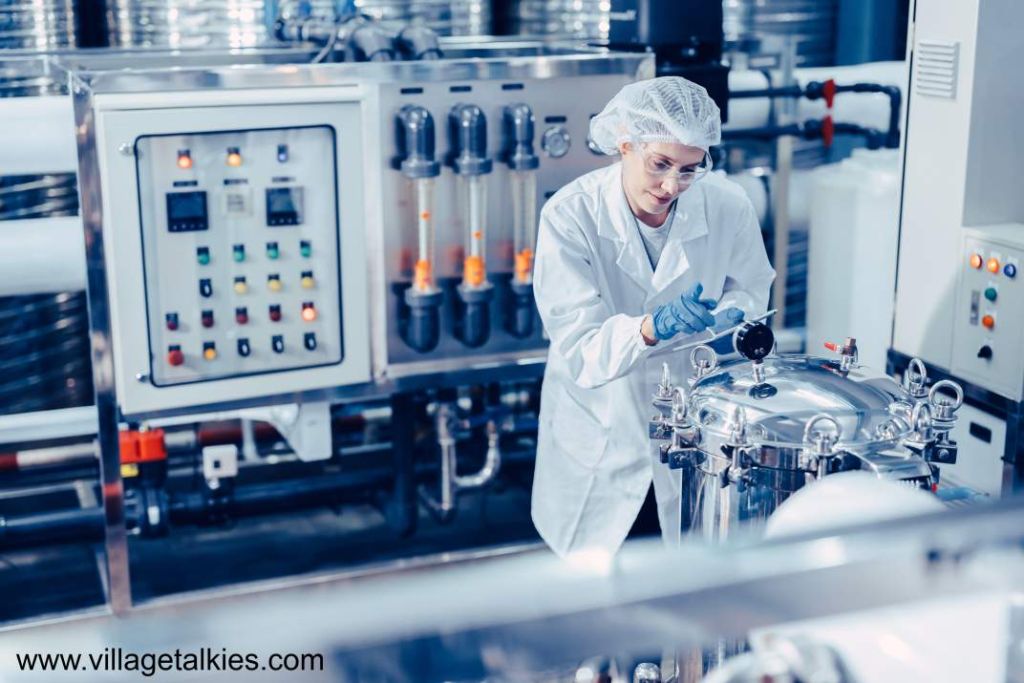
For the 40 employees impacted, the announcement comes after years of service. Local labor representatives have emphasized that the priority remains the fair treatment of the staff, many of whom have spent the majority of their professional careers at the factory. The company has expressed that the move is purely a business decision, intended to ensure the long-term viability of the brand in an increasingly competitive market for household cleaning products.
The Legacy of Lagarto Soap
Lagarto soap occupies a unique position in Spanish industrial history. Originally established in the early 20th century, the brand became a household name due to its traditional composition and longevity. The Zaragoza factory served as a key production point for these products for over half a century, becoming synonymous with the city’s industrial identity. The brand’s survival through various economic cycles has often been cited as a case study in brand loyalty and product recognition.

Despite the closure of the physical plant, the brand itself is expected to continue operations under the Euroquímica umbrella. The shift to the Toledo facility is intended to maintain the same chemical standards and production methods that have defined the soap for generations. Consumers should not expect a change in product availability, as the transition is designed to be seamless from a retail perspective.
What Happens Next for the Workforce
The immediate future for the affected employees involves a structured negotiation phase. Under Spanish labor law, collective dismissals or site closures of this nature require a formal consultation period between the company and workers’ representatives to define the terms of departure, including compensation and potential re-employment opportunities elsewhere within the firm, according to the Statute of Workers. This process is monitored to ensure compliance with national employment regulations.
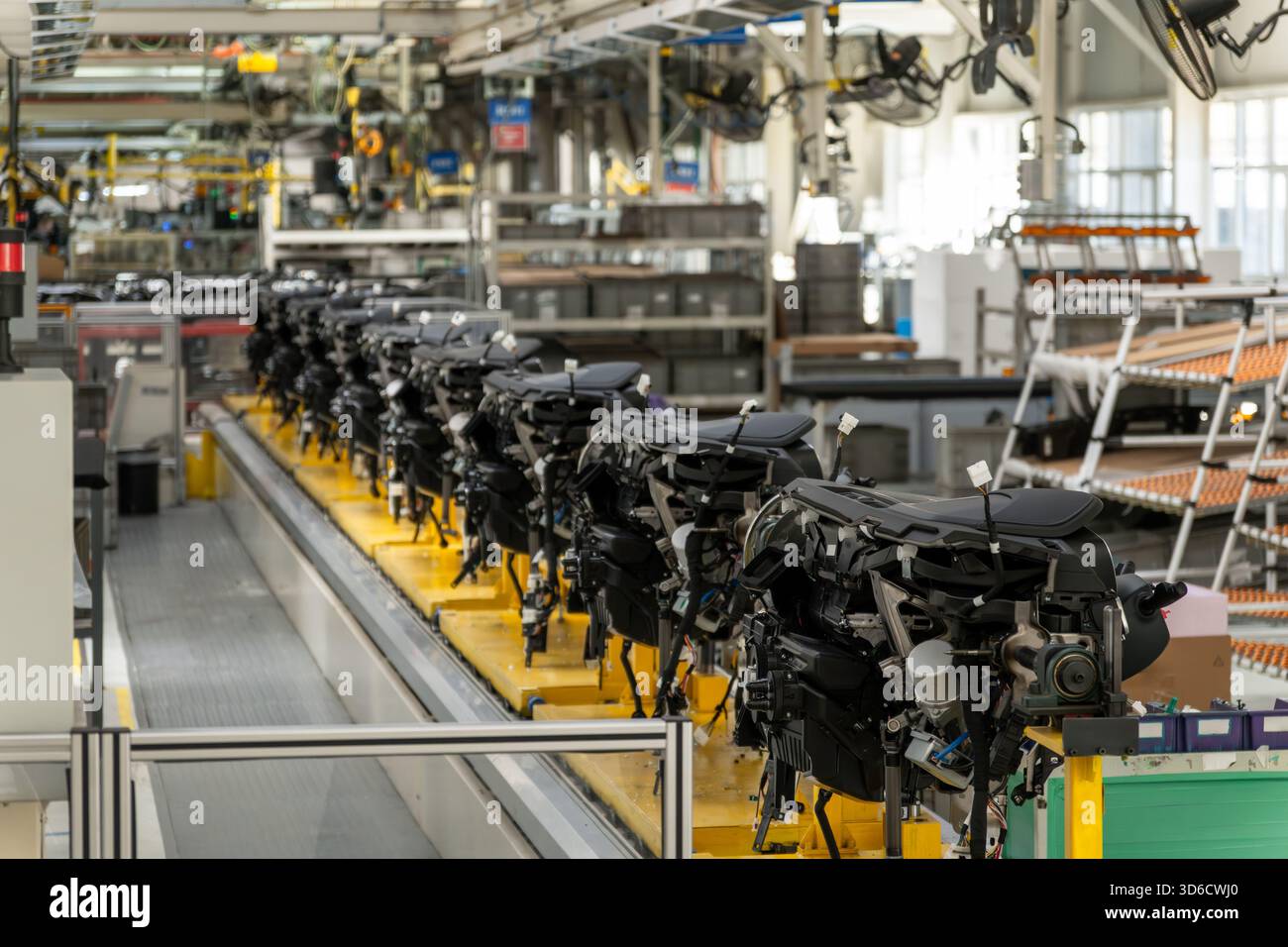
As the machinery is dismantled and the site is prepared for decommissioning, the local community in Zaragoza is reflecting on the loss of a significant industrial landmark. While the brand persists, the transition represents a tangible shift in the local economic landscape. Further updates regarding the final date of production and the completion of the labor negotiations are expected in the coming months as the company files the necessary documentation with the regional labor authorities.
We invite readers to share their thoughts on the evolution of traditional manufacturing in the region. How do you view the impact of industrial consolidation on local communities? Please leave your comments below.
Worth a look