
China’s transition toward a consumption-led economic model faces renewed scrutiny as official data indicates a contraction in key growth indicators for the first time since 2022. Recent figures from the National Bureau of Statistics of China show that domestic demand remains fragile, complicating Beijing’s long-term strategy to pivot away from its traditional reliance on infrastructure investment and property development.
The shift toward consumption, a pillar of President Xi Jinping’s “dual circulation” economic policy, is intended to insulate the world’s second-largest economy from external trade shocks. However, persistent deflationary pressures and cautious consumer sentiment have stalled the momentum needed to reach the government’s official annual growth target of approximately 5%. According to data tracked by the National Bureau of Statistics, the cooling of retail sales and industrial output during the second quarter has prompted international financial institutions to revise their forecasts for the remainder of the year.
Understanding the Shift in Consumer Sentiment
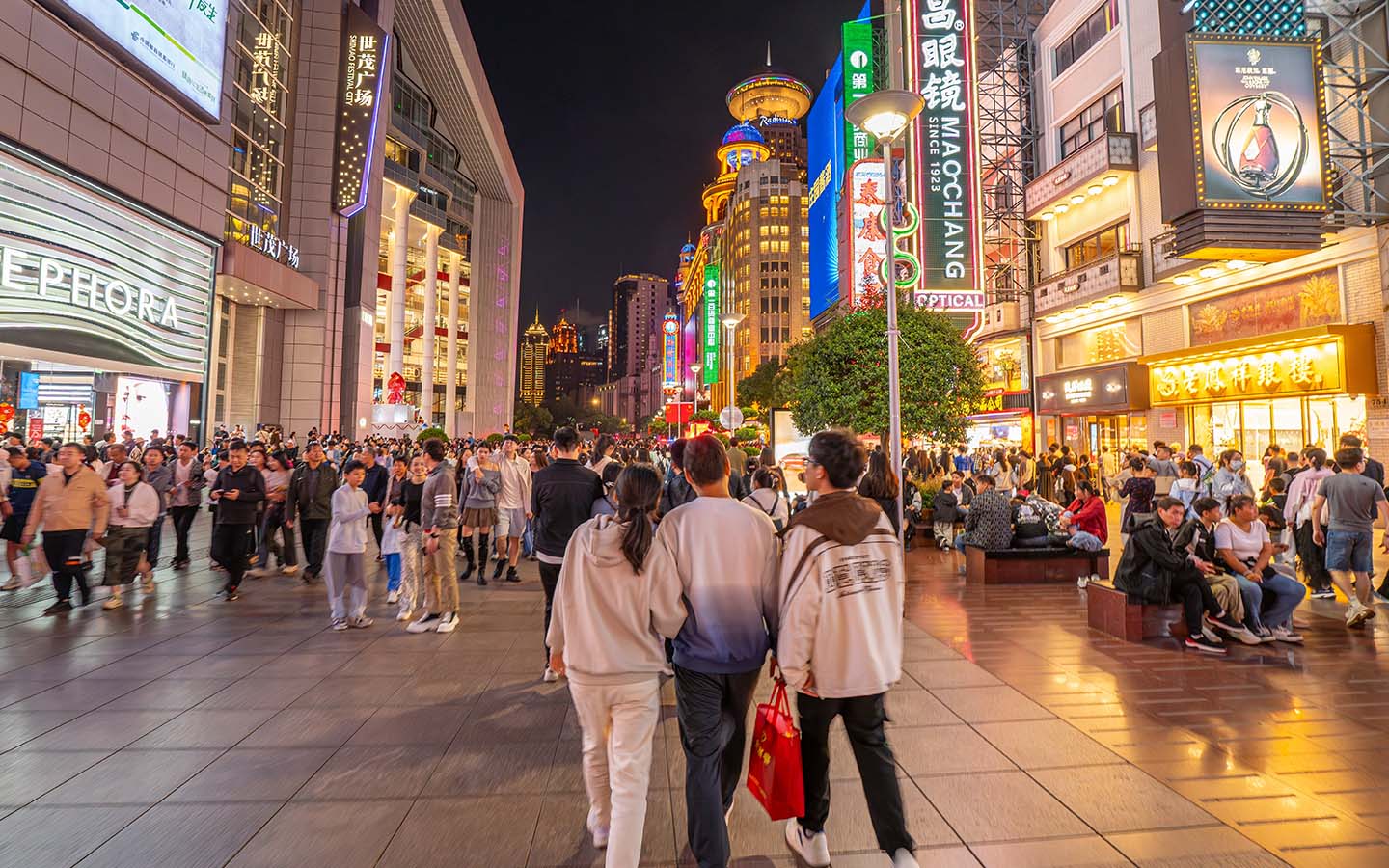
The primary hurdle for China’s economic transition is the stagnation of household spending. Despite efforts by the People’s Bank of China to lower interest rates and provide liquidity to the banking sector, households have largely prioritized debt repayment and savings over discretionary spending. This behavior is largely driven by a protracted property market downturn, which has eroded household wealth for millions of Chinese citizens who hold the majority of their assets in real estate.
As reported by the International Monetary Fund, the lack of a robust social safety net continues to act as a structural barrier to consumption. Without significant fiscal reform aimed at increasing household income and expanding public services, analysts suggest that confidence is unlikely to recover in the near term. The government’s recent focus has been on “high-quality growth,” but the transition period is proving more volatile than central planners anticipated during the post-pandemic reopening.
The Role of External Trade and Industrial Policy
While domestic consumption falters, China has leaned heavily on its manufacturing sector to drive exports, particularly in green technology, electric vehicles, and semiconductors. This strategy has sparked trade tensions with the European Union and the United States, as Western nations raise concerns over state subsidies leading to an oversupply of Chinese goods in global markets. The World Trade Organization has noted that these imbalances are central to ongoing discussions regarding global trade stability and fair competition standards.
The reliance on exports as a primary engine for growth stands in direct opposition to the goal of boosting domestic demand. By focusing on manufacturing output to maintain employment levels, Beijing risks intensifying industrial overcapacity. Economists at the World Bank have argued that the current policy mix creates a “middle-income trap” risk, where the economy struggles to transition to a consumer-driven model while simultaneously competing with advanced economies on high-tech manufacturing.
What Happens Next for the Chinese Economy
Market attention is now directed toward the upcoming Third Plenum of the 20th Central Committee, a major political event where the Communist Party is expected to outline its medium-term economic agenda. Investors are looking for concrete signals regarding fiscal stimulus, tax reforms, and potential measures to stabilize the real estate sector. Historically, these plenary sessions serve as the primary venue for announcing significant shifts in national economic policy.
The next official update on China’s gross domestic product and retail sales data is scheduled for release in mid-July. Financial analysts will be monitoring these figures to determine if the government will implement more aggressive fiscal measures to support the consumption transition. For now, the economic outlook remains cautious, with the global market awaiting clarity on whether Beijing can successfully balance its industrial ambitions with the necessity of a healthier, consumption-based domestic economy.
What are your thoughts on China’s economic trajectory? Share your perspective in the comments below or join the conversation on our social media channels.
Worth a look