
A recent dispute has emerged between former U.S. President Donald Trump and Italian Prime Minister Giorgia Meloni regarding the origins of a photograph taken during a bilateral meeting. The disagreement centers on whether the Italian leader requested a photo opportunity with Trump, a claim the Prime Minister’s office has categorically denied. This exchange highlights the intersection of international diplomatic protocol and the personal narratives often employed in high-stakes political communication.
The controversy gained public attention following comments attributed to Donald Trump, who suggested that the request for the photograph originated from the Italian side. According to reporting from Reuters and other international news agencies, representatives for Prime Minister Meloni have rejected this characterization, emphasizing that Italy does not seek out such interactions in the manner described. The incident underscores the differing perspectives often held by political figures when describing informal encounters on the global stage.
The Origins of the Diplomatic Disagreement
The core of the issue involves a specific moment of interaction between the two leaders, which was captured in a widely circulated image. While such photographic records are standard in international diplomacy, the narrative surrounding how the photo was arranged became a point of contention. Prime Minister Meloni’s administration has characterized the suggestion that she “begged” or actively lobbied for the photograph as inaccurate, maintaining that her government’s approach to international relations is grounded in professional standard practices.
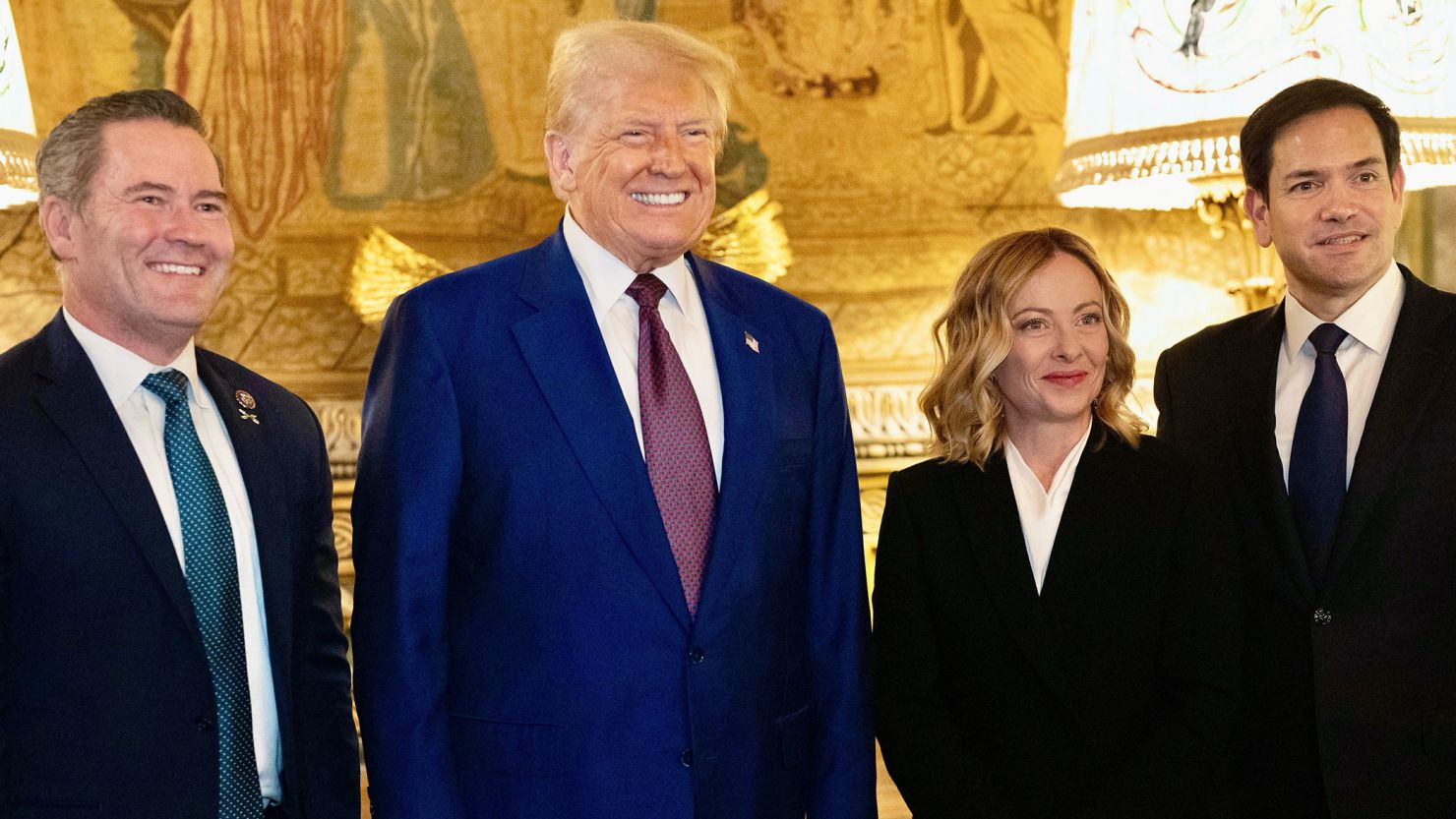
Donald Trump, speaking in recent media appearances, maintained his version of events, suggesting that the dynamics of the meeting were different from those portrayed by the Italian government. Such disputes over the “narrative” of a meeting are relatively rare between established heads of state, yet they illustrate the sensitivity surrounding public perception during election cycles and political campaigns. The U.S. Department of State typically manages bilateral protocols through formal channels, though informal meetings between political figures often fall outside these rigid structures.
Understanding Diplomatic Protocol and Public Perception
In the context of international relations, the “photo op” serves as a tool for projecting alignment or mutual respect between leaders. When a dispute arises over the genesis of such an image, it often signals a divergence in how each party intends to use the meeting for their own domestic political messaging. For Prime Minister Meloni, asserting that Italy does not “beg” for such attention serves to reinforce her image as a leader of a sovereign and dignified nation, a core component of her political brand, which is closely aligned with the Italian Council of Ministers‘ official stance on national sovereignty.
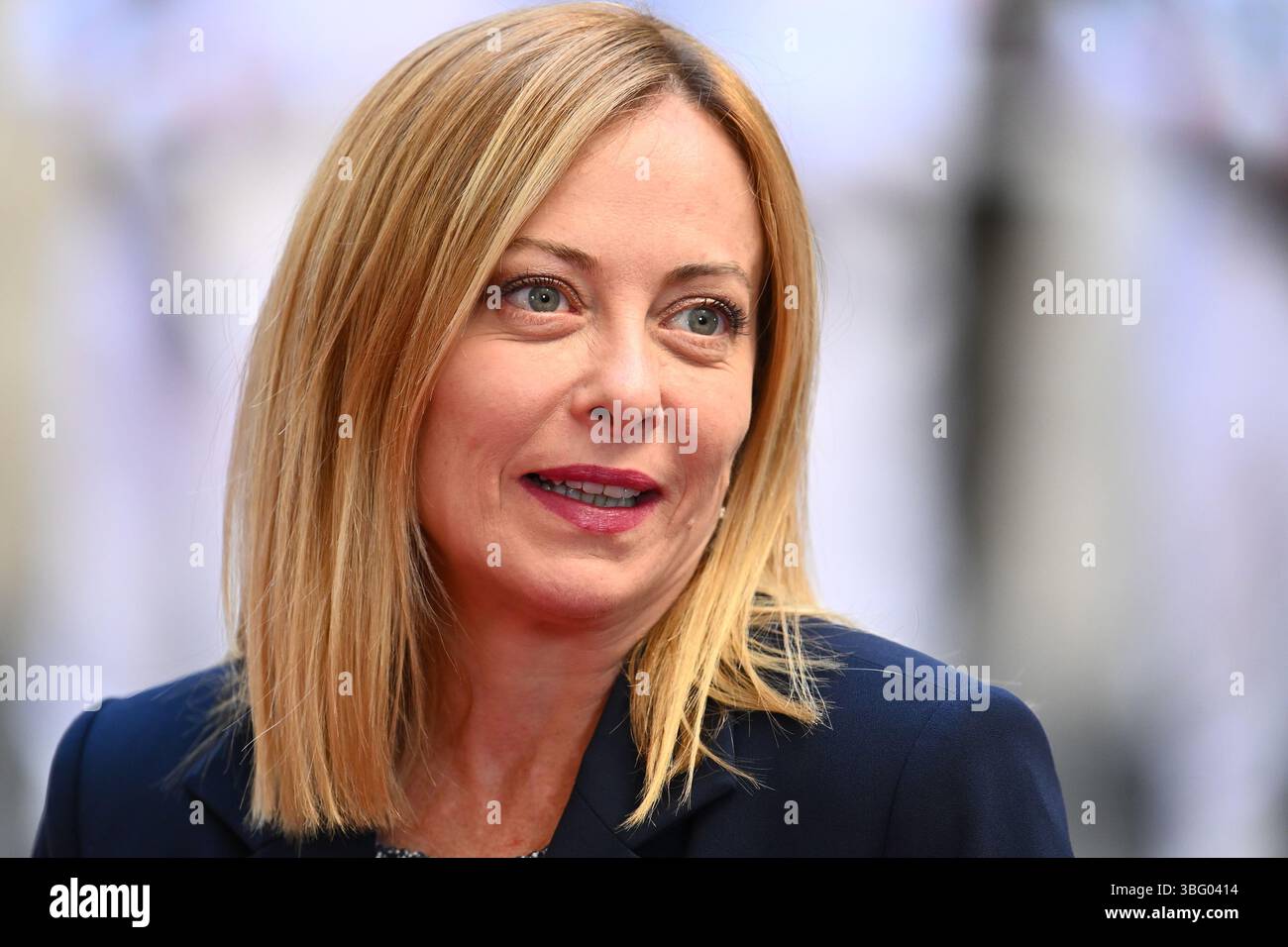
Conversely, the former president’s rhetoric often emphasizes his personal appeal and the perceived desire of global leaders to be associated with him. This clash of narratives is not necessarily a reflection of a policy breakdown between Rome and Washington, but rather a demonstration of how personal branding can conflict with traditional diplomatic decorum. Observers note that such exchanges rarely have long-term impacts on the institutional relationship between the two countries, which remains underpinned by shared security interests and trade ties.
Why Narrative Control Matters in Global Affairs
The significance of this dispute lies in the way it is framed for diverse audiences. In Italy, the perception of the Prime Minister is sensitive to any suggestion of subservience to foreign political figures. By pushing back against the claim, Meloni’s team is actively managing her reputation among domestic voters. Meanwhile, in the United States, the former president’s comments are aimed at his own base, reinforcing the idea that he remains a central figure in global politics.
As of late 2024, the relationship between the United States and Italy remains stable, with both nations continuing to collaborate within the framework of NATO and the G7. The incident serves as a reminder that in the age of social media, the “story” of a meeting can sometimes overshadow the substance of the discussion itself. Both parties have moved on to other agenda items, though the disagreement serves as a case study in how modern political communication can complicate standard diplomatic interactions.
Future updates regarding the diplomatic activities of the Italian government can be monitored through the official portal of the Italian Government. As these political figures continue their respective campaigns and duties, further public commentary on their interactions remains possible. Readers are encouraged to share their thoughts on the role of personal narratives in modern diplomacy in the comments section below.
Worth a look