Israel and Hezbollah have reached an agreement to halt fighting along the Israel-Lebanon border, according to officials familiar with the negotiations. The ceasefire, which aims to de-escalate months of intense cross-border violence, comes as the United States navigates fragile diplomatic efforts to manage regional tensions, including separate, high-stakes discussions involving Iran. The agreement follows a period of significant military escalation that had threatened to broaden the conflict across the Middle East, as reported by the Reuters news agency.
The deal, which took effect early Wednesday, represents a significant shift in the security landscape of Southern Lebanon and Northern Israel. For residents in both regions, the cessation of hostilities offers a temporary reprieve from near-daily rocket fire and airstrikes that have displaced tens of thousands of civilians since October 2023. International mediators, led by the United States and France, have worked for weeks to secure the terms of the truce, which requires both parties to pull back from the immediate border zone and abide by United Nations Security Council Resolution 1701, an agreement originally established to end the 2006 Lebanon War, as noted by the United Nations.
The Terms of the Ceasefire Agreement
Under the terms of the agreement, the Lebanese Armed Forces (LAF) are expected to take primary responsibility for security in the area south of the Litani River, ensuring that the zone remains free of armed personnel and weapons belonging to Hezbollah. The Israeli military has committed to a phased withdrawal from Southern Lebanon, provided that the terms of the ceasefire are maintained and the security of Northern Israeli communities is restored. According to the White House, the U.S. will lead a monitoring committee to oversee compliance and address any reported violations by either side.
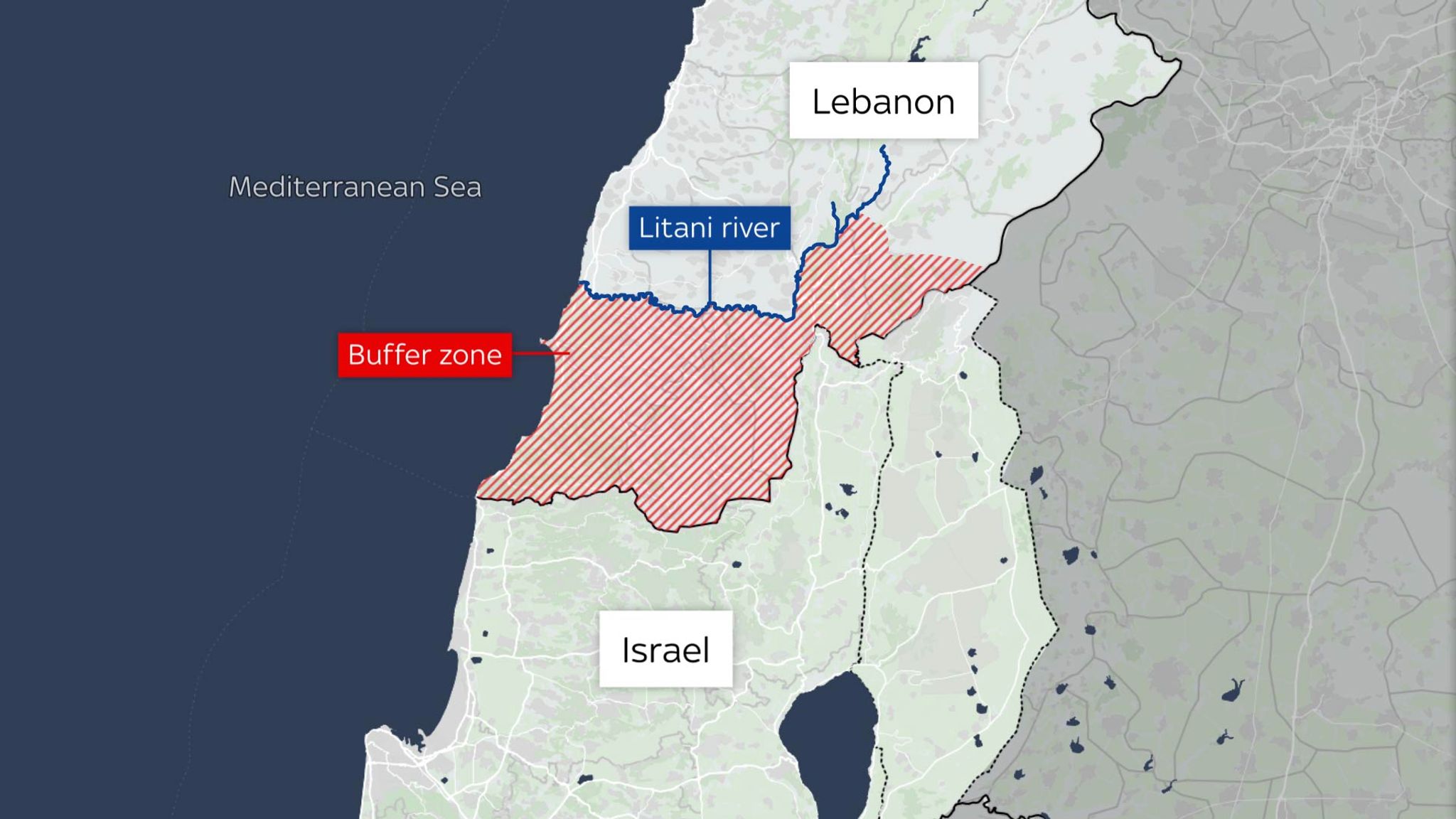
The effectiveness of the agreement remains subject to the operational capacity of the Lebanese army and the willingness of both Hezbollah and the Israel Defense Forces (IDF) to adhere to the designated boundaries. Previous attempts to enforce Resolution 1701 have faced challenges, leading to long-term friction in the border region. Analysts point out that while the current cessation of violence is a positive development, the long-term stability of the region depends on the successful implementation of the monitoring mechanism and the eventual return of displaced populations to their homes on both sides of the Blue Line.
Impact on U.S.-Iran Diplomatic Channels
The conflict between Israel and Hezbollah has long been viewed as a proxy extension of the broader rivalry between Israel and Iran. Tehran provides significant financial and military support to Hezbollah, and the intensity of the recent fighting had created complications for U.S. efforts to engage with Iran on issues including nuclear non-proliferation and regional stability. By securing a ceasefire in Lebanon, U.S. officials aim to decouple the border conflict from the more complex, indirect negotiations taking place regarding Iran’s nuclear program, as reported by the New York Times.

Diplomatic observers have noted that Iran’s position in these talks is often influenced by its regional alliances. A reduction in hostilities on the Israel-Lebanon front may provide more space for the U.S. to address specific security concerns with Iranian counterparts. However, the underlying strategic competition between Tehran and Washington persists, and it remains unclear whether the truce in Lebanon will lead to a broader thaw in U.S.-Iran relations or if it serves merely as a tactical adjustment to mitigate the risk of a wider regional war.
What Happens Next for Regional Security
The immediate focus for international observers is the transition period as Israeli forces begin their withdrawal. The U.S.-led monitoring committee is scheduled to begin its oversight functions immediately to ensure that neither side uses the ceasefire as an opportunity to rearm or reposition forces. According to the U.S. Department of State, officials are emphasizing that the agreement is intended to be durable, though they acknowledge that the volatility of the region requires constant vigilance.
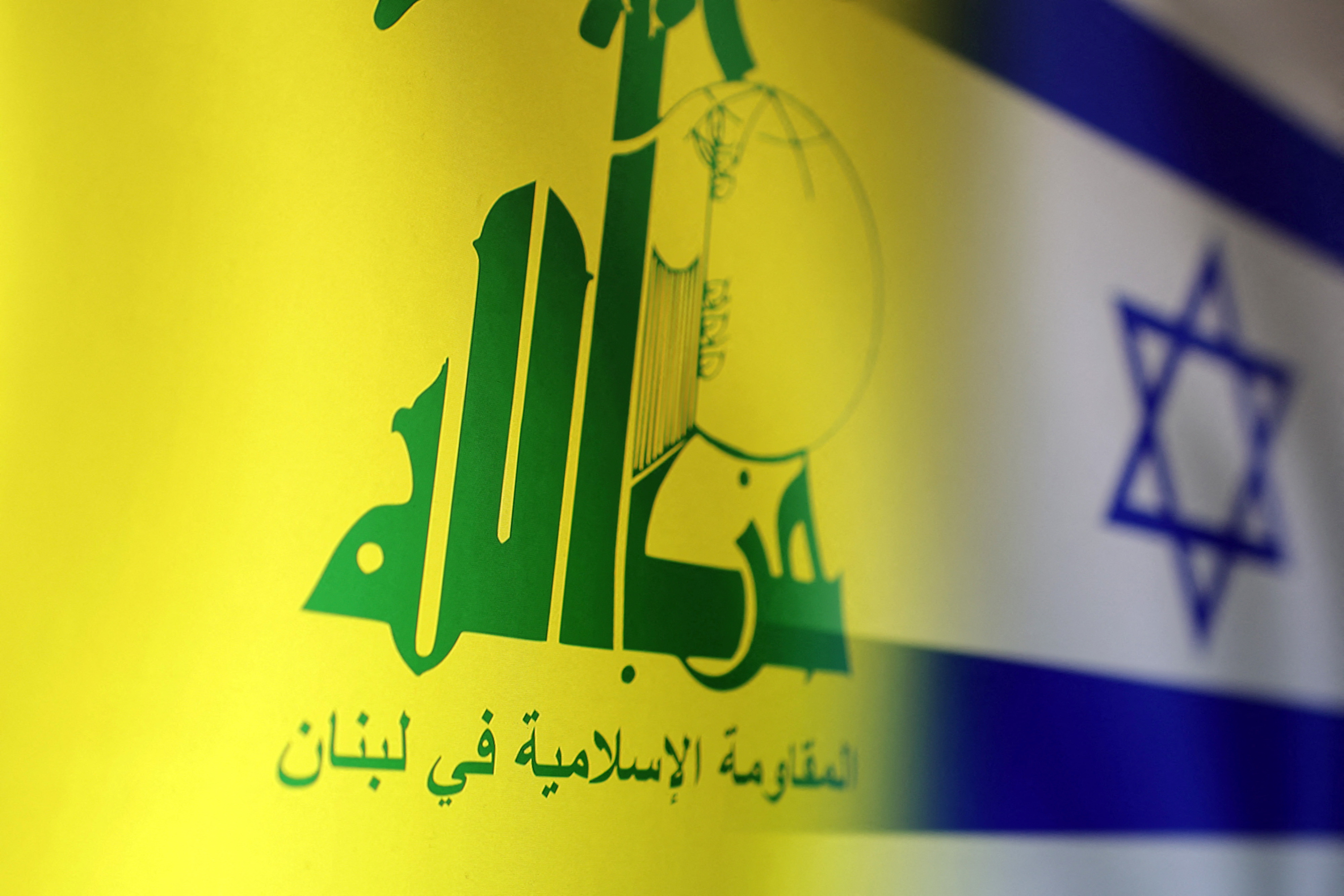
For the residents of Northern Israel and Southern Lebanon, the next few days will be critical. The return of displaced families is contingent upon the perception of safety and the absence of military activity. International aid organizations, including the UNHCR, are preparing to support the humanitarian needs of those affected, provided that the security environment remains stable. The international community continues to monitor the situation closely, with further assessments expected following the initial 60-day implementation phase outlined in the agreement.
Updates regarding the ceasefire and the progress of the monitoring committee will be provided as official statements are released by the involved governments. Readers are encouraged to monitor updates from the United Nations and the U.S. Department of State for the most recent developments. Please share your thoughts or questions regarding this evolving situation in the comments section below.
Worth a look