
Mississippi officials are actively lowering water levels at the Anchor Lake dam to alleviate pressure on the structure as the region faces a persistent threat of flash flooding. Emergency management teams have begun controlled releases to stabilize the dam, which remains under close observation due to the high volume of rainfall recently recorded across the Gulf Coast. The effort is part of a broader response to severe weather that has caused widespread infrastructure damage and prompted rescue operations across Harrison County and surrounding areas.
The decision to draw down the reservoir comes as meteorologists warn that saturated ground conditions and additional incoming rain could exacerbate existing flood risks. According to the National Weather Service, multiple rounds of heavy precipitation have pushed local waterways to their capacity, leaving little room for additional runoff. Local authorities are coordinating with state engineers to monitor the structural integrity of dams and levees throughout the region, prioritizing public safety in low-lying residential areas.
Ongoing Flood Response in Harrison County
Emergency responders have conducted dozens of rescues in Harrison County, where torrential rainfall triggered significant flash flooding. Local officials confirmed that more than 50 residents were evacuated from their homes as rising waters inundated streets and compromised property. The Harrison County Emergency Management Agency continues to provide updates on road closures and shelter locations for displaced individuals, urging residents to remain vigilant as the weather pattern persists.
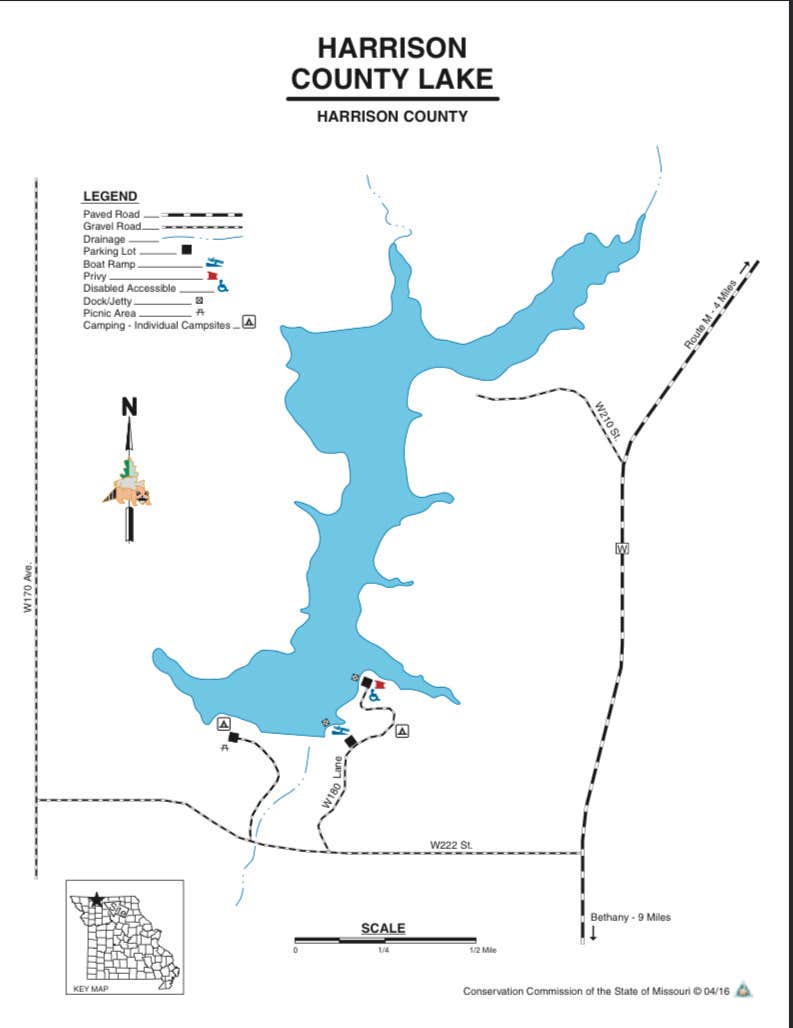
The scale of the emergency has mobilized resources from across the state. In addition to water management efforts at Anchor Lake, search and rescue teams have been deployed to navigate flooded neighborhoods. These operations have proven hazardous; officials reported that a road worker was killed while assisting in storm cleanup efforts, highlighting the dangers posed by the severe weather conditions. The incident remains under investigation by local authorities, who have emphasized the need for caution in areas where debris and high water levels remain present.
Regional Impact and Meteorological Context
The current flooding across the Gulf states is largely attributed to the lingering remnants of weather systems that have stalled over the region. The National Oceanic and Atmospheric Administration (NOAA) has tracked these systems, noting that the combination of high humidity and slow-moving storms has resulted in extreme rainfall totals in short periods. This phenomenon, often referred to as training, has caused localized flooding to rapidly evolve into life-threatening situations for residents.
The situation in Mississippi is part of a wider regional crisis. Neighboring states have also reported significant infrastructure strain as rivers and drainage systems struggle to manage the overflow. Public works departments are currently prioritizing the clearing of storm drains and the monitoring of critical infrastructure to prevent further failures. Residents are encouraged to monitor local emergency alerts and follow guidance from the Mississippi Emergency Management Agency regarding evacuation routes and safety protocols.
Safety Guidance and Next Steps
As officials continue to manage the water levels at the Anchor Lake dam, the primary focus remains on preventing a catastrophic breach. Engineers are performing ongoing assessments to determine when water levels can be safely returned to normal. The stability of the dam is currently being managed through controlled discharges, which are being adjusted based on real-time weather forecasts and inflow rates.

The next official update from county emergency management is expected as weather conditions evolve over the coming days. Residents in affected flood zones are advised to keep emergency kits prepared and to avoid driving through standing water, which can hide structural damage or downed power lines. For those seeking assistance or information on recovery resources, local government websites provide the most up-to-date portals for reporting damage and accessing aid. Please share this report with neighbors to ensure community awareness during this ongoing weather event.