
The academic and political community gathered at the Cathédrale Saint-Pierre in Geneva to honor the life and legacy of Jean Ziegler, the Swiss sociologist and human rights advocate who passed away in January 2024. Known for his vocal criticism of global inequality and his tenure as a United Nations Special Rapporteur, Ziegler left behind a complex intellectual footprint that was the subject of a memorial service attended by public figures and citizens alike, according to reports from the Radio Télévision Suisse (RTS).
Jean Ziegler, a professor of sociology and a former member of the Swiss National Council, was widely recognized for his advocacy against global hunger and the power of multinational corporations. His death marked the end of a career that spanned decades of intense debate in Swiss politics and international humanitarian circles. While the memorial in Geneva underscored his influence, the event also highlighted the ongoing tensions regarding his legacy in his home country, particularly his sometimes fraught relationship with the political establishment in Bern.
A Life Defined by Global Advocacy
Born in 1934 in Thun, Switzerland, Ziegler dedicated much of his professional life to challenging the structures of global capitalism. His work as a United Nations Special Rapporteur on the Right to Food from 2000 to 2008 brought international attention to the disparities in food distribution and the impact of financial markets on developing nations, as documented by the United Nations Office of the High Commissioner for Human Rights (OHCHR).

His academic career was equally significant, characterized by his professorships at the University of Geneva and the Sorbonne in Paris. Ziegler authored numerous books, including “The Empire of Shame,” which critiqued the global economic order. His ability to bridge the gap between academic theory and public activism made him a polarising, yet undeniably influential, figure in Swiss public life. His supporters viewed him as a necessary conscience for the global elite, while his critics often dismissed his approach as confrontational or populist.
The Geneva Tribute and Local Perceptions
The memorial service at the Cathédrale Saint-Pierre served as a reflection of Ziegler’s standing in Geneva, a city that hosts many international organizations and where he held a long-standing academic presence. The capacity crowd included representatives from various NGOs, political activists, and former colleagues who sought to frame his work as a cornerstone of human rights discourse.
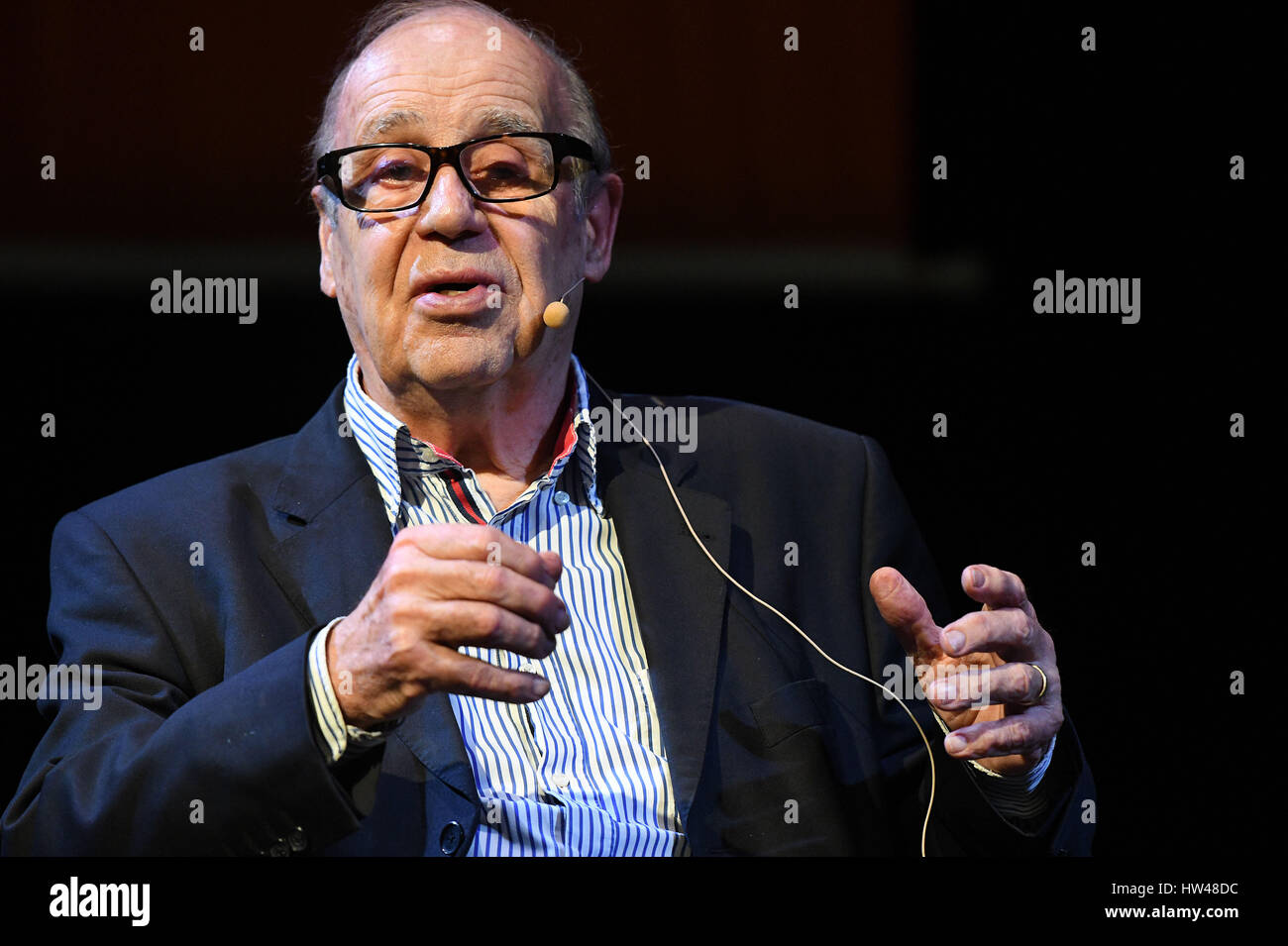
However, the reception of his legacy remains geographically and politically segmented. In Thun, his birthplace, and within the halls of the Federal Assembly in Bern, the response to his passing was notably more reserved. Ziegler frequently cast himself as an outsider to the Swiss political consensus, often criticizing the country’s banking system and its role in global finance. This stance created a distance between the “son of the city” and the national political apparatus, a theme that has persisted in domestic discussions even after his death, according to analysis provided by Neue Zürcher Zeitung (NZZ).
Why the Legacy of Jean Ziegler Remains Disputed
The dichotomy between the international celebration of his work and the domestic skepticism toward his methods is central to understanding his impact. Ziegler’s career was marked by a series of high-profile controversies, including his legal battles and his outspoken critiques of Swiss financial institutions. These actions often placed him at odds with the federal government and the traditional political parties in Bern.

For many observers, the tension between his international reputation and his domestic isolation is a direct consequence of his rhetorical style. While he was praised by international bodies for highlighting systemic failures, he was frequently criticized within Switzerland for what some termed a lack of nuance or an overly confrontational approach to national institutions. This “outsider” status was, by all accounts, a position he cultivated throughout his life, ensuring that he remained a permanent fixture in the national conversation—even if he was often on the periphery of the country’s political mainstream.
Looking Ahead: The Academic and Political Archives
The next phase in assessing Jean Ziegler’s contribution will likely occur within the academic archives and the ongoing debates surrounding human rights policy. As his personal papers and correspondence are processed, scholars expect a clearer picture of his interactions with international figures and his influence on the development of the “right to food” as a recognized concept in international law.
Official documentation regarding his tenure as a Special Rapporteur remains accessible through the United Nations Digital Library, which provides a comprehensive record of his reports and findings during his two terms. Public interest in his work has remained consistent, with many of his publications continuing to serve as foundational texts for students of international relations and sociology.
What remains to be seen is how the next generation of activists will interpret his legacy. Whether he is remembered primarily as a provocateur or as a pioneer of humanitarian advocacy, his influence on the discourse of global equity is firmly established in the historical record. Readers interested in the ongoing academic discussions surrounding his work may monitor the University of Geneva’s institutional archives for upcoming symposia or commemorative lectures.
We invite our readers to share their thoughts on the impact of Jean Ziegler’s work. How should his role in the landscape of 21st-century human rights be evaluated? Join the conversation in the comments section below.
Worth a look