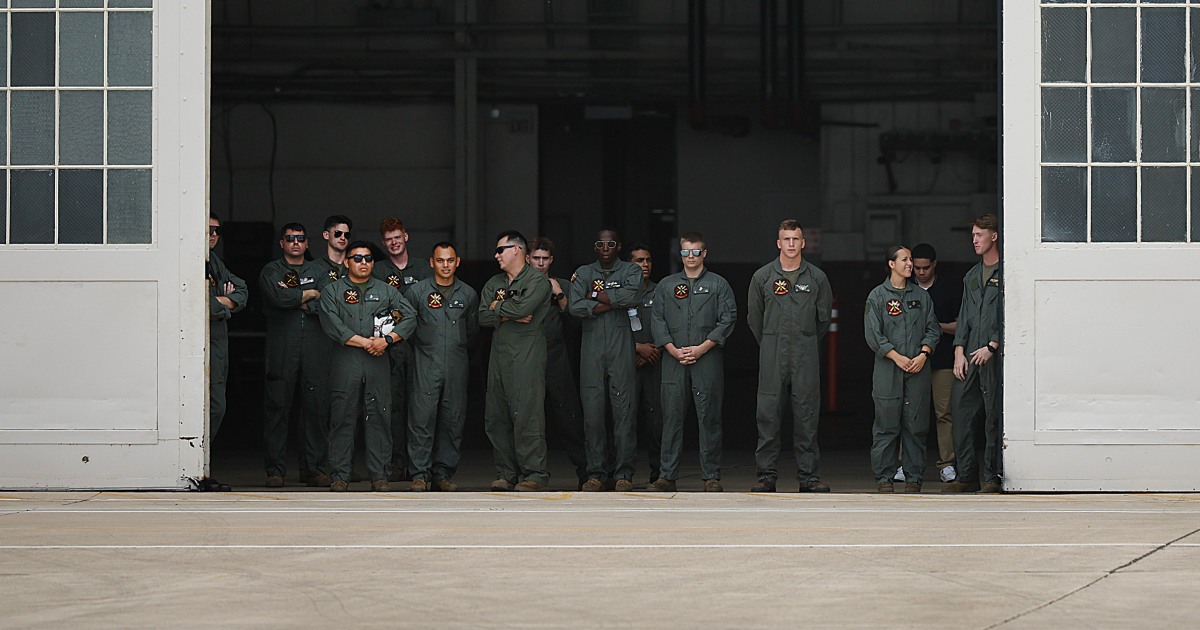
Approximately 160 military personnel stationed at Joint Base San Antonio-Lackland in Texas have contracted influenza, according to military officials. The outbreak follows a recent policy shift by the Department of Defense that removed the mandatory requirement for service members to receive the seasonal flu vaccine, a change implemented under the direction of Defense Secretary Pete Hegseth.
The cluster of illnesses, which surfaced among recruits undergoing basic training, has drawn renewed attention to the logistical and health-related implications of shifting vaccination protocols within the U.S. Armed Forces. While officials have categorized the situation as a contained outbreak, the scale of the infection has prompted internal reviews of health maintenance procedures for new recruits living in high-density housing environments.
Context of the Vaccine Policy Shift
The decision to transition the influenza vaccine from a mandatory requirement to an optional one for military personnel was finalized in early 2025. Secretary of Defense Pete Hegseth, who assumed his role at the start of the current administration, spearheaded the move as part of a broader effort to re-evaluate health mandates across the military branches. According to official Department of Defense communications, the policy change was framed as a shift toward individual choice, moving away from the blanket mandates that had been in place for years.
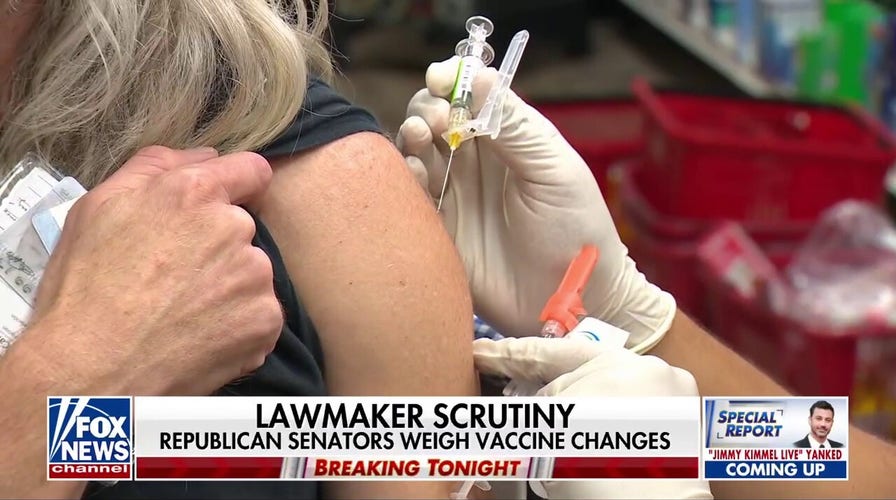
Prior to this change, the military maintained strict immunization schedules for recruits, citing the high risk of communicable diseases spreading in barracks and training facilities. Public health experts have long noted that high-density living quarters—where recruits sleep, eat, and train in close proximity—create ideal conditions for the rapid transmission of respiratory viruses like influenza. The current policy, however, prioritizes the autonomy of the service member regarding personal medical decisions.
Scope of the Outbreak at Lackland
The reported cases at Joint Base San Antonio-Lackland involve roughly 160 individuals. Military spokespeople confirmed that the affected troops received medical care on-base and were placed in isolation to prevent further spread. The Department of the Air Force has stated that it is monitoring the situation closely, with medical staff providing supportive care to those exhibiting symptoms of the virus.

While the number of infections is significant, base leadership indicated that the operational impact remains limited. The primary concern for military medical officers remains the potential for secondary complications and the disruption of training timelines for recruits who are unable to participate in physical activities while symptomatic. As of the latest update, the base has not reported any hospitalizations requiring intensive care, and officials describe the symptoms as typical for seasonal influenza.
Comparative Perspectives on Military Health
The outbreak has sparked debate regarding the balance between personal liberty and force readiness. Critics of the policy change argue that removing mandatory vaccinations for highly contagious diseases fundamentally undermines the health security of the force. Conversely, supporters of the current administration’s directive emphasize that the military should not override the personal health preferences of its personnel, particularly for viruses that are generally non-fatal to young, healthy populations.
This situation contrasts with previous years, during which the Department of Defense maintained a near-universal vaccination rate for influenza, often achieving compliance levels exceeding 95% across active-duty units. Data from the Centers for Disease Control and Prevention consistently highlights that vaccination remains the most effective tool for mitigating the spread of flu in congregate settings. Whether the current administration will adjust training protocols or encourage higher voluntary uptake remains a central question for military medical planners.
Managing Future Health Risks
The military has not yet announced a change to its current policy, nor has it indicated that the outbreak will result in a return to mandatory flu vaccinations. Instead, the focus at Lackland and other training installations appears to be on standard infection control measures, such as enhanced sanitation, symptom screening, and temporary isolation for those who test positive.

Military families and members of the public seeking official guidance regarding health policies or base-specific safety protocols are encouraged to monitor the Department of Defense Press Releases portal for verified updates. The military is expected to provide further information on the status of training operations at Lackland following the completion of the current quarantine cycle for the affected recruits. We will continue to track developments as more official reports become available from the Pentagon.
Have you been affected by recent changes in military health policies, or do you have further information on the situation at Joint Base San Antonio? We invite you to share your thoughts in the comments section below.
Keep reading