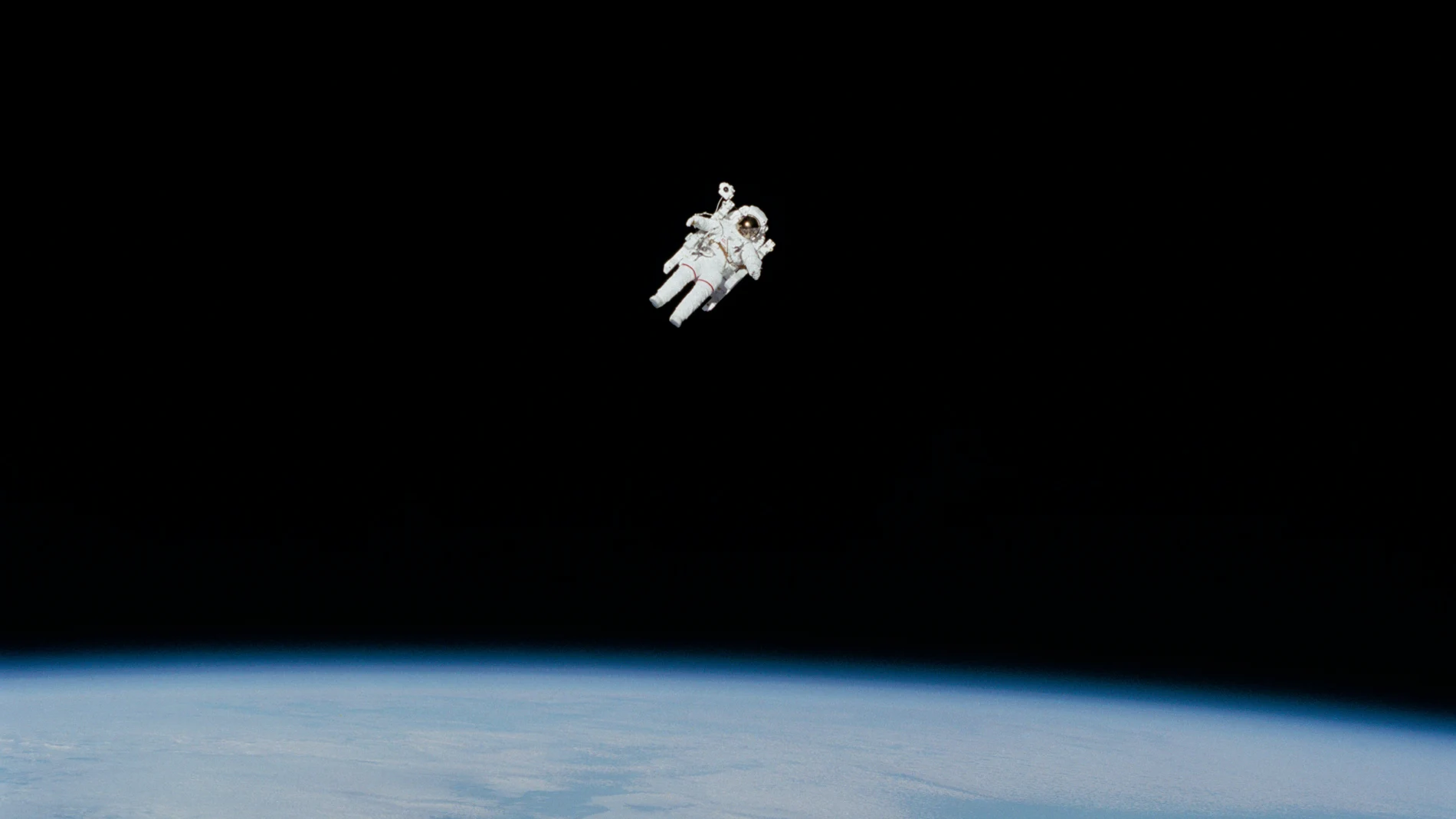
Recent neuroimaging research indicates that spaceflight triggers significant structural changes in the human brain, characterized by fluid shifts and altered connectivity that persist long after astronauts return to Earth. According to a study published in Scientific Reports, these neurological adaptations, often described by crew members as profound shifts in perspective, reflect the brain’s attempt to recalibrate in a microgravity environment.
As the commercial space sector expands, researchers are increasingly focused on how these physiological changes affect cognitive function and long-term health. While the “overview effect”—a cognitive shift reported by astronauts when viewing Earth from orbit—is well-documented, recent data from NASA’s Human Research Program suggests that the physical restructuring of the brain’s ventricles and white matter is a measurable, biological reality that accompanies these psychological experiences.
Understanding Brain Plasticity in Microgravity
The human brain relies on gravity to maintain its orientation and fluid distribution. Without this “ancestral anchor,” the brain undergoes a process of neuroplasticity. Research led by scientists at the University of Antwerp has demonstrated that astronauts experience an expansion of the brain’s ventricles—the cavities containing cerebrospinal fluid—to accommodate shifting pressures. This expansion does not return to baseline immediately upon landing, with some changes persisting for up to six months post-flight.

These findings are consistent with data from the European Space Agency (ESA), which has monitored crew members on the International Space Station (ISS) to assess the impact of long-duration missions. The study observed that the brain’s connectivity, specifically in areas responsible for motor control and sensory processing, appears to “re-map” itself to compensate for the lack of gravitational input. This process is not inherently pathological, but it represents a complex adaptation to an environment for which human biology is not naturally optimized.
The Overview Effect and Cognitive Perception
Beyond physical changes, astronauts frequently report a psychological phenomenon known as the “overview effect.” First coined by space philosopher Frank White in 1987, the term describes a cognitive shift resulting from the realization of Earth’s fragility and the absence of national borders when viewed from orbit. While often compared to the subjective intensity of psychedelic experiences, neuroscientists distinguish this as a state of heightened awareness rather than a pharmacological alteration of brain chemistry.

According to researchers at Penn Medicine, the brain’s response to the isolation and unique sensory input of spaceflight involves a downregulation of the default mode network (DMN). This network is typically associated with self-referential thought and rumination. When the DMN is quieted in space, astronauts often report a sense of “oneness” or detachment from their previous terrestrial stressors. This psychological state is currently a subject of study to determine how it might be leveraged to improve mental health resilience during deep-space missions to Mars.
Comparing Research Methodologies
There is a distinct difference in how various scientific bodies categorize these findings. While some media outlets draw parallels between spaceflight and psychedelic-induced states, the scientific community maintains a strict focus on measurable, physiological markers. The following table highlights the differences in focus between recent investigative efforts:

| Research Focus | Primary Methodology | Key Finding |
|---|---|---|
| Structural Neuroimaging | MRI/fMRI scans | Ventricular expansion and white matter changes. |
| Cognitive Psychology | Self-reported surveys | The “Overview Effect” and shifts in perspective. |
| Fluid Dynamics | Ultrasound and pressure monitoring | Redistribution of cerebrospinal fluid in microgravity. |
The NASA Human Research Program continues to track these variables as part of the preparations for the Artemis missions, which aim to establish a sustained presence on the Moon. These missions will provide the first opportunity to study the human brain’s adaptation to partial gravity environments, such as those found on the lunar surface, compared to the microgravity of low-Earth orbit.
What Happens Next?
The next phase of investigation will involve longitudinal studies of astronauts participating in missions exceeding one year. Researchers are particularly interested in whether the brain reaches a “plateau” of adaptation or if the structural changes continue to evolve over extended durations. The NASA health database remains the primary repository for these findings, with new data expected to be published following the conclusion of current ISS Expedition cycles.
As we move toward commercial space tourism and extended lunar stays, understanding these neurological shifts is essential for crew safety and mission success. Readers interested in the latest updates regarding human performance in space can monitor the official NASA website for press releases and peer-reviewed summaries as they become available. We invite our readers to share their thoughts on the implications of these findings in the comments section below.