The Obama Presidential Center in Chicago, Illinois, officially entered a new phase of its public life as dignitaries, political figures, and cultural icons gathered to mark the progress of the Obama Foundation’s mission. The event served as a high-profile convergence of the political coalition that defined the Obama era, occurring as the former president’s home state continues to host the development of the $830 million campus, according to official project disclosures from the Obama Foundation. Attendees included notable political figures such as Los Angeles Mayor Karen Bass and Maryland Senator Angela Alsobrooks, alongside cultural leaders including Oprah Winfrey, Tyler Perry, and Shonda Rhimes.
The gathering functioned as both a celebration of the center’s construction progress and a sobering reflection on the current state of American democracy. While the event featured performances by artists such as Christina Aguilera, Jennifer Hudson, and Marc Anthony, the underlying tone among many participants focused on the perceived fragility of democratic institutions and the necessity of continued civic engagement. The Obama Presidential Center, located in Jackson Park, is currently slated for completion in 2026, a timeline confirmed by the City of Chicago Department of Planning and Development.
Reframing the Call to Civic Duty
For many attendees, the event acted as a catalyst for discussions regarding the long-term endurance of democratic values. Eric Holder, who served as the 82nd United States Attorney General from 2009 to 2015, explicitly challenged the notion of political fatigue among the American electorate. According to the U.S. Department of Justice archives, Holder’s tenure was marked by a focus on voting rights and criminal justice reform, themes he revisited during the Chicago gathering. He urged those in attendance to reject feelings of weariness, drawing direct parallels to the historical sacrifices made by civil rights leaders such as John Lewis and Fannie Lou Hamer.
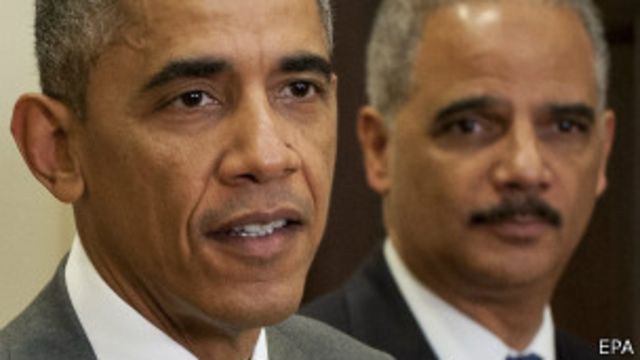
“There’s no time to be weary,” Holder stated during the proceedings. He emphasized that the current political climate requires the same level of commitment that historically defined movements for social progress. This sentiment was echoed by other speakers who framed the current era as a test of generational resolve. Maryland Senator Angela Alsobrooks reinforced this perspective by citing the late Coretta Scott King, noting that freedom is not a static achievement but a condition that must be defended by each successive generation.
The Intersection of Culture and Policy
The presence of high-profile cultural figures underscored the unique intersection of celebrity and political advocacy that characterized the Obama administration. Figures such as Dwyane Wade, Gabrielle Union, and Quinta Brunson were present alongside veteran political strategists, highlighting the enduring reach of the Obama brand in American cultural life. California Governor Gavin Newsom, often cited in national media as a potential candidate for future presidential cycles, utilized the platform to call for a return to a more constructive political discourse.
“We’re so divided and so corrosive, our politics,” Newsom said. He argued that the current atmosphere of political polarization contributes to a widespread sense of isolation and a loss of dignity among citizens. By emphasizing the need for a renewed sense of community, Newsom positioned the Obama Presidential Center as a potential site for restoring the civic dialogue that many participants feel has been eroded. The center’s design, which emphasizes community space and public programming, is intended to facilitate this exact type of engagement, according to the Foundation’s architectural mission statement.
Historical Precedent and Future Struggle
Civil rights attorney Ben Crump provided a broader historical context for the event, grounding the opening of the center in the legacy of those who fought for Black freedom throughout American history. By invoking the words of Frederick Douglass, Crump reminded the audience that progress is inherently tied to struggle. This emphasis on historical continuity served to balance the celebratory nature of the event with the realities of ongoing social and political challenges.
The focus on the “ancestors” reflected a broader effort by the organizers to ensure the center serves as more than a monument to a single presidency. Instead, the goal appears to be the creation of an institution that documents the long arc of civil rights in the United States. As the project moves toward its projected 2026 opening, the Obama Foundation continues to manage public expectations regarding the center’s role as both a museum and an active hub for leadership training and community development.
What Happens Next
The next major milestone for the site will be the finalization of the interior exhibits and the launch of the foundation’s expanded leadership programming, which is expected to ramp up in the months leading to the grand opening. Official updates regarding the construction schedule and public access permits are released periodically through the Obama Foundation’s official news portal. Readers interested in the development of the campus can monitor the Chicago City Council’s legislative records for updates on site-related infrastructure projects. We welcome your thoughts on the role of presidential centers in modern democracy; please feel free to share your perspectives in the comments section below.
Related reading