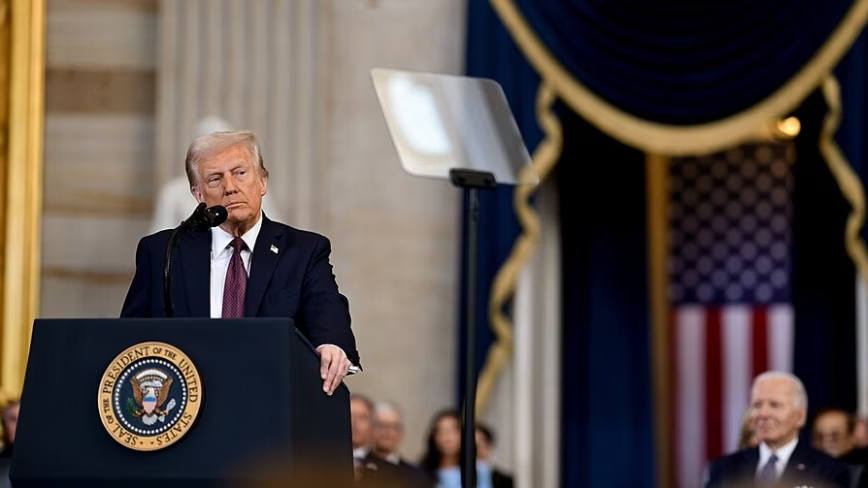
President Donald Trump stated in a recent interview that he no longer views the artificial intelligence company Anthropic as a national security threat, marking a notable shift in the administration’s stance toward the firm. This change in perspective follows a period of heightened scrutiny regarding the company’s safety protocols and international influence in the AI sector.
The updated position on the San Francisco-based AI developer, which the president addressed during a pretaped interview with Axios, contrasts with the administration’s more aggressive posture maintained over the previous three months. When asked directly if he currently considers the company a threat, President Trump responded, “Well, not now. But a week ago, maybe.”
Shifting Perspectives on AI Oversight
The administration’s previous focus on Anthropic was part of a broader federal push to regulate rapidly advancing generative AI technologies. According to the Executive Order on the Safe, Secure, and Trustworthy Development and Use of Artificial Intelligence, the U.S. government has been actively seeking to establish guidelines for companies developing “frontier” AI models. These models, which include those developed by Anthropic, are subject to increasing scrutiny regarding their potential to facilitate cyberattacks or other security breaches.
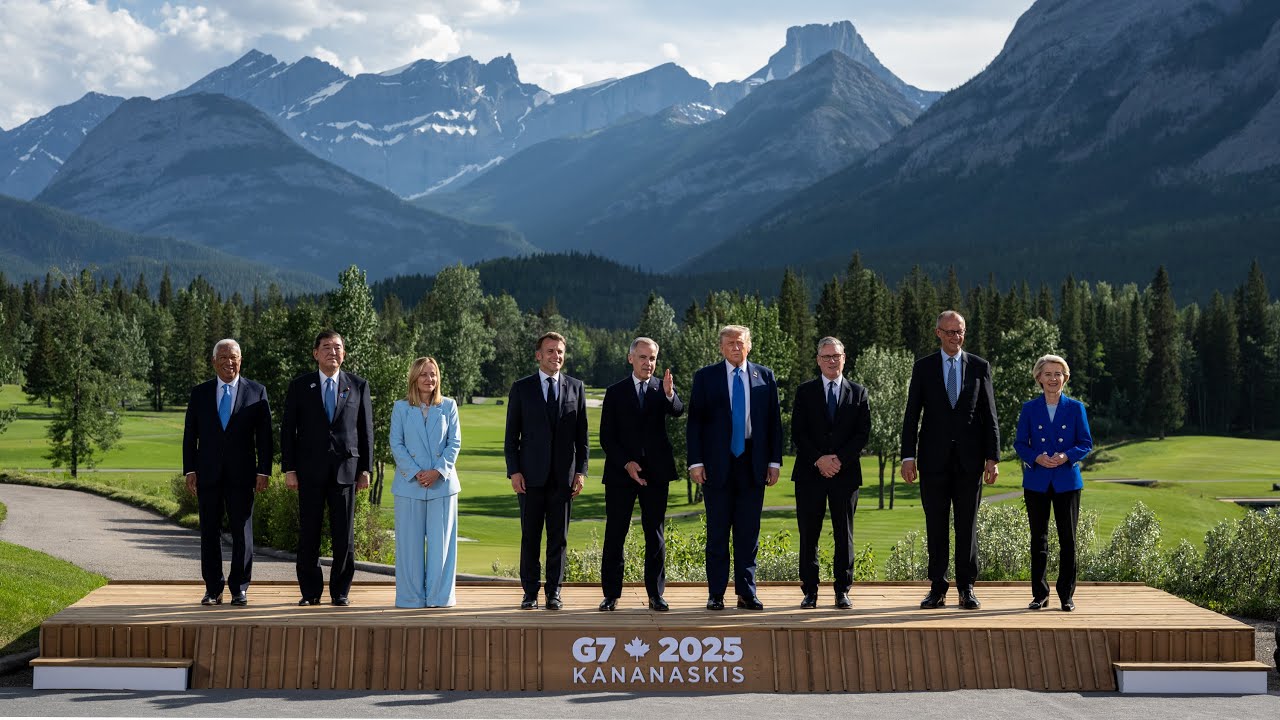
The recent change in tone appears tied to high-level diplomatic discussions. Reports indicate that the pivot occurred following a G7-related engagement involving the company’s leadership. While the White House has not released a formal policy document regarding this specific shift, the president’s comments signal a potential thaw in the relationship between the administration and the AI industry.
The Role of Anthropic in Global AI Policy
Anthropic, founded by former OpenAI executives, has positioned its “Constitutional AI” approach as a safer alternative to current industry standards. The company has frequently participated in discussions with global leaders regarding the responsible deployment of large language models. In May 2024, the United States and the United Kingdom signed a memorandum of understanding on AI safety, signaling an intent to coordinate technical research and policy frameworks for AI security.

The administration’s previous concerns likely stemmed from the rapid scaling of compute power required for Anthropic’s Claude series of models. Federal agencies, including the Department of Commerce, have been tasked with monitoring the acquisition of high-end semiconductors, such as those produced by Nvidia, which are essential for training these models. The interim final rule on advanced computing issued by the Bureau of Industry and Security outlines the current export controls and regulatory requirements for companies working in this space.
What Happens Next in AI Regulation
The tech industry is currently waiting for further guidance from the Department of Homeland Security and the Department of Energy, both of which were assigned specific tasks under the October 2023 Executive Order to assess AI-related risks to critical infrastructure. The next major checkpoint for the industry involves the upcoming reports on “red-teaming” results, which are standardized safety tests designed to identify potential vulnerabilities in AI systems before they are released to the public.
For stakeholders and investors, the president’s recent comments suggest that the administration may be moving toward a collaborative regulatory environment rather than one focused on containment. However, the legal requirements for reporting large-scale training runs to the federal government remain in effect under the current National Institute of Standards and Technology (NIST) safety guidelines.
As the administration continues to refine its approach to artificial intelligence, market analysts suggest that companies with established safety frameworks may find it easier to navigate future compliance burdens. The industry remains subject to ongoing congressional hearings, where the balance between innovation and national security continues to be a central topic of debate.
We will continue to monitor official statements from the White House and the Department of Commerce regarding the status of AI safety initiatives. Please share your thoughts in the comments section below regarding the evolving relationship between the executive branch and artificial intelligence developers.
Related reading