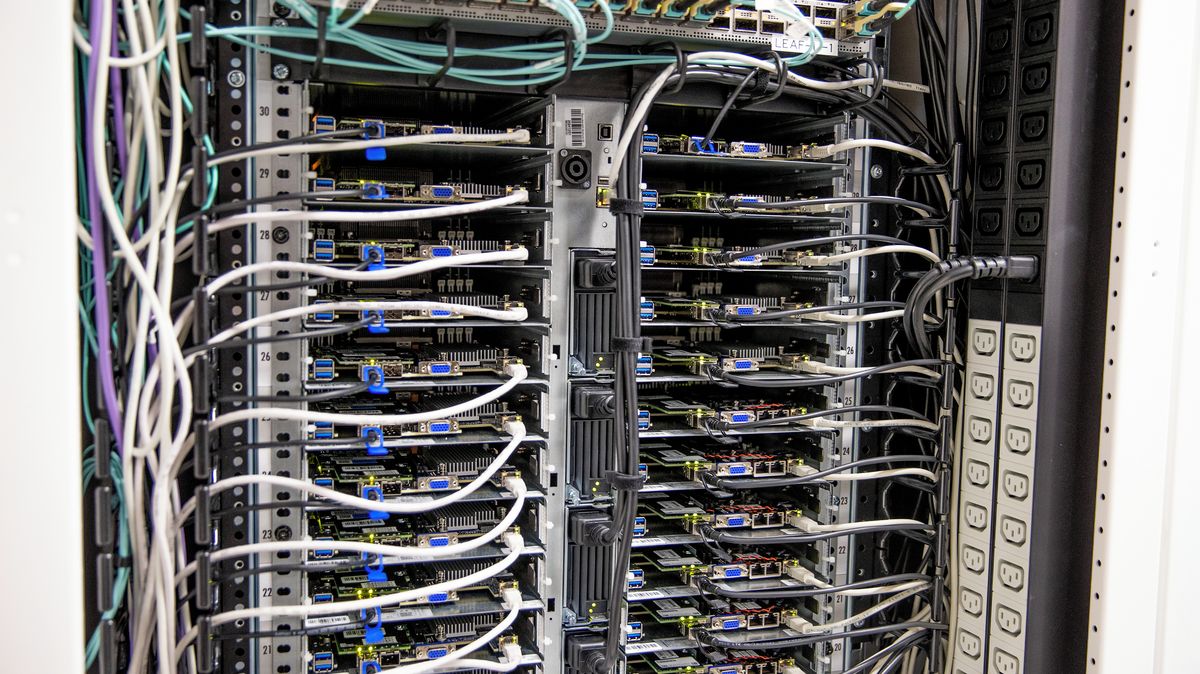
The rapid expansion of artificial intelligence data centers is driving a surge in global demand for reliable, dispatchable electricity, leading to a renewed reliance on natural gas-fired power generation. As tech giants like Amazon, Microsoft, and Google accelerate their infrastructure investments to support large language models, the energy industry is seeing a shift toward gas turbines as a primary solution for the massive, 24/7 power requirements of modern computing, according to reports from the International Energy Agency.
This trend toward gas-based energy stability is creating significant business opportunities for specialized engineering firms, including those based in the Czech Republic. Manufacturers of power plant components are reporting increased order volumes as utilities and developers look to upgrade or commission new gas-fired facilities to meet the specific load profiles required by hyperscale data centers, which require constant, non-intermittent power that current renewable sources often struggle to provide without significant battery storage support, as noted in the Bloomberg energy analysis.
Why AI Data Centers Require Natural Gas
Artificial intelligence models rely on high-density computing clusters that operate continuously. Unlike traditional office networks, these data centers maintain high “capacity factors,” meaning they draw maximum power nearly every hour of the day. While solar and wind energy are increasingly cost-effective, their intermittent nature presents a challenge for facilities that cannot afford a millisecond of downtime, according to the National Renewable Energy Laboratory.
Natural gas power plants provide “baseload” or “dispatchable” power that can be ramped up or down quickly to match demand. This reliability makes them the preferred choice for data center operators who are increasingly signing direct power purchase agreements (PPAs) with energy providers. The U.S. Energy Information Administration has highlighted that the integration of AI-related energy demand is a primary factor in the slowing retirement rates of older thermal power plants and the planning of new, high-efficiency gas turbine installations.
The Role of European Engineering in Global Energy
The Czech Republic, long recognized for its industrial manufacturing heritage, is playing a quiet but vital role in this global energy pivot. Companies specializing in the production of turbine blades, heat exchangers, and control systems for power plants are seeing a shift in their order books toward projects that support grid stability in regions experiencing rapid data center growth, including North America and parts of the European Union, as tracked by CzechTrade.

These manufacturers benefit from a long-standing reputation for precision engineering and compliance with stringent EU environmental standards. As global energy markets transition, the demand for “peaking” plants—which can quickly balance the grid when renewable output drops—has created a niche for Czech firms that provide the mechanical components necessary to maximize the efficiency of gas combustion. This manufacturing sector remains an essential component of the global supply chain, ensuring that as AI scales, the underlying physical infrastructure remains capable of handling the load.
What Happens Next for the Energy Grid
The immediate future of the energy-AI nexus will likely center on the tension between carbon reduction goals and the physical necessity of grid reliability. While major tech companies have pledged to become carbon neutral, the immediate reality of AI-driven power consumption is forcing a pragmatic approach to energy procurement. According to the International Energy Agency, electricity demand growth is outpacing supply additions in several major markets, creating a mandate for immediate, reliable power sources.

For industrial manufacturers in the Czech Republic and elsewhere, the focus remains on innovation within the gas-to-power sector. This includes the development of “hydrogen-ready” turbines, which aim to eventually transition from natural gas to cleaner fuel alternatives as supply chains for green hydrogen mature. Industry stakeholders are expected to provide further updates on these technical specifications during the next round of utility-scale procurement filings scheduled for late 2024 and early 2025. Investors and industry analysts continue to monitor these developments closely as the intersection of software development and heavy engineering defines the next decade of infrastructure investment.
Have thoughts on the intersection of AI development and energy infrastructure? Join the discussion in the comments section below or share this report with your network.
Worth a look