
The Portuguese Parliament has rejected the government’s proposed labor market reforms, dealing a significant legislative setback to the minority administration led by Prime Minister Luís Montenegro. The defeat of the package, which sought to introduce structural changes to the country’s employment framework, occurred during a plenary session that highlighted the fragility of the current governing coalition in the Assembleia da República. Following the vote, Minister of Labor, Solidarity and Social Security Maria do Rosário Palma Ramalho characterized the outcome as an “opportunity lost” for the country’s economic modernization.
The legislative failure marks a recurring challenge for the government, which operates without an absolute majority and must rely on shifting alliances to pass key economic and social policies. While the opposition parties united to block the proposal, the administration has signaled that it will not alter its core commitment to fiscal responsibility, particularly regarding the sustainability of the national pension system. Prime Minister Montenegro stated in the aftermath that his government would not pursue any measures that might jeopardize the future payment of pensions, framing the rejected reforms within a broader strategy of long-term economic stability.
Legislative Rejection and Political Context
The defeat of the labor reform package follows intense debates regarding the balance between labor flexibility and worker protection. According to records from the Assembleia da República, the government’s proposal faced opposition from a diverse array of parliamentary groups, preventing the required threshold for approval. The rejection underscores the difficulty the current administration faces in implementing its agenda, as it must negotiate individual articles of law with opposition parties that often hold divergent views on European labor market trends.
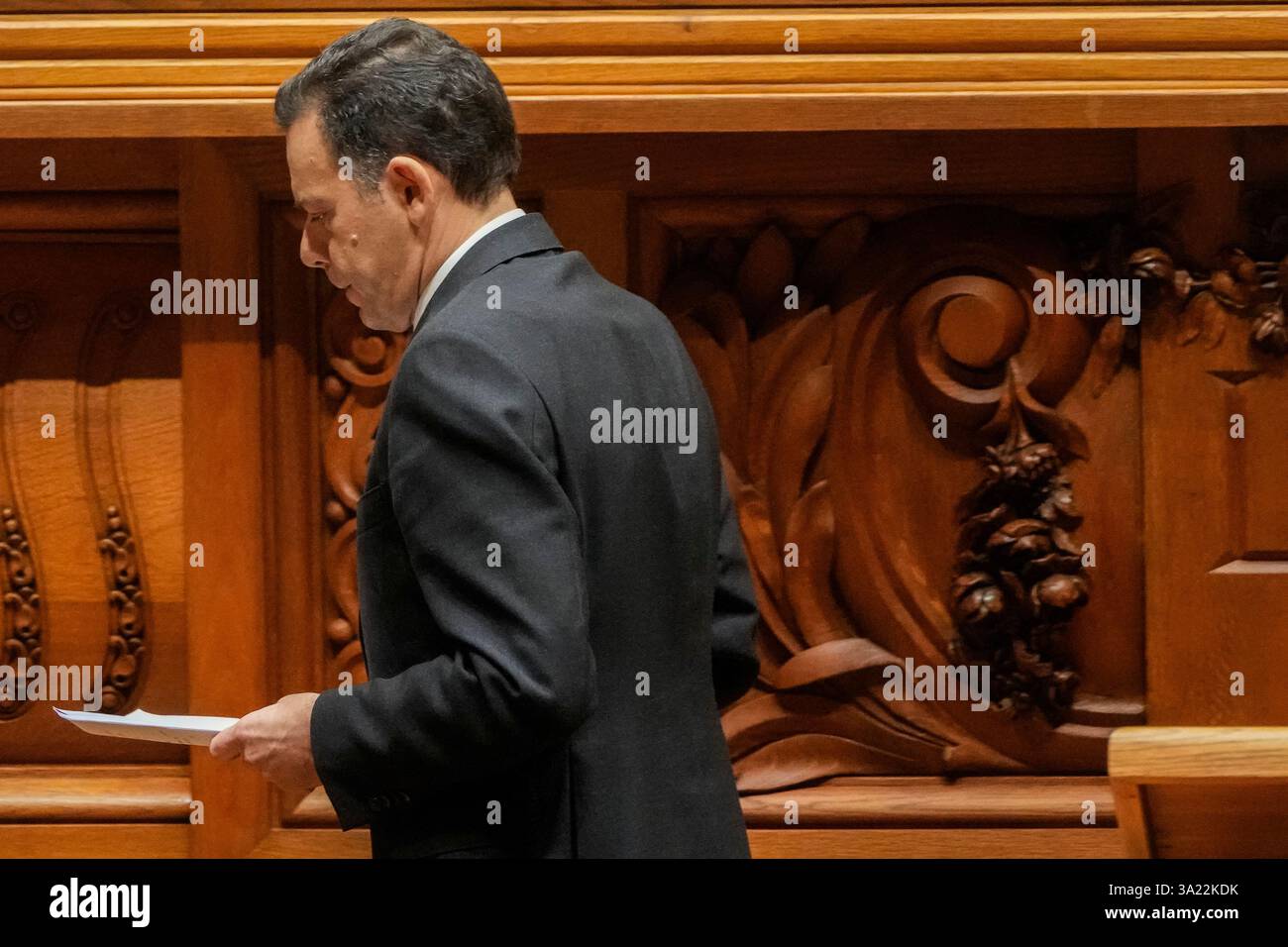
Analysts note that this development reflects the broader political volatility in Lisbon. The government, which took office earlier this year, has struggled to move beyond its minority status in the legislative chamber. By blocking these reforms, opposition parties have effectively signaled their intent to force a more consultative approach to future economic legislation. The Minister of Labor has dismissed calls for her resignation in the wake of the vote, labeling the suggestion as a “question without sense” and reaffirming her focus on the executive’s remaining policy objectives.
Government Stance on Pension Sustainability
A central pillar of the government’s reaction to the vote has been the defense of its fiscal record, particularly concerning the Portuguese social security system. Prime Minister Montenegro emphasized that the government’s refusal to compromise on certain fiscal benchmarks is rooted in a desire to protect the longevity of pension payments. This narrative serves as a primary justification for the administration’s legislative agenda, suggesting that any labor market reform must be secondary to the preservation of public funds.
The government’s insistence on this point is intended to reassure both domestic stakeholders and international investors who monitor the country’s debt-to-GDP ratios. By framing the labor reform debate through the lens of pension security, the Prime Minister is attempting to shift the political conversation from the specifics of the failed labor bill to the broader theme of economic stewardship. However, critics argue that this approach ignores the immediate needs of the labor sector, including issues related to wage growth and employment contract stability.
What Happens Next?
With the labor reform bill currently stalled, the focus shifts to the government’s next legislative priorities, including the upcoming discussions on the national budget. The rejection of the labor package is expected to complicate these negotiations, as opposition leaders are likely to leverage the government’s parliamentary weakness to demand more significant concessions in future proposals.
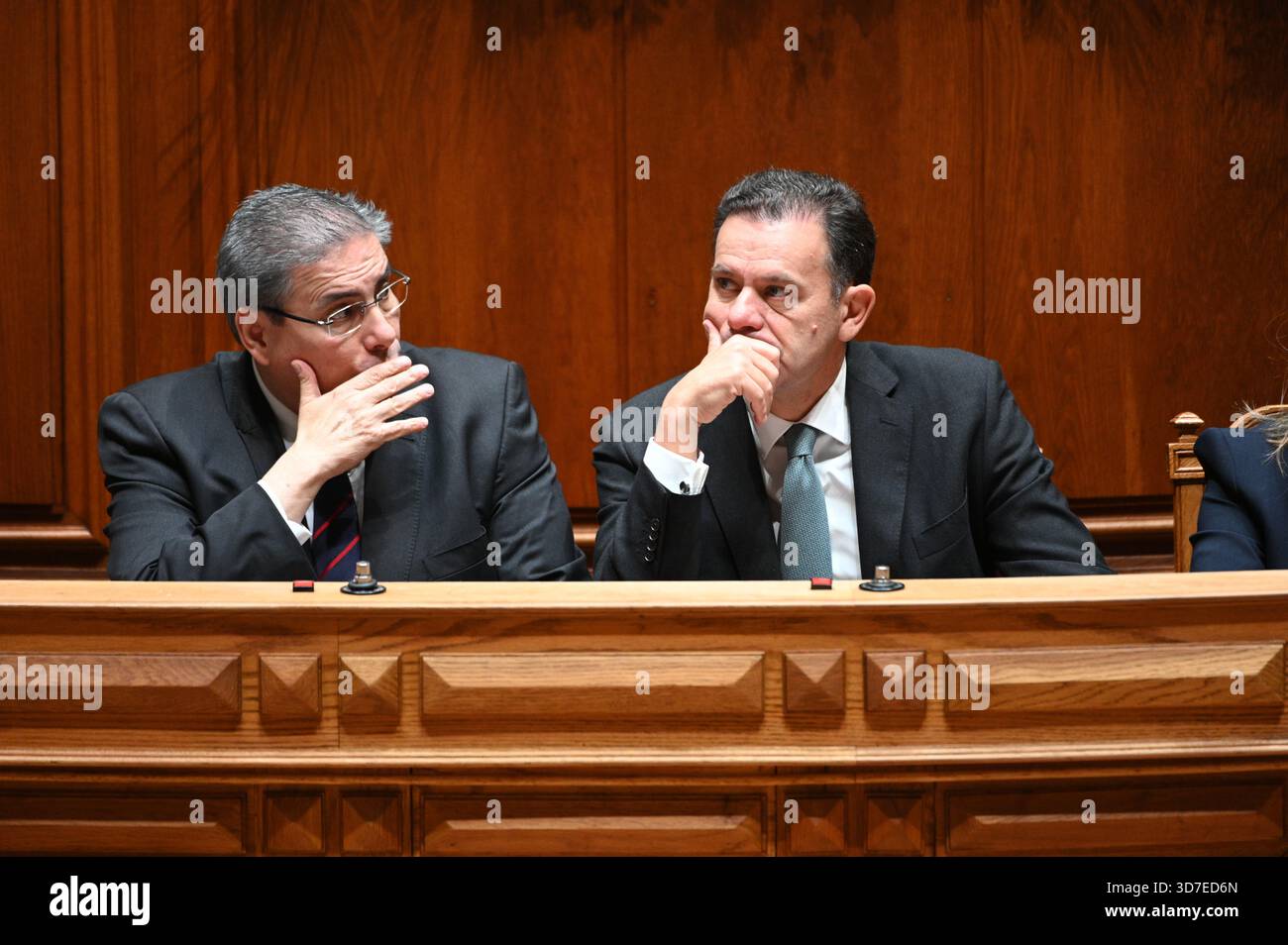
The government is scheduled to continue its administrative duties while evaluating whether to resubmit modified versions of the labor reforms or to integrate specific provisions into larger omnibus bills. No formal date for a new vote on these specific measures has been announced. The administration remains under pressure to demonstrate that it can govern effectively despite the lack of a clear majority in the Assembly. Public discourse remains active, and further commentary from the Minister of Labor is expected as the cabinet recalibrates its approach to the legislature.
We invite our readers to share their perspectives on these developments in the comments section below. For ongoing updates on the Portuguese political situation and international labor trends, please continue to follow our coverage here at World Today Journal.