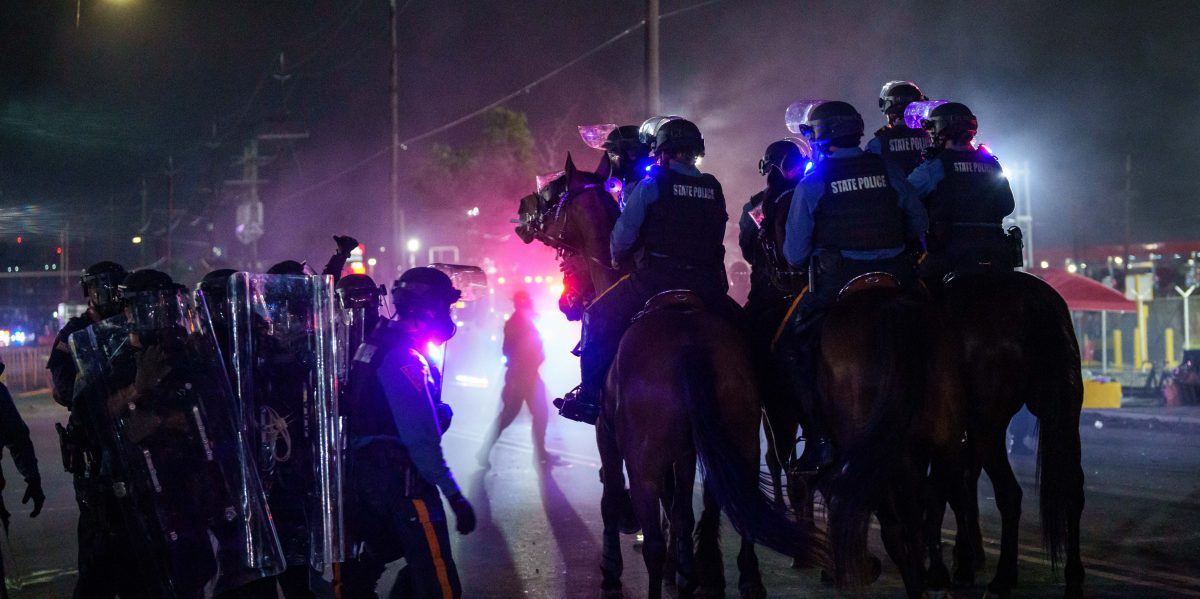
Federal agents have contacted numerous individuals arrested during protests outside the Delaney Hall immigration detention center in Newark, New Jersey, attempting to recruit them as informants. According to local public defenders, at least half of the approximately 90 protesters taken into custody following demonstrations against alleged conditions inside the facility have received outreach from federal law enforcement seeking information on other participants.
The outreach, which has drawn sharp criticism from legal advocates, involves FBI agents contacting protesters after their local arrests. The interactions have raised significant constitutional concerns regarding the right to counsel and the treatment of political dissenters by federal authorities. As of June 9, public defenders have formally demanded that these contacts cease, citing violations of the rights of those currently facing local charges.
The Context of the Delaney Hall Protests
The protests at Delaney Hall, a privately operated facility under contract with U.S. Immigration and Customs Enforcement (ICE), gained momentum in late May. Demonstrators gathered to voice concerns over reports of a hunger strike and internal conditions at the detention center. Among those present on May 29 was John Mark Rozendaal, who stated he arrived to play the cello as a form of non-violent expression. The protests eventually resulted in a heavy police response, with state authorities deploying chemical agents and mounted officers to disperse the crowd.
Following the dispersal, state police arrested multiple individuals, including Rozendaal, who was charged with obstructing law enforcement. While the initial charges were handled at the local level, the subsequent involvement of federal agents marked a significant escalation. Rozendaal reported receiving a telephone call from an agent who identified the reason for the contact as his recent arrest at the facility. During the conversation, the agent allegedly requested information regarding other protesters, specifically those the FBI deemed to have “not the right intentions.”
Legal Objections and the Right to Counsel
The practice of federal agents approaching individuals already represented by counsel has prompted a formal response from the Essex County Public Defender’s Office. Benjamin Van Meter, a deputy public defender representing several protesters, characterized these actions as an intrusion into the attorney-client relationship. In a letter dated June 9 to the U.S. Attorney for the District of New Jersey and senior FBI officials, Van Meter requested an immediate halt to all unauthorized interrogations.
The letter asserts that contacting represented individuals without the presence of their attorneys violates constitutional protections. Karen Paff, a spokesperson for the New Jersey Office of the Public Defender, stated that the office’s primary responsibility is to ensure the rights of their clients are respected, noting that this is a standard procedure when law enforcement attempts to bypass assigned legal counsel. To date, the Department of Justice has not issued a public response to these allegations, and the FBI has declined to comment on specific investigative tactics related to the Delaney Hall demonstrations.
Historical Patterns of Federal Infiltration
The attempt to flip protesters into informants is a tactic that civil liberties advocates argue has historical precedent in the United States. Amol Sinha, executive director of the American Civil Liberties Union (ACLU) of New Jersey, emphasized that federal agencies have frequently used infiltration and recruitment strategies during periods of political unrest to monitor movements and create internal divisions. Sinha noted that such tactics, while serving the goal of information gathering, often result in the erosion of trust within community and activist groups.
Legal experts advise that individuals approached by federal agents have clear protections under the U.S. Constitution. The right to remain silent and the right to have an attorney present during any questioning are fundamental, regardless of the nature of the investigation. The ACLU maintains that individuals are under no obligation to speak with federal agents without a warrant or legal counsel present, particularly when those individuals are already involved in active criminal proceedings.
What Happens Next
The legal standoff remains unresolved as the criminal cases against the Delaney Hall protesters proceed through the New Jersey court system. The demand for a “cease and desist” regarding federal contact with represented defendants has placed the issue of investigative boundaries before the U.S. Attorney’s office. As of the latest updates, no further court hearings have been scheduled specifically to address the public defender’s complaint, though legal filings are expected to continue as the underlying local charges are contested.
For those interested in updates regarding the proceedings, court dockets for the Superior Court of New Jersey, Essex County, provide the most accurate record of ongoing criminal matters. We will continue to monitor these filings and any official responses from federal authorities regarding the conduct of their investigations.
Keep reading