
Flemish Minister-President Matthias Diependaele has publicly acknowledged errors in the administration’s handling of budget cuts to student transport, a move that marks a shift in the government’s approach to the ongoing controversy. The admission follows significant public and political backlash regarding changes to the transport system for children in special education, which critics have labeled as socially regressive. The Flemish government is now working to address these concerns while navigating the broader financial constraints facing the region.
The controversy centers on the implementation of austerity measures that impacted the logistics of transporting students to special needs schools across Flanders. According to reports from the VRT, the regional broadcaster, the government faced intense criticism for the impact these savings had on vulnerable families. Minister-President Diependaele, representing the N-VA, admitted that the execution of these policies was flawed, signaling a willingness to recalibrate the government’s strategy.
The Impact of Transport Policy Adjustments
The primary point of contention involves the restructuring of school transport, which left many families concerned about the accessibility of education for children with specific needs. Flemish Minister Caroline Gennez, representing the Vooruit party, has publicly stated that the government will not proceed with plans to cut transport routes for children enrolled in special education programs. This commitment aims to stabilize the situation for families who rely on these services to ensure their children can attend school consistently.
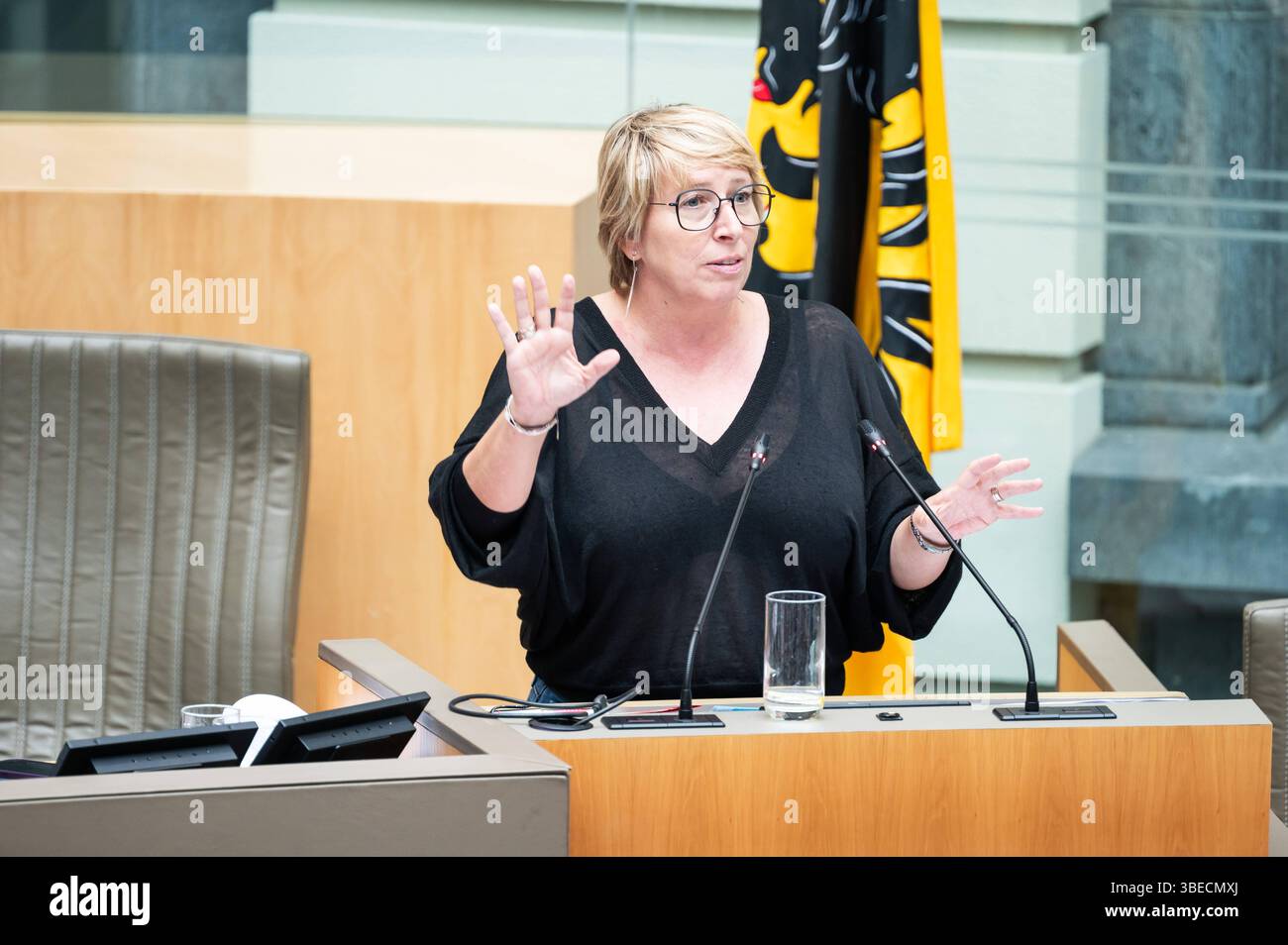
The debate highlights the tension between the Flemish government’s stated goal of fiscal responsibility and the practical challenges of maintaining essential social services. As noted by the VRT, the government is now focused on ensuring that any future adjustments to public spending do not inadvertently compromise the educational rights of children in the special needs sector. The situation underscores the sensitivity required when implementing structural reforms in a complex public service environment.
Political Accountability and Government Strategy
The admission by the Minister-President has been interpreted by political analysts as an attempt to regain control over a narrative that had become increasingly dominated by accusations of administrative incompetence. Within the Flemish coalition, the N-VA has come under pressure to demonstrate that its policy decisions are grounded in practical reality rather than purely theoretical budget targets. The internal discourse suggests a move toward more consultative policymaking to avoid similar public relations and operational failures in the future.
Minister Annick De Ridder, whose portfolio has been scrutinized during this period, remains a central figure in the ongoing discussions regarding the government’s transport policies. Her role in the implementation of these measures has been a focal point for opposition parties seeking to challenge the coalition’s priorities. The government’s current stance reflects a broader effort to address these criticisms while maintaining the integrity of the coalition agreement, which prioritizes long-term fiscal sustainability for the region.
What Happens Next?
The Flemish government is expected to provide further updates on the revised transport framework as part of its ongoing budget review process. The next phase involves a detailed assessment of the transport requirements for the upcoming academic year, with a focus on integrating feedback from school boards and parent organizations. This process is intended to ensure that any future measures are both financially viable and socially equitable.
Official communication regarding the specific adjustments to the transport budget will be released through the Flemish Government’s official portal. The administration has committed to transparency as it moves through this period of policy correction. Readers are encouraged to monitor these official channels for the most accurate information regarding school transport services and any upcoming public hearings or policy consultations.
We welcome your thoughts on this development in the comments section below. For ongoing coverage of Flemish politics and regional policy, stay tuned to our updates.