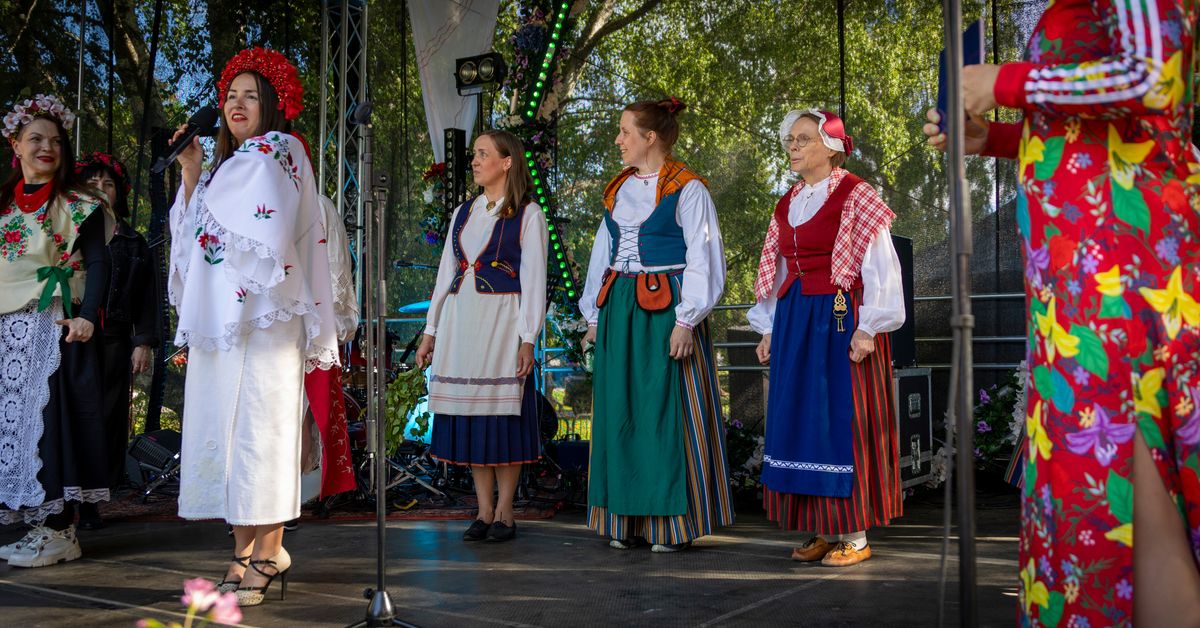
Midsummer, known as juhannus in Finland and Kupala Night in Ukraine, serves as a bridge between cultures for the growing number of Ukrainian citizens currently residing in Finnish municipalities, including Rovaniemi. While both traditions center on the summer solstice, the celebration of nature and the symbolic power of fire, they feature distinct ritualistic nuances that highlight both the similarities and the unique heritage of the two nations.
The Finnish Midsummer celebration is characterized by the lighting of large bonfires, or kokko, near lakes and coastal areas. According to the official portal of Finland, the tradition has deep roots in agrarian history, serving as a time to celebrate the harvest and the light of the midnight sun. For Ukrainians who have moved to Finland, these gatherings often feel familiar, as the solstice has been a significant cultural touchstone in Slavic history for centuries.
Cultural Parallels in Solstice Traditions
The core of both Finnish and Ukrainian solstice celebrations involves a profound connection to the natural world. In Finland, the focus is often on the transition to the peak of summer, with many residents heading to the countryside to spend time in cabins, often accompanied by sauna sessions and birch leaf whisking. The Finnish Tourist Board notes that the event is one of the most important annual holidays, marked by a quiet, reflective atmosphere in urban centers and vibrant community gatherings in rural areas.
In contrast, the Ukrainian tradition of Kupala Night—historically celebrated in early July due to calendar differences—is steeped in folklore, focusing on water, fire, and floral wreaths. While the Finnish kokko is primarily a communal beacon, the Ukrainian ritual often involves participants jumping through or over the flames of a bonfire. This act is traditionally viewed as a purification ritual. Observers of these traditions note that for many Ukrainians now living in northern regions like Lapland, the Finnish bonfire acts as a comforting reminder of home, even if the specific ritualistic actions, such as jumping through the fire, are not typical of the standard Finnish experience.
Integration and Community in Rovaniemi
Rovaniemi, the capital of Lapland, has seen a demographic shift following the migration of thousands of Ukrainians since the escalation of the conflict in February 2022. According to the Finnish Immigration Service (Migri), thousands of temporary protection applicants have been registered across the country, with many choosing to settle in northern hubs for employment and community support. The integration process is often facilitated by local cultural exchanges, where traditional holidays provide a platform for dialogue between newcomers and the local population.
The presence of these traditions in Rovaniemi does not just serve as a reminder of home for Ukrainians; it also offers Finnish residents an opportunity to learn about the cultural heritage of their new neighbors. Community centers and local organizations frequently host events that blend these customs, allowing for a shared experience of the solstice. This synthesis of traditions helps in fostering a sense of belonging for displaced populations, as the shared celebration of light and nature transcends linguistic and geographical barriers.
The Significance of Fire and Flora
Beyond the bonfire, the use of flora is a significant commonality. In Finland, it is customary to decorate homes with birch branches and wild flowers. Similarly, in Ukrainian traditions, the weaving of flower wreaths—or vinok—is a central activity. These wreaths are often worn or floated on water as a tribute to the sun and the fertility of the land. The official website of Ukraine highlights that these practices are central to preserving national identity, particularly among those living abroad.
The symbolic importance of these rituals remains high. For the Ukrainian diaspora, maintaining these customs is a way to preserve cultural continuity. For the Finnish hosts, the participation of Ukrainians in local festivities like juhannus provides a concrete way to demonstrate solidarity and support. As these communities continue to integrate, the exchange of such deep-rooted traditions remains a vital component of the social fabric in cities like Rovaniemi.
Looking Ahead: Community Engagement
As Finland prepares for the next cycle of summer festivities, local authorities in Rovaniemi and other major cities continue to monitor the social integration of temporary residents. The Finnish government’s integration portal provides resources for municipalities to manage community events that promote inclusivity. These initiatives are essential for ensuring that cultural traditions are not only preserved but also shared in a way that enriches the entire community.

The next major update regarding integration policies and community support programs is expected to be released by the Ministry of Economic Affairs and Employment in the coming fiscal quarter. Residents interested in participating in upcoming cultural integration events are encouraged to check their local municipal bulletins or the official Rovaniemi city website for scheduled gatherings. Feel free to share your thoughts or experiences with cross-cultural traditions in the comments section below.