
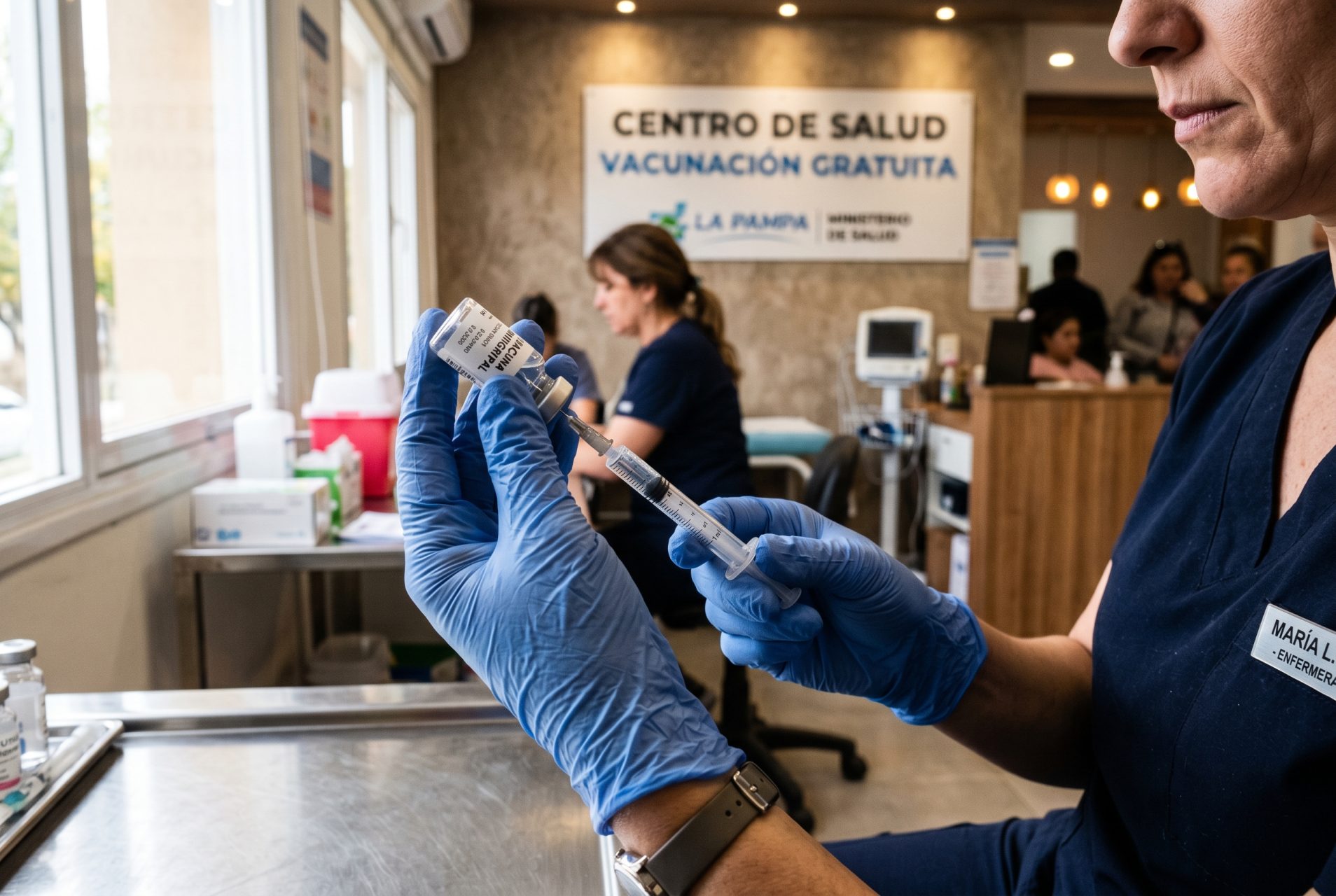
As winter descends upon the La Pampa province in Argentina, regional health authorities have intensified surveillance protocols to manage the seasonal circulation of respiratory viruses, including influenza, respiratory syncytial virus (RSV) which causes bronchiolitis, and SARS-CoV-2. Public health officials emphasize that while these pathogens remain endemic, the combination of colder temperatures and increased indoor activity necessitates a proactive approach to vaccination and preventive hygiene to mitigate the burden on the provincial healthcare system.
The Argentine Ministry of Health continues to categorize COVID-19 as a virus in constant circulation, noting that SARS-CoV-2 remains a latent presence in the population. According to the national vaccination strategy, maintaining updated booster doses remains the primary defense against severe disease outcomes, particularly for vulnerable demographics including the elderly and those with pre-existing chronic conditions.
Managing Respiratory Virus Circulation in La Pampa
During the winter months, La Pampa health officials monitor a predictable uptick in cases of influenza and bronchiolitis. Bronchiolitis, caused primarily by RSV, remains a significant concern for pediatric health, often leading to increased hospital admissions for infants and young children. The Pan American Health Organization highlights that seasonal peaks for RSV typically align with the coldest months of the year, requiring healthcare facilities to ensure adequate capacity for respiratory support and monitoring.

Influenza surveillance also follows established patterns. The provincial health ministry monitors circulating strains to ensure that immunization campaigns remain effective. Because influenza viruses evolve, the World Health Organization updates vaccine compositions annually, and local authorities in La Pampa urge residents to participate in the seasonal flu shot programs provided at local health centers (CAPS) and hospitals.
Vaccination and Preventative Public Health Measures
Public health policy in Argentina relies heavily on the integration of COVID-19 boosters with routine seasonal immunizations. Health authorities report that the coexistence of multiple respiratory pathogens requires a multi-layered prevention strategy. This includes regular hand washing, the use of masks in high-risk environments such as medical facilities, and the ventilation of indoor spaces to reduce viral load.

The National Epidemiological Bulletin serves as the primary source for current data on viral transmission rates across the country. Residents are encouraged to consult these official bulletins to understand the local risk levels. By tracking these metrics, the provincial government of La Pampa aims to balance hospital resource allocation with public accessibility to testing and diagnostic services.
Measles Monitoring and Immunization Targets
While respiratory viruses like COVID-19 and influenza dominate winter headlines, health authorities maintain rigorous surveillance for vaccine-preventable diseases such as measles. Argentina has maintained a policy of high-coverage vaccination to prevent the re-emergence of the virus, which is highly contagious and potentially dangerous in unvaccinated populations. The National Vaccination Calendar mandates the Triple Viral vaccine, which provides protection against measles, rubella, and mumps, as a cornerstone of public health safety.
Health professionals emphasize that even in provinces with currently low transmission, the risk of imported cases necessitates that childhood vaccination rates remain above 95% to ensure herd immunity. Parents are advised to verify that their children’s immunization records are up to date through their local primary care provider or municipal health office.
What Happens Next: Monitoring and Official Updates
The provincial health monitoring system in La Pampa remains active throughout the winter season. Officials are scheduled to provide ongoing updates via the provincial ministry’s official communication channels as new epidemiological data becomes available. Residents seeking information on vaccination schedules or current health advisories should monitor the Ministry of Health of La Pampa website for real-time announcements.

As the winter season progresses, public health departments will continue to evaluate the necessity of additional measures based on hospital occupancy rates and viral transmission trends. We invite our readers to share their questions or experiences regarding local health access in the comments section below, and to ensure they are subscribed to official regional alerts for the most accurate, localized health information.