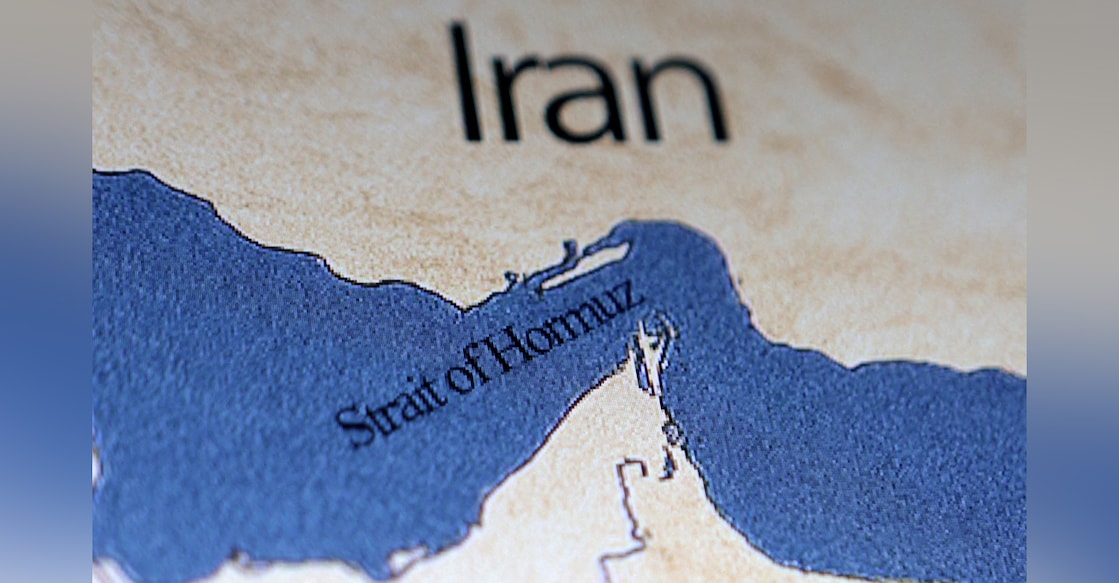
Iranian officials have threatened to close the Strait of Hormuz, citing alleged violations of recent ceasefire agreements by the United States and Israel. The move, which would affect a critical global maritime chokepoint responsible for transporting approximately one-fifth of the world’s petroleum consumption, follows a period of heightened tensions in the Middle East, according to reports from the Reuters news agency.
This development comes as diplomatic efforts to maintain regional stability face significant strain. Tehran’s leadership maintains that the terms of the recent cessation of hostilities in Lebanon have been breached by its adversaries. As an international journalist monitoring these geopolitical shifts, it is clear that the stability of global energy markets remains tied to the enforcement of these fragile diplomatic frameworks.
The Geopolitical Context of the Strait of Hormuz
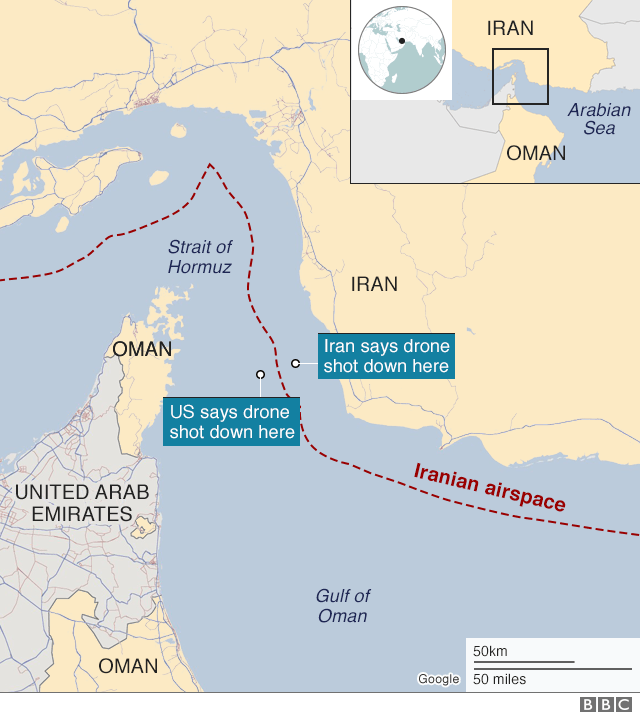
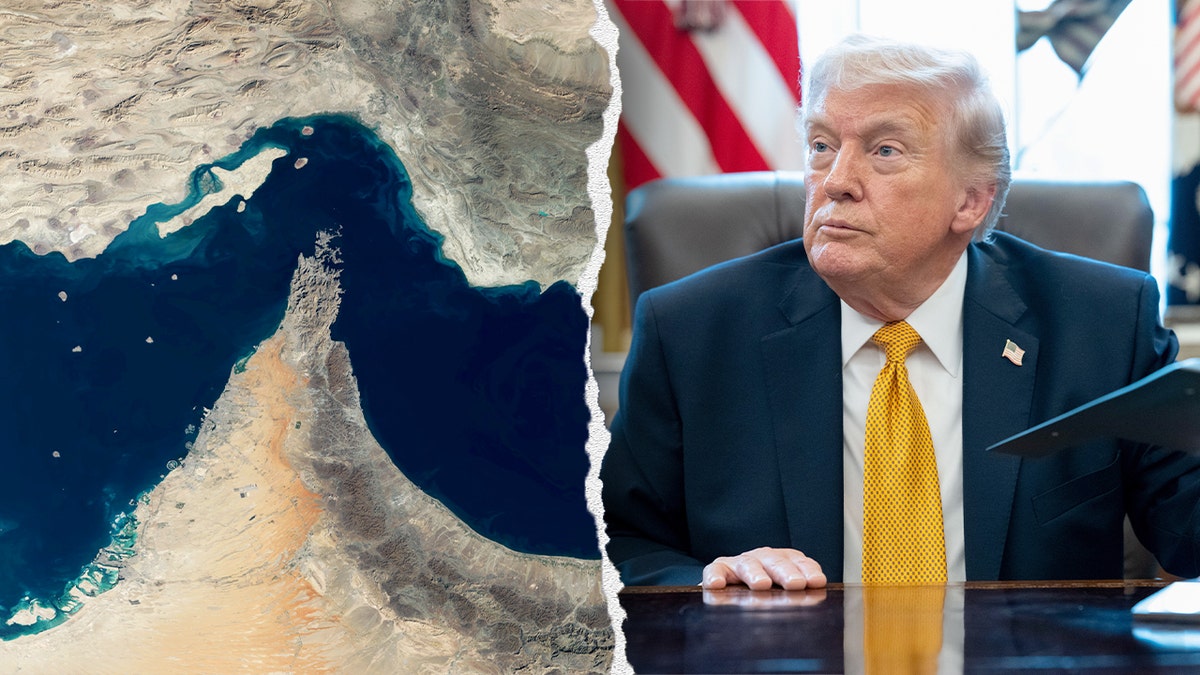
The Strait of Hormuz serves as the world’s most important oil transit chokepoint. According to the U.S. Energy Information Administration (EIA), daily oil flows through the strait averaged 21 million barrels per day in 2022, representing about 21% of global petroleum liquids consumption. Any disruption to this narrow waterway, which connects the Persian Gulf to the Gulf of Oman, carries immediate implications for global commodity pricing and supply chain security.

Tehran’s assertion that it might restrict transit through these waters is often characterized by analysts as a strategic lever used during periods of intense diplomatic friction. While Iran has frequently issued such warnings in response to international sanctions or military posturing, the current claim centers specifically on the implementation of recent ceasefire agreements, which Iran alleges have been undermined by U.S. and Israeli actions.
Analyzing Claims of Ceasefire Violations
The core of the current dispute lies in the interpretation of the terms governing the cessation of hostilities. Iranian officials have publicly stated that the actions of the United States and Israel are inconsistent with the commitments made during negotiations. Conversely, international observers and Western governments have often accused Iran of providing support to regional proxies, which complicates the verification of adherence to these international agreements.
According to the United Nations Security Council, which frequently monitors compliance with regional resolutions, the transparency of military movements remains a central point of contention. The difficulty in reconciling these competing narratives highlights the lack of a robust, third-party monitoring mechanism capable of mediating these disputes in real-time. Without such a framework, accusations of “agreement violations” often serve to escalate rhetorical threats rather than resolve underlying security concerns.
Regional Stability and International Impact
The impact of this rhetoric extends beyond the immediate parties involved. Global markets react sharply to threats involving the Strait of Hormuz, as any perceived risk to tankers increases insurance premiums and shipping costs. As reported by the Bloomberg terminal updates, market volatility often increases when diplomatic channels appear to be closing, regardless of whether a physical blockade is imminent.
For the international community, the challenge is to prevent these localized tensions from evolving into a broader conflict. The role of regional powers in facilitating dialogue has become increasingly vital, yet the current discourse suggests that both sides are hardening their positions. Observers remain focused on whether diplomatic channels can be restored before these verbal threats translate into tangible maritime interference.
What Happens Next
The next major checkpoint for this situation will be the upcoming session of the UN Security Council, where members are expected to discuss the status of existing regional ceasefire agreements. Stakeholders are also monitoring potential statements from the International Maritime Organization (IMO) regarding the safety of commercial shipping in the Persian Gulf.
Public access to official updates regarding these diplomatic sessions is available through the United Nations Press Office, which provides transcripts and summaries of council deliberations. As these developments unfold, the global community remains in a state of watchful waiting. We encourage our readers to participate in the conversation by sharing their insights or questions in the comments section below, as we continue to track these evolving events.