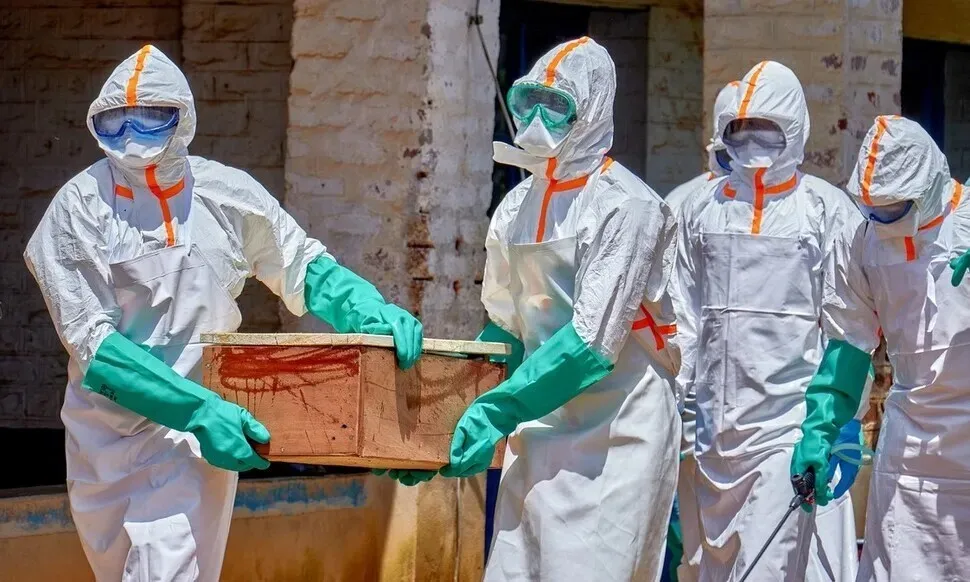
The Democratic Republic of the Congo (DRC) is facing a critical escalation in the ongoing Ebola outbreak, with health authorities reporting that at least 75 healthcare workers have contracted the virus. According to data tracked by the World Health Organization (WHO), 17 of those frontline medical professionals have died, highlighting the severe risks facing those tasked with containing the highly infectious disease in the region.
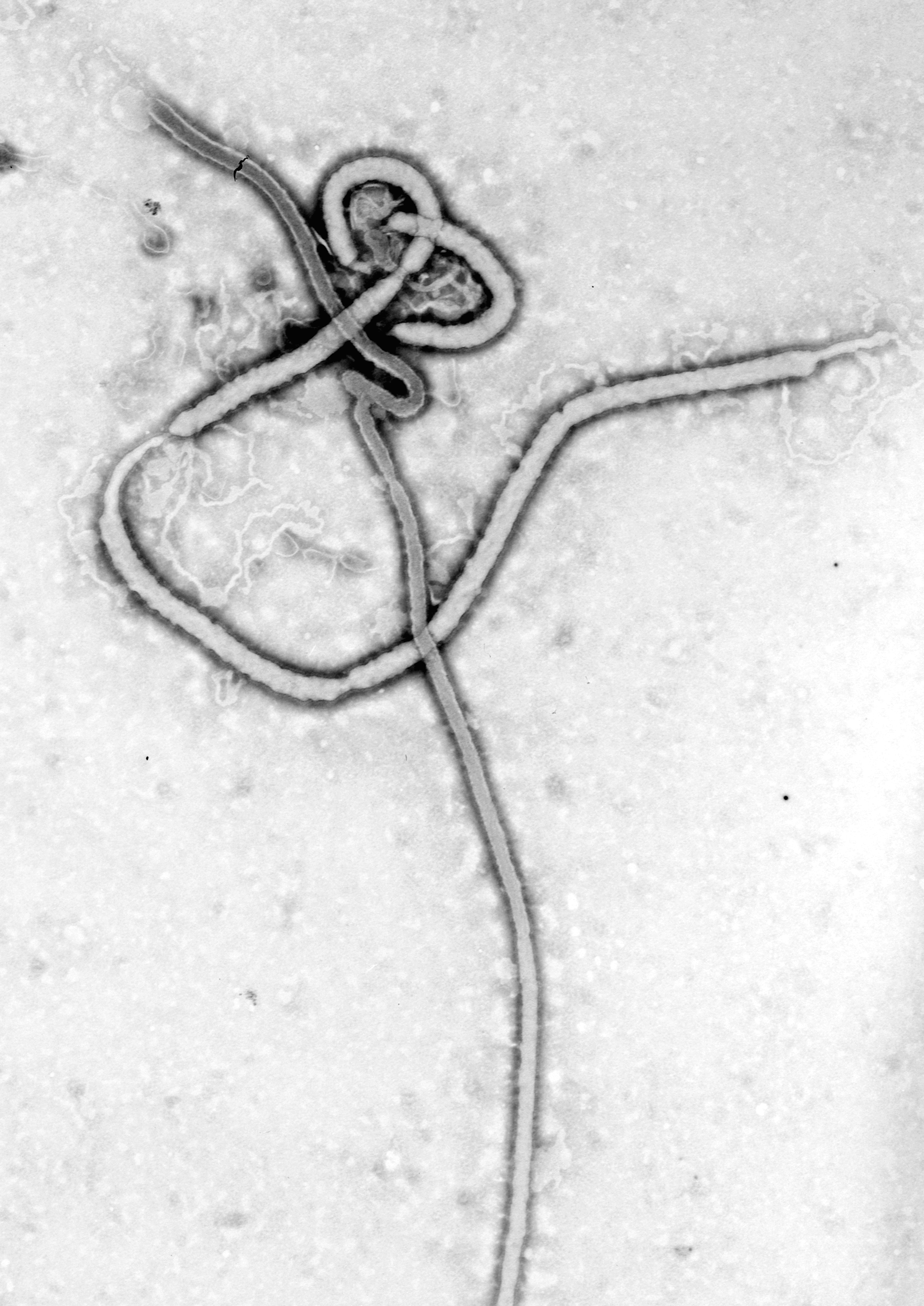
The infection of medical staff poses a significant challenge to the public health response, as the loss of trained personnel hampers the ability of local clinics to monitor contacts and provide essential care. The U.S. Centers for Disease Control and Prevention (CDC) notes that Ebola Virus Disease (EVD) remains a severe, often fatal illness in humans, typically transmitted through direct contact with the blood or body fluids of infected individuals. As the death toll from the current outbreak exceeds 200, international health agencies have emphasized that the success of containment efforts relies heavily on the safety and availability of the healthcare workforce.
Challenges in Containment and Contact Tracing
Public health experts have identified gaps in the surveillance system as a primary driver of the current transmission rates. Reports indicate that contact tracing efforts have faced significant obstacles, with some regions seeing only a small fraction of high-risk individuals successfully tracked and monitored. The World Health Organization emphasizes that rapid identification of contacts is the cornerstone of breaking the chain of transmission, yet insecurity and logistical barriers in the DRC continue to impede these efforts.
The low rate of contact tracing—often cited in reports as falling below 15% in some affected zones—means that many individuals potentially exposed to the virus remain in the community, unknowingly spreading the pathogen. This reality creates a compounding cycle: as hospitals become overwhelmed by new cases, the resources required for monitoring contacts are diverted, allowing the virus to spread further in urban and rural settings alike.
Risks to Healthcare Professionals
The high number of infections among medical staff is a direct reflection of the hazardous conditions within healthcare facilities. In many instances, clinics lack the necessary personal protective equipment (PPE) and rigorous infection control protocols required to handle hemorrhagic fevers safely. According to the WHO Regional Office for Africa, healthcare workers are at an exponentially higher risk of exposure due to the nature of their duties, particularly when dealing with patients who have not yet been isolated or diagnosed.
Beyond the lack of equipment, the psychological and physical exhaustion of the medical teams contributes to the likelihood of accidental exposure. When a healthcare worker falls ill, it not only represents a tragic loss of life but also triggers a temporary closure of facilities, further limiting access to essential medical services for the surrounding population. This creates a “secondary crisis” where the inability to treat Ebola leads to a rise in untreated cases of other preventable diseases, such as malaria or respiratory infections.
International Response and Quarantine Measures
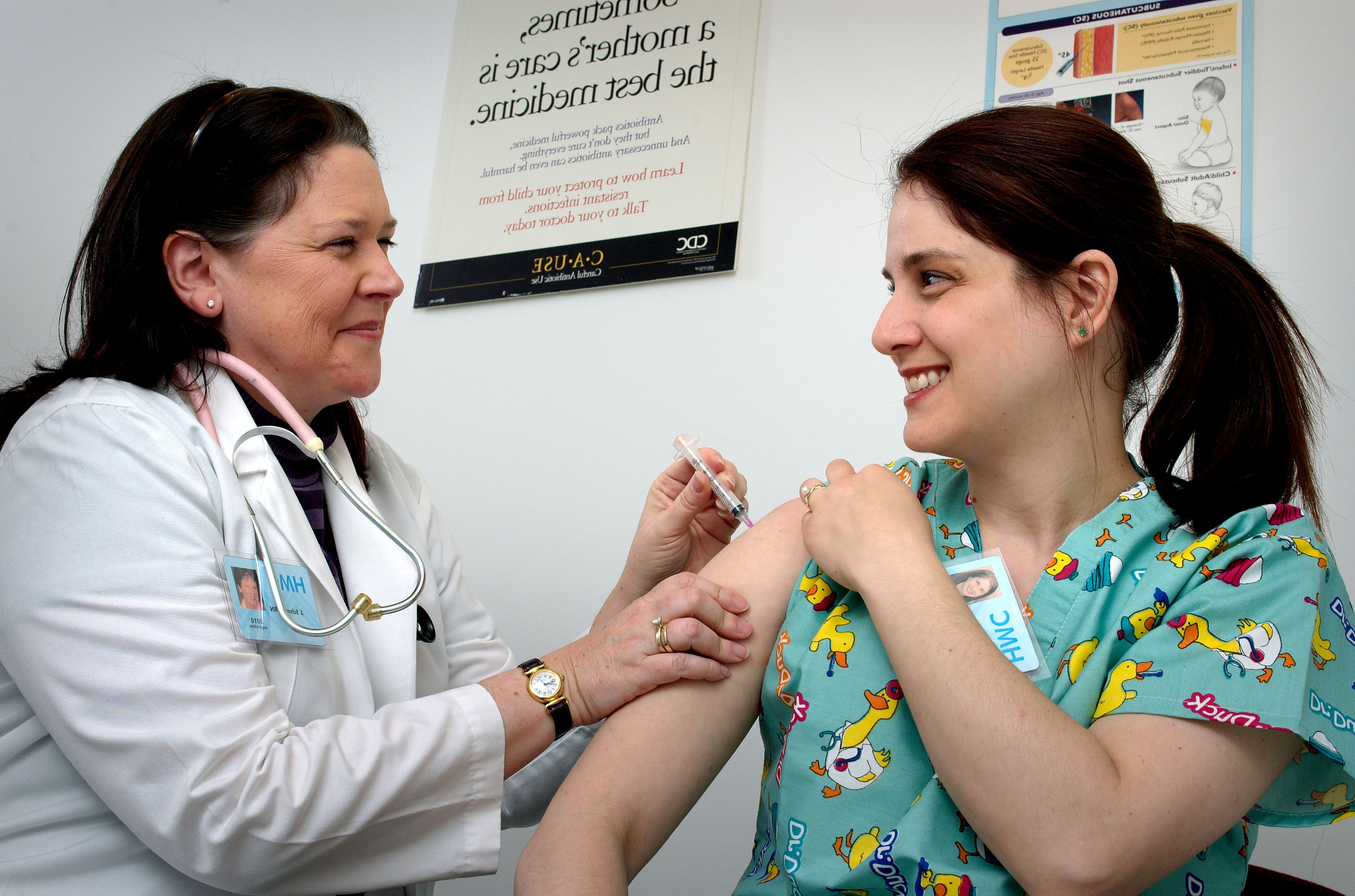
In response to the rising infection numbers, neighboring nations and international health bodies have bolstered screening and quarantine measures at borders. The World Health Organization continues to coordinate with the Congolese Ministry of Health to improve diagnostic capabilities and provide vaccination support to frontline workers. These measures are designed to act as a buffer, preventing the cross-border movement of the virus into more densely populated areas.
However, the effectiveness of these measures remains contingent on the sustained funding and cooperation of the international community. While vaccines and experimental treatments exist, their distribution in conflict-prone or remote areas of the DRC is subject to significant logistical strain. Global health authorities urge continued vigilance and are calling for increased investment in local medical infrastructure to protect staff and ensure that the current outbreak does not spiral into a wider regional crisis.
The situation remains fluid, with updates expected from the WHO Health Emergencies Programme as they monitor new case reports and the progress of current vaccination campaigns. We encourage our readers to stay informed through official updates from the World Health Organization and local health ministries. If you have questions or insights regarding the ongoing situation in the Democratic Republic of the Congo, please share your thoughts in the comments section below.
Related reading