
Google has officially transitioned its mobile software development cycle, moving beyond the traditional Android 15 and 16 iterations to focus on the integration of its Gemini artificial intelligence model within the core framework of the mobile operating system. This shift, often discussed in industry circles as the next phase of the Android evolution, centers on deeper silicon-level AI optimization and real-time generative capabilities, according to official Google Android developer disclosures.
The transition marks a significant departure from previous update cycles, which primarily prioritized UI refinements and battery efficiency. By embedding the Gemini model directly into the system layer, Google intends to enable context-aware computing that operates with lower latency than cloud-based alternatives, a move confirmed by the Android Open Source Project (AOSP) documentation. For users, this means the operating system can now process intent-based queries locally, reducing the reliance on external servers for basic task automation.
Integration of Gemini AI into the Android Framework
The core of this development is the “Gemini Nano” model, which is designed to run natively on mobile hardware rather than in the cloud. According to Google Cloud AI updates, this on-device execution is critical for user privacy and consistent performance in offline environments. By utilizing the Tensor Processing Unit (TPU) found in modern Pixel devices, the OS manages complex natural language processing tasks without consuming excessive battery life or requiring high-speed data connectivity.
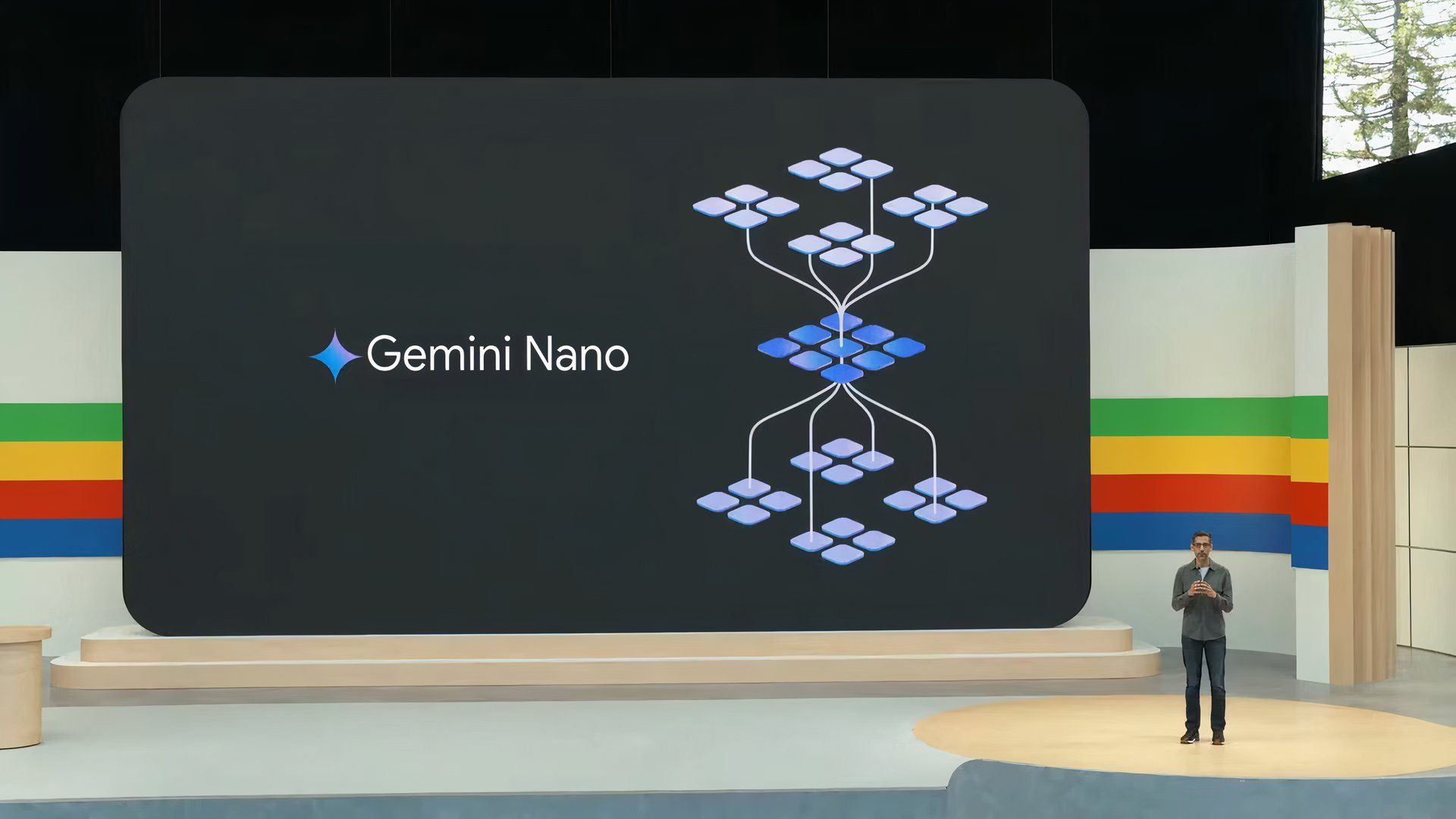
This architectural change allows for what Google describes as “System-wide AI orchestration.” Instead of a standalone app, the Gemini integration functions as a background service that interacts with the Android system APIs. This enables the phone to summarize long documents, transcribe audio in real-time, and suggest context-sensitive replies directly within any messaging or productivity application. Independent testing by Android Authority confirms that these features rely on the latest Neural Networks API updates, which were finalized during the most recent platform stabilization phase.
Impact on Hardware and Device Compatibility
The adoption of these advanced AI features is not uniform across the entire Android ecosystem. Because the Gemini integration requires specific hardware acceleration—specifically high-performance NPUs (Neural Processing Units)—older hardware may not support the full suite of features. As noted in the official Android version history, the shift toward these AI-heavy requirements necessitates a closer collaboration between Google and chipset manufacturers like Qualcomm and Samsung.
Samsung, in particular, has begun aligning its One UI interface with these core Android AI capabilities. According to Samsung Newsroom, the integration allows for seamless handoffs between device-based AI tasks and the broader Galaxy AI ecosystem. This synchronization ensures that users moving between different Android-based platforms experience a consistent set of generative AI tools, provided their hardware meets the minimum RAM and NPU thresholds established by Google’s latest security and performance guidelines.
Security and Open-Source Implications
The evolution of the Android platform continues to influence the open-source community, particularly projects like GrapheneOS. By maintaining a modular architecture, Google allows third-party developers to maintain security-focused forks while still benefiting from base-level OS improvements. However, the increasing complexity of AI-integrated kernels presents new challenges for developers who prioritize minimal background processes, as reported by GrapheneOS project updates regarding recent kernel hardening efforts.
Maintaining a balance between proprietary AI features and the open-source nature of the platform remains a priority for the Android team. Google has committed to keeping the core APIs accessible to developers, ensuring that the integration of Gemini does not create a “walled garden” that prevents third-party apps from utilizing the same underlying AI infrastructure. This commitment is detailed in the Android developer platform roadmap, which outlines the deprecation of legacy services in favor of these more efficient, AI-driven alternatives.
What Comes Next for Android Users
The next major checkpoint for these developments is the scheduled release of the next quarterly platform update (QPR), which typically introduces refinements to the system’s AI behavior and power management. Users can monitor the Android Beta Program portal for early access to these features. As Google continues to iterate on the Gemini integration, the primary focus will remain on stabilizing the local-processing overhead and expanding the number of languages supported for on-device transcription and translation.
If you have questions about how these updates affect your specific device model, please check your system settings for the latest security patch level or visit the official support pages for your manufacturer. We encourage our readers to share their experiences with the latest AI features in the comments section below.
Related reading