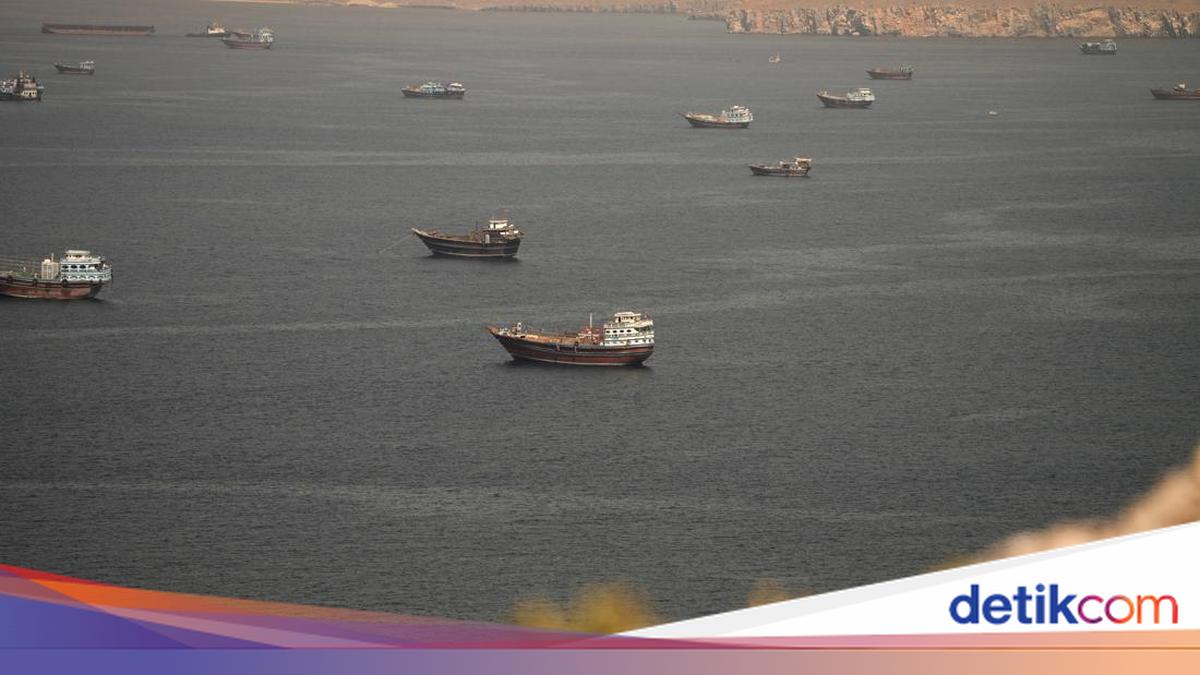
United States military officials are monitoring the Strait of Hormuz following reports of potential disruptions to global maritime traffic, though no official confirmation of a blockade has been provided by the Pentagon or regional authorities. The strait, a critical chokepoint for approximately 20% of the world’s petroleum consumption, remains a focal point of geopolitical tension as regional actors respond to ongoing conflicts in Lebanon and the broader Middle East.
While various media outlets have reported that Iran may have moved to close the waterway in response to Israeli military actions, the U.S. Department of Defense has not verified these claims. The lack of corroborating evidence from satellite tracking or naval intelligence has left international markets and shipping companies in a state of heightened vigilance. According to the U.S. Energy Information Administration, the Strait of Hormuz is the world’s most important oil transit chokepoint, with an average daily flow of 21 million barrels of oil moving through the narrow passage.
Status of Maritime Transit in the Persian Gulf
The current uncertainty stems from a series of conflicting reports regarding the status of the waterway. While some regional news agencies have suggested that Iran has restricted access to the strait as a protest against recent Israeli military operations in Lebanon, these reports remain unconfirmed by independent maritime security monitors. The Maritime Executive and other industry trackers have noted that commercial shipping continues to navigate the area, albeit with increased caution.
U.S. naval assets, specifically those operating under the U.S. Naval Forces Central Command (NAVCENT), maintain a persistent presence in the region to ensure freedom of navigation. Official statements from the Pentagon have consistently emphasized that the U.S. will continue to work with regional partners to deter threats to maritime security. The disparity between reports of a blockade and the observed movement of commercial vessels highlights the challenges of monitoring a high-stakes maritime corridor during periods of diplomatic volatility.
Strategic Importance of the Strait of Hormuz
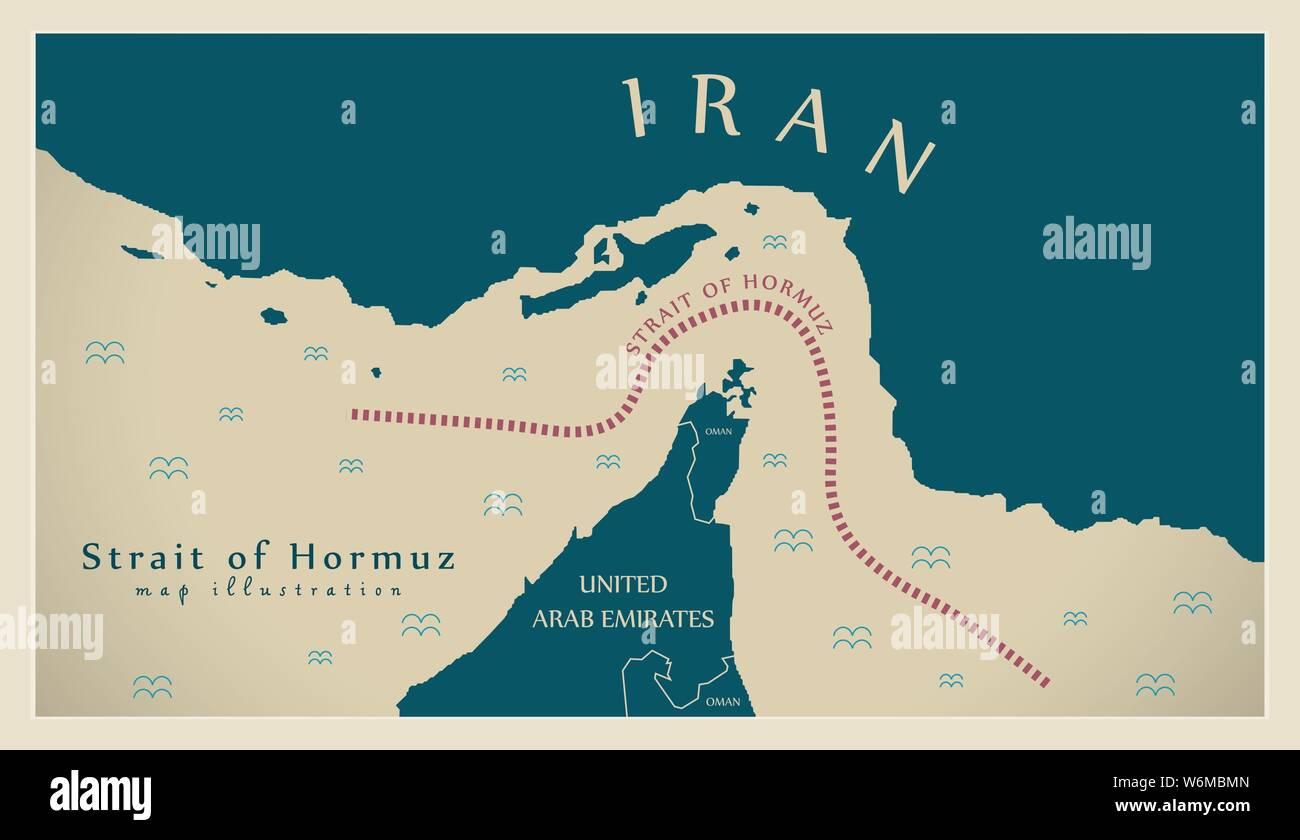
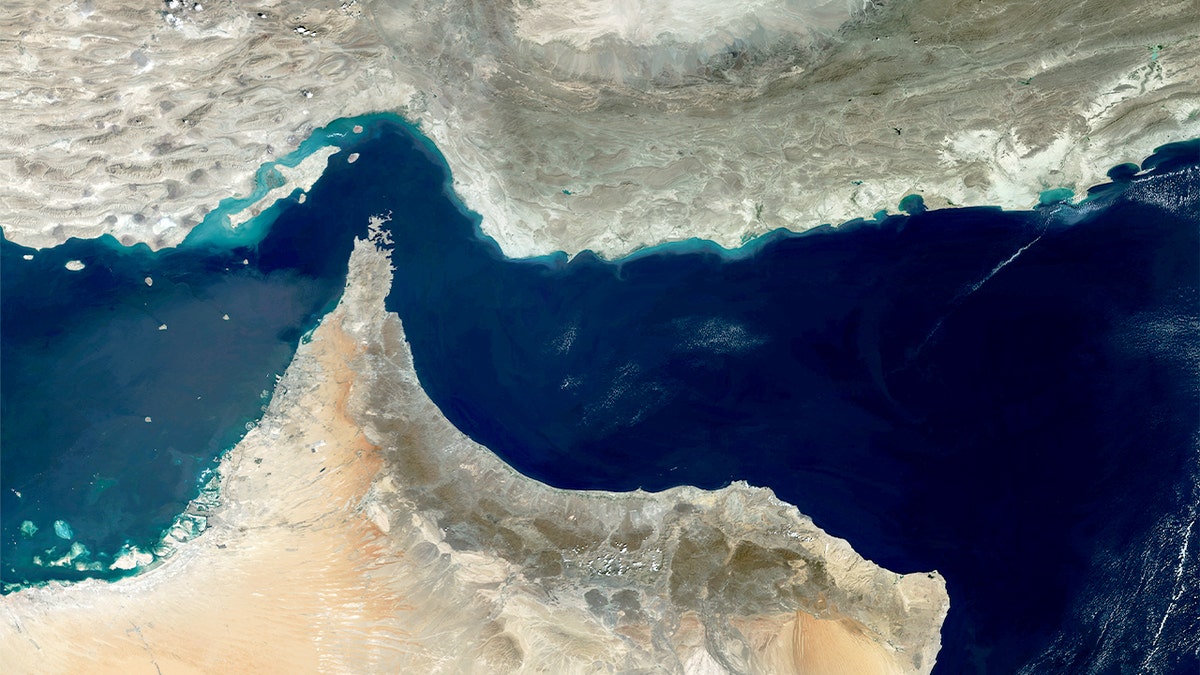
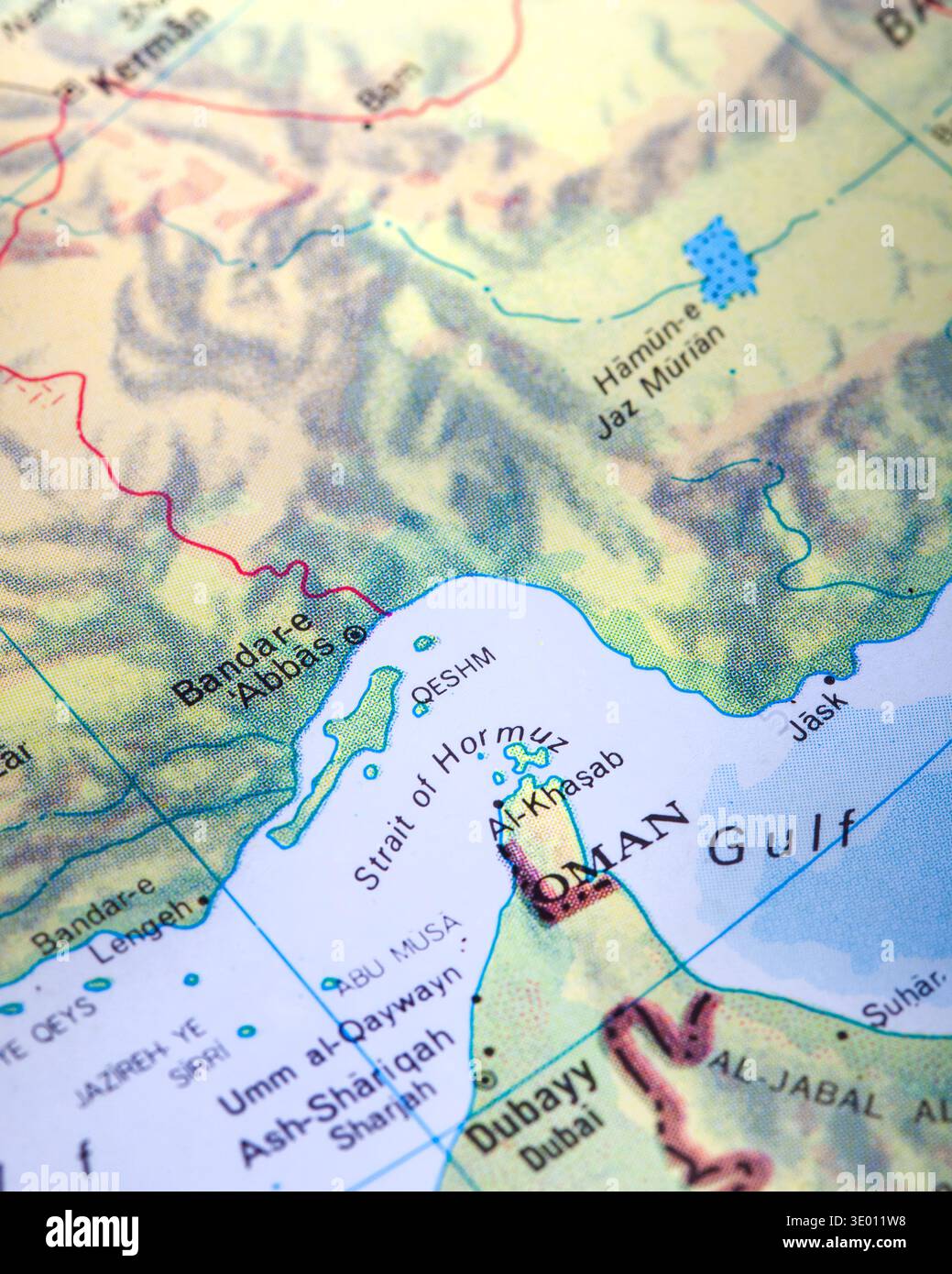
The Strait of Hormuz is a narrow passage between Oman and Iran that connects the Persian Gulf with the Gulf of Oman and the Arabian Sea. Its strategic value is defined by its role as the only sea passage from the Persian Gulf to the open ocean, making it an essential route for the energy exports of Saudi Arabia, Iran, the United Arab Emirates, Kuwait, and Iraq. Any meaningful disruption to this route would likely trigger significant volatility in global energy prices.
According to data from the International Energy Agency, the majority of oil exported through the strait is destined for Asian markets, including China, India, Japan, and South Korea. Because of this dependency, any threat to the transit route—whether perceived or actual—often results in immediate reactions from global commodity markets. Analysts frequently cite the “Hormuz risk premium,” which refers to the tendency for oil prices to rise during periods of political posturing involving the waterway.
Regional Tensions and Diplomatic Context
The reports of a potential closure coincide with heightened military activity involving Israel, Lebanon, and Iranian-backed proxies. The regional security architecture is currently strained by the ongoing conflict in Gaza and the subsequent escalation of hostilities along the Israel-Lebanon border. Tehran has historically used the threat of blocking the Strait of Hormuz as a strategic deterrent against international sanctions and military pressure.
However, international law, specifically the United Nations Convention on the Law of the Sea (UNCLOS), guarantees the right of “transit passage” through international straits. Any unilateral attempt to close the waterway would be viewed as a violation of international maritime norms and would likely trigger a robust response from the international community, including the United States and its allies. As of this writing, no formal notice to mariners (NOTAM) or official warnings from the International Maritime Organization (IMO) have been issued regarding a closure of the strait.
What Happens Next
The immediate outlook remains focused on official statements from the U.S. military and regional governments. Shipping companies are currently relying on real-time Automatic Identification System (AIS) data to track vessel movements, which remain active throughout the Persian Gulf. Observers expect that any concrete change in the status of the strait would be immediately reflected in maritime insurance premiums and direct communications from naval authorities to commercial captains.
Readers are advised to monitor updates from the U.S. Central Command (CENTCOM) for the most accurate information regarding regional naval operations. As geopolitical tensions continue to evolve, the global community remains tethered to the stability of this critical maritime artery. We will continue to track these developments as more verified information becomes available. We encourage readers to share their thoughts and follow our ongoing coverage of international security affairs.
Worth a look