
General Roberto Vannacci has emerged as a significant political force in Italy, drawing support from a segment of the electorate that previously aligned with the Five Star Movement (M5S). According to official results from the 2024 European Parliament elections, Vannacci secured over 530,000 preference votes as an independent candidate on the League party list, signaling a shift in traditional voter allegiances across the country, including the southern regions often referred to as the “fattore Sud.”
The transition of voters from the populist Five Star Movement to the military-backed platform of General Vannacci represents a notable realignment in Italian politics. Analysts suggest this migration is driven by a desire for a “strongman” figure capable of addressing national identity, security, and institutional reform, themes that defined Vannacci’s controversial book, Il mondo al contrario. While the Five Star Movement historically campaigned on anti-establishment rhetoric, Vannacci has repurposed this energy, positioning himself as an outsider who operates outside the traditional party apparatus despite his alliance with Matteo Salvini’s League.
The Shift in Voter Sentiment
Recent electoral data indicates that the appeal of the Five Star Movement has waned in several of its former strongholds, particularly in the south of Italy. The European Parliament election results confirmed that Vannacci’s candidacy acted as a magnet for voters disillusioned with the current political landscape. According to analysis published by the European Parliament’s election portal, the fragmentation of the protest vote has allowed figures like Vannacci to consolidate support among those who previously felt ignored by mainstream coalitions.
Vannacci’s campaign emphasized a return to national values, which resonated with voters who once viewed the Five Star Movement as the primary vehicle for political disruption. By framing his candidacy as a challenge to the status quo, he successfully captured the attention of a demographic that feels alienated by both the left-wing and the traditional center-right. This phenomenon is often discussed in the context of the “fattore Sud,” where regional economic concerns traditionally played a central role in M5S success but have now been supplanted by broader ideological appeals.
Political Strategy and Public Reception
The General’s approach to campaigning deviates from conventional political norms. Rather than relying on traditional party structures for grassroots mobilization, he utilized his public profile—gained largely through intense media coverage of his writings—to build a direct connection with his base. As reported by the Italian news agency ANSA, his ability to secure over half a million votes in the European contest established him as a singular force within the League, often overshadowing established party members.

This strategy has created tension within the political spectrum. Critics argue that his rhetoric, which often touches on sensitive social issues, is designed to provoke, while supporters view his stance as a necessary corrective to what they describe as “political correctness” in governance. The Reuters reporting on his nomination highlighted that his move into politics was met with both widespread controversy and a surge in popularity among those who believe the military and traditional institutions should play a more active role in public discourse.
What Happens Next in the Political Landscape
Following the European elections, the focus shifts to how the League will integrate Vannacci’s influence into its long-term policy goals. With his seat in the European Parliament secured, Vannacci is expected to continue his advocacy on issues related to national sovereignty and European institutional reform. The next major test for this political alignment will be how the League manages the competing interests of its traditional northern base and the new southern voters who were drawn in by Vannacci’s candidacy.
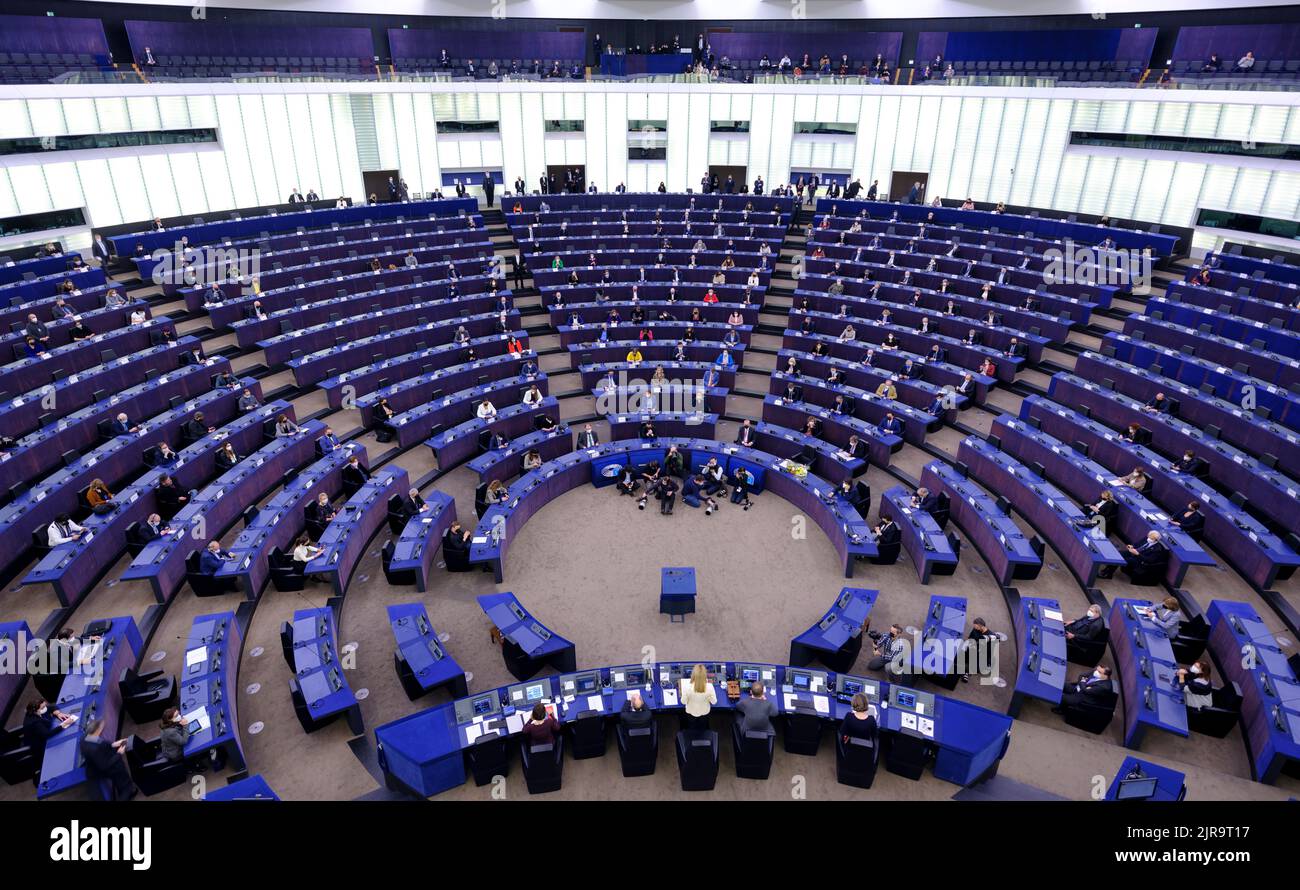
Official updates regarding his legislative activities and committee assignments in Brussels will be published on the official European Parliament website. As the political cycle continues, observers remain focused on whether this “five-star to five-star” voter migration is a permanent shift or a temporary protest movement. Readers are encouraged to monitor upcoming parliamentary sessions and party congresses for signs of how these new power dynamics will shape the future of the Italian government.
What is your take on the current political realignment in Italy? Share your thoughts in the comments section below.