The 2022 FIFA World Cup in Qatar marked a definitive turning point for international football, serving as the final tournament appearance for several of the sport’s most decorated figures. As athletes like Lionel Messi, Cristiano Ronaldo, and Luka Modrić navigated their concluding campaigns on the global stage, the event became as much a study in legacy management and high-stakes pressure as it was a sporting competition. According to FIFA official records, the tournament solidified the status of these veterans, even as internal team dynamics and commercial interests faced unprecedented public scrutiny.
For global football fans, the “last dance” narrative surrounding these icons was fueled by their pursuit of the only major trophy missing from their collective cabinets. While Messi ultimately secured the title with Argentina, the journey was punctuated by intense media attention regarding team cohesion and the intersection of personal branding with national duty. The persistent focus on their careers—spanning five World Cup appearances each—has fundamentally altered how sports media covers the transition of legendary players into their post-competitive roles in the global market.
Legacy and the Five-Tournament Milestone
The 2022 tournament placed Lionel Messi, Cristiano Ronaldo, and Andrés Guardado into an exclusive tier of athletes who have competed in five separate World Cup finals. This milestone, tracked by Opta Sports, highlights the physical longevity required to remain at the elite level for nearly two decades. The pressure to perform in what was widely acknowledged as a final attempt at the trophy created a unique psychological burden, often manifesting in heightened scrutiny of their leadership roles within their respective national squads.
The discussion surrounding these players often drifts into the realm of their commercial impact. During the lead-up to the event, much of the sports media focus centered on the off-field activities of the participating stars. From high-end luxury endorsements to the curated public images of national teams, the World Cup functioned as a massive stage for brand positioning. However, the contrast between the commercial narrative and the on-pitch reality remained a point of friction, particularly when team results failed to meet the expectations set by fans and sponsors alike.
Internal Dynamics and Team Cohesion
High-profile tournaments frequently expose the fragility of team chemistry when individual legacies become the central narrative. Reports from the BBC Sport archives during the 2022 period documented several instances where the focus on star players threatened to overshadow collective team objectives. In the case of the Portuguese national team, the shifting role of Cristiano Ronaldo became a focal point of intense media debate, illustrating the difficulty coaches face when managing a global icon whose influence may no longer align with tactical requirements.
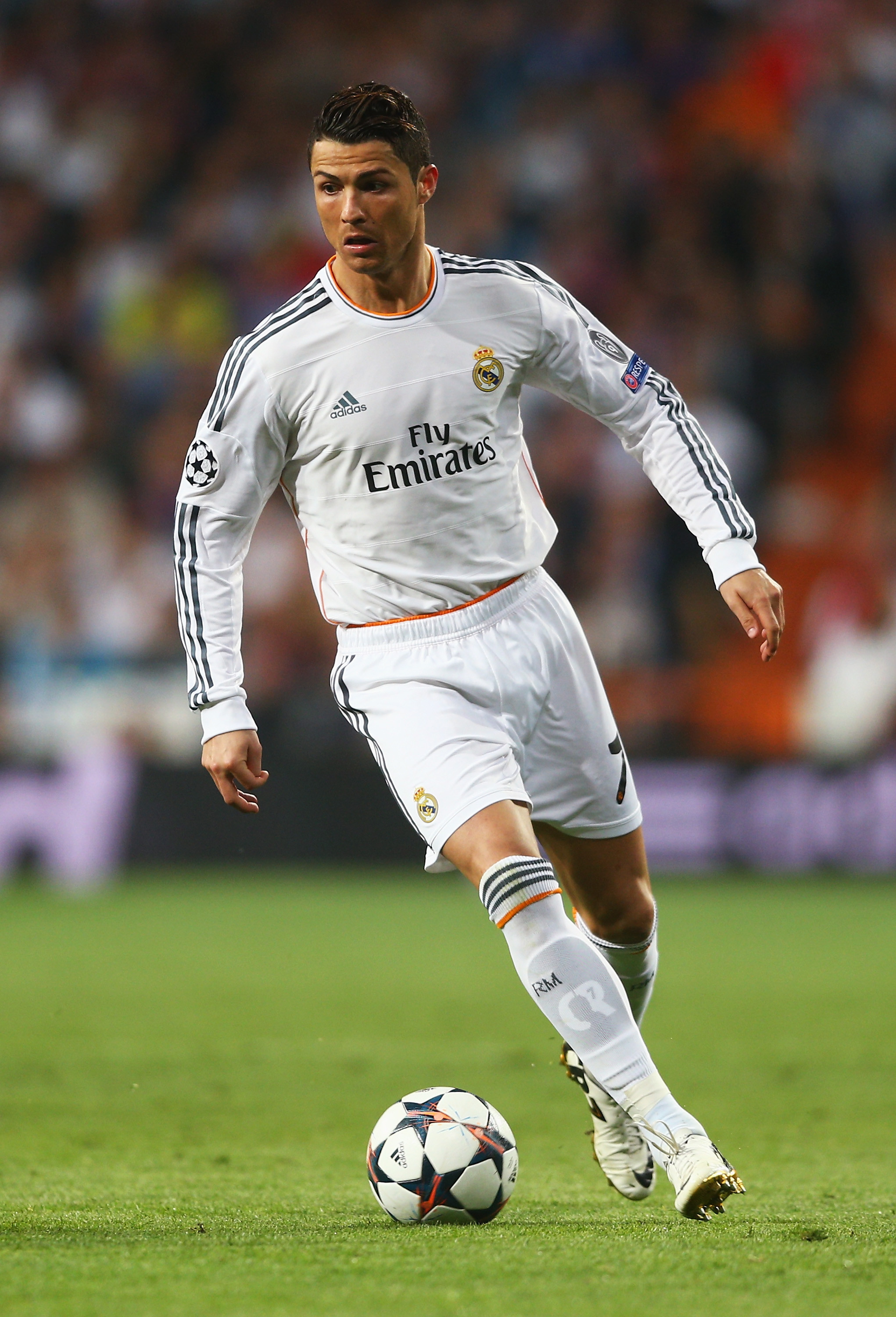
These internal tensions are rarely isolated. They often emerge from the collision of a player’s historical status with the evolving needs of a younger, more dynamic squad. When veterans are granted “privileges” or a level of deference that contradicts the meritocratic nature of professional sports, it can create friction. Analysts from Reuters Sports have noted that such dynamics often force national managers into difficult compromises, balancing the need for veteran experience against the requirement for tactical flexibility.
The Future of Football: Moving Beyond the “Big Three”
The post-2022 landscape has seen a shift in how the sport is consumed and valued globally. As Messi moved to Inter Miami in Major League Soccer and Ronaldo transitioned to the Saudi Pro League, the focus of global football shifted from the traditional European power centers. According to official league announcements tracked by ESPN, these moves represent a structural change in the industry, where individual player brands are now powerful enough to influence the international development of entire leagues.
This transition raises significant questions about the future of football as a geopolitical tool. The investment by states into football infrastructure—exemplified by the growth of leagues in the United States and Saudi Arabia—suggests that the influence of the “Big Three” era is being channeled into new, competing markets. Fans and stakeholders are now witnessing a fragmentation of the football landscape, where the legacy of these players serves as the primary engine for audience growth in emerging regions.
Understanding the Cultural Impact
The obsession with the “last dance” of these players is not merely a sporting phenomenon; it is a cultural one. In many ways, the choice of which player a fan supports has become an indicator of broader preferences, ranging from tactical appreciation to political alignment. Sociological analyses, such as those discussed in international sports reporting, suggest that the emotional investment in figures like Messi or Ronaldo mirrors the partisan nature of modern discourse.
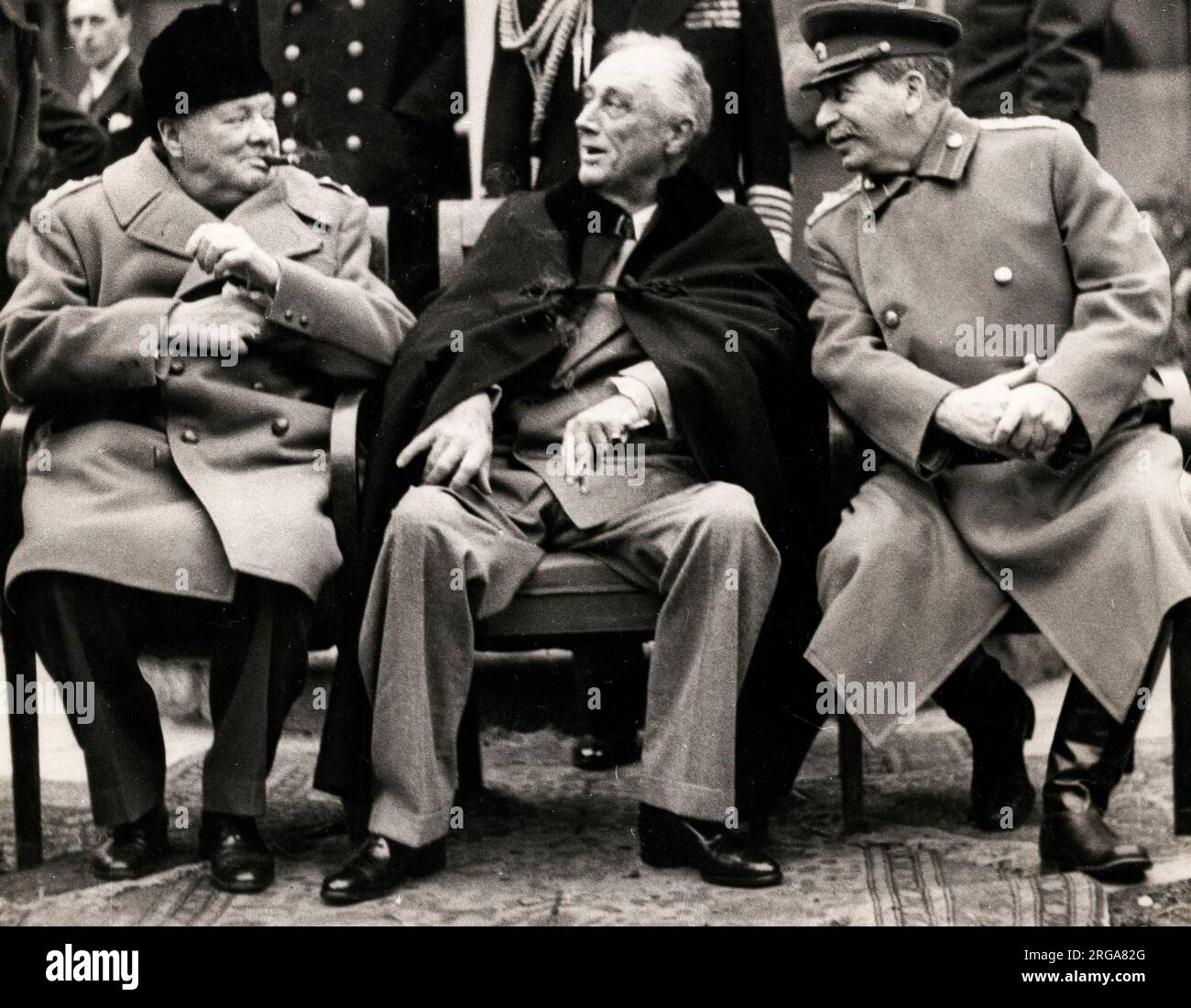
As the sport moves into its next chapter, the lessons from the 2022 World Cup remain clear: the value of a player is no longer defined solely by their performance on the pitch. It is defined by their ability to navigate the complex ecosystem of media, commerce, and national expectation. The legacy of these athletes will likely be measured by how they managed the decline of their competitive powers in an era that demands constant, high-level output.
For those tracking the ongoing evolution of these careers, the next major checkpoint will be the 2026 FIFA World Cup, which will be jointly hosted by Canada, Mexico, and the United States. While the era of the “Big Three” as the primary focus has largely concluded, the influence of their final years continues to shape the strategies of national federations and club owners worldwide. Stay tuned to our sports desk for further analysis on how these structural changes affect the qualification cycles for 2026. Join the conversation in the comments section below to share your perspective on the changing face of global football.