
California drivers continue to face the highest gasoline prices in the United States, despite a recent de-escalation in geopolitical tensions between the U.S. and Iran that initially sparked fears of global supply disruptions. According to data from the American Automobile Association (AAA), California’s average price per gallon remains significantly above the national average, a trend driven by state-specific environmental regulations and unique fuel blending requirements rather than immediate international market fluctuations.
The persistence of these elevated costs highlights a disconnect between global crude oil benchmarks—which often react sharply to news of Middle Eastern stability—and the retail prices at the pump in the Golden State. While geopolitical news can influence the cost of Brent crude, California’s market is insulated by its isolated supply chain and the strict mandates of the California Air Resources Board (CARB), which requires a specific “summer blend” of fuel to reduce smog.
Why California Gas Prices Remain Elevated
California’s fuel market operates under a distinct set of economic pressures that keep prices higher than in neighboring states like Arizona or Nevada. The primary factor is the state’s motor vehicle fuel tax, which is among the highest in the nation. This tax, combined with the costs associated with producing the unique, cleaner-burning fuel required by state law, creates a price floor that global market shifts struggle to penetrate.
Furthermore, California is an “energy island.” The state relies on a limited number of regional refineries that are specifically equipped to produce the state’s proprietary blend. If one of these refineries undergoes maintenance or experiences an unplanned outage, the state cannot easily import fuel from other regions, leading to immediate supply tightening and price spikes. This structural limitation means that even when the threat of conflict in the Middle East eases, California consumers see little to no relief at the pump.
Geopolitics vs. Local Market Dynamics
Market analysts often track the price of Brent crude as a proxy for the health of global oil supplies. When tensions with Iran rise, analysts typically forecast higher retail prices due to the potential for blockades in the Strait of Hormuz. However, the impact on California is often delayed or muted because the state’s retail prices are heavily weighted by state taxes, cap-and-trade program costs, and localized distribution logistics.
Data from the U.S. Energy Information Administration (EIA) confirms that regional disparities in the U.S. are largely a result of state-level policy and infrastructure constraints. While a national cooling of oil prices may provide a minor buffer, it is rarely enough to offset the structural premiums paid by California drivers. In effect, the state’s transition to cleaner energy standards carries a long-term cost that remains embedded in the price of every gallon sold.
The Impact of the California-Arizona Price Gap
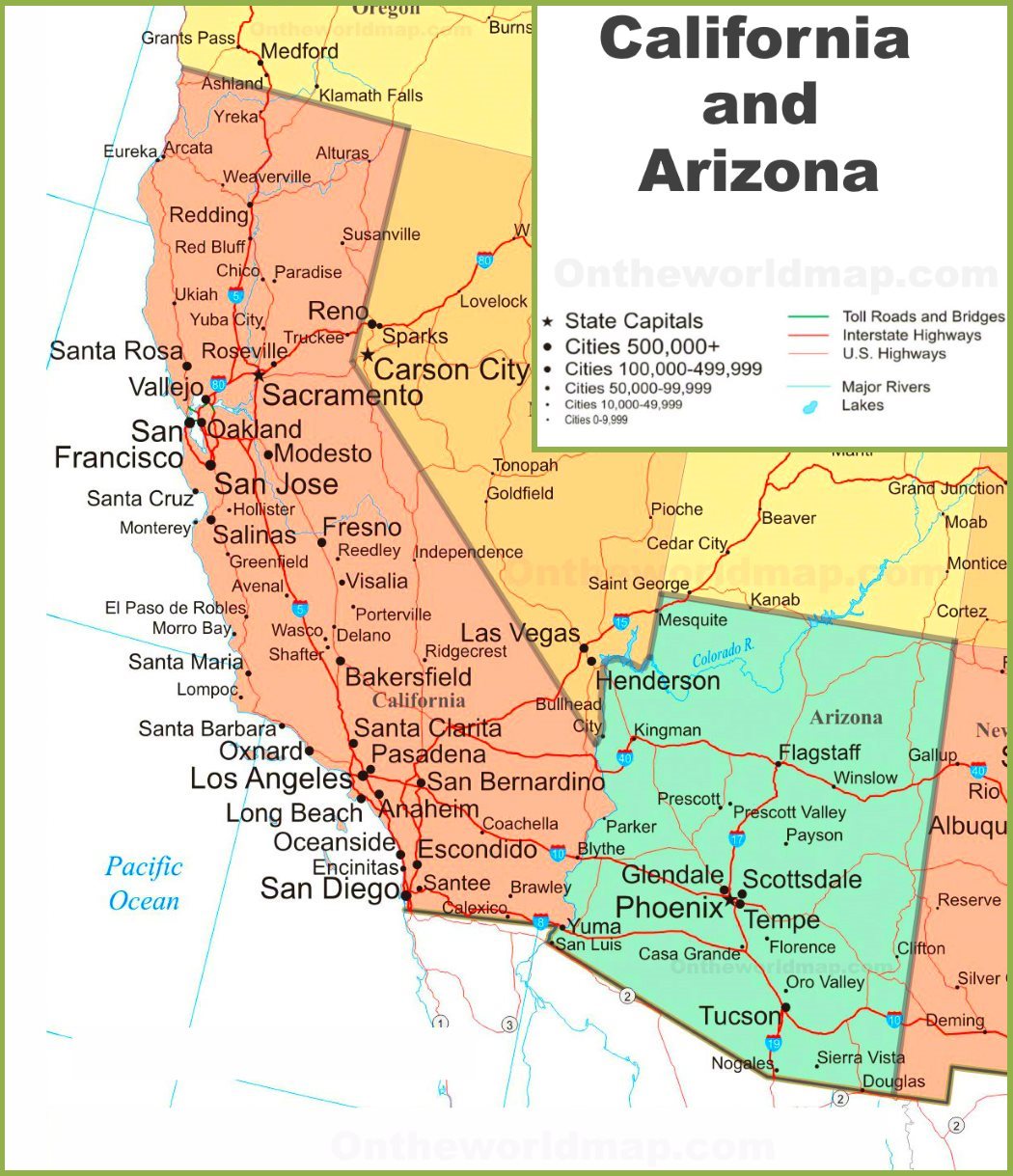
The price discrepancy is most visible for commuters traveling across the border between California and Arizona. Drivers frequently encounter price differences of several cents—or even dollars—per gallon depending on the proximity to the state line. This border effect is a localized illustration of how divergent state tax policies and supply chain regulations manifest in the daily lives of residents.
While Arizona benefits from different supply routes and a lower tax burden on fuel, California’s legislative commitment to reducing carbon emissions remains the defining variable in its energy economy. For the average driver, this means that even if global oil markets stabilize, the “California premium” is likely to remain a permanent fixture of the regional economy until significant changes are made to the state’s refining capacity or tax structure.
What Happens Next for California Drivers
The next major checkpoint for fuel prices will be the seasonal transition in fuel blending requirements, which typically occurs twice a year. The California Air Resources Board monitors these transitions closely to ensure compliance with air quality standards. Any unexpected regulatory shift or refinery maintenance cycle will be reported in the upcoming monthly updates from the California Energy Commission.
Drivers looking for the most current pricing information are encouraged to check official state portals or use verified fuel-tracking apps that pull real-time data from local stations. The volatility of the market remains high, and consumers should expect continued fluctuations based on regional supply levels rather than just international headlines.
Have you noticed significant changes in fuel prices at your local station? Share your observations or questions in the comments section below.