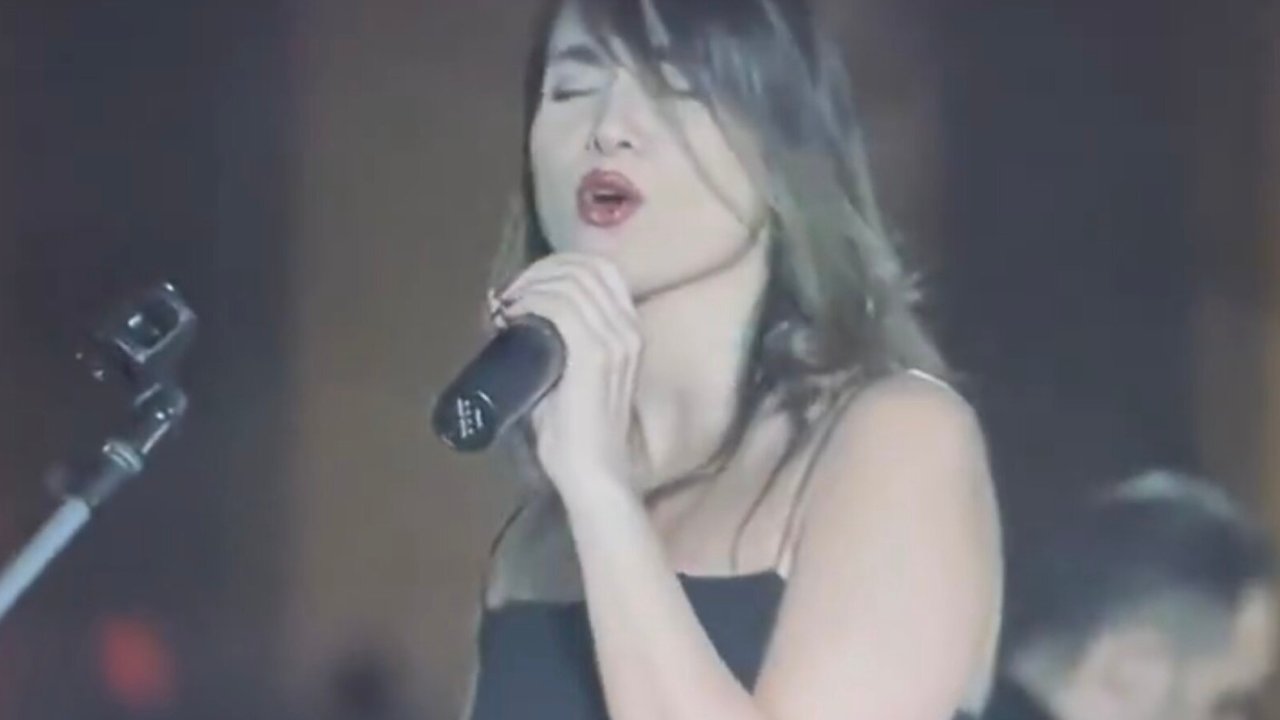
An Iranian court has sentenced popular singer Shervin Hajipour to 74 lashes and a prison term, following a legal process linked to his artistic output and public appearances. The sentencing follows a broader pattern of judicial action against artists in Iran, where authorities maintain strict enforcement of laws governing public conduct, including the mandatory hijab policy for women and the regulation of musical performances.
According to reports verified by international human rights organizations and news agencies, the judicial proceedings against Hajipour and several accompanying musicians center on a musical performance that was shared online. The charges, which include “propaganda against the system” and “encouraging people to commit immorality,” reflect the Iranian judiciary’s ongoing application of its penal code to restrict unauthorized cultural activities. The sentence of 74 lashes is a prescribed corporal punishment under the Iranian Islamic Penal Code for certain moral offenses, as detailed by the United Nations Office of the High Commissioner for Human Rights.
Legal Context and Judicial Rulings
The sentencing of Shervin Hajipour is part of a series of legal actions taken by the Iranian state against artists who have expressed dissent or operated outside of state-sanctioned cultural guidelines. The 74 lashes mandated by the court are consistent with the Islamic Penal Code of Iran, which allows for corporal punishment for a variety of offenses categorized as “crimes against public morality.”
Legal observers note that these prosecutions often follow public performances where participants fail to adhere to the strict dress codes enforced by the “Morality Police” or other state security apparatuses. In the case of Hajipour, the authorities cited the content of his performances and the lack of compliance with hijab regulations during his public appearances. These actions are frequently reviewed by the Human Rights Watch, which documents the intersection of artistic expression and state-enforced social policies in the country.
Public Reaction and International Scrutiny
The sentencing has drawn significant attention from global human rights advocates and the Iranian diaspora. The use of corporal punishment for artistic expression has been a recurring point of contention between the Iranian government and international bodies such as the United Nations. Critics argue that the application of such sentences is intended to silence cultural figures who have become symbols of broader social movements within Iran.
While the Iranian judiciary maintains that these rulings are necessary to uphold the legal and moral fabric of the nation, the international community continues to monitor these cases closely. The focus remains on the treatment of individuals like Hajipour, who serve as high-profile examples of the state’s reach into the private and creative lives of its citizens. The lack of transparency in these trials—often held behind closed doors—makes independent verification of the specific court documents difficult, though the consistency of the sentencing across multiple similar cases confirms the state’s policy trend.
Understanding the Enforcement of Conduct Policies
To understand why these sentences occur, it is necessary to look at the legal framework governing public performance in Iran. Artists are required to obtain government permits for public concerts, and all content is subject to review by the Ministry of Culture and Islamic Guidance. Performances that bypass this censorship, or that feature women not wearing the hijab, are routinely flagged by the U.S. Department of State’s Country Reports on Human Rights Practices.
.svg "Understanding the Enforcement of Conduct Policies")
The enforcement of these policies is not limited to the performers themselves. Often, the technical crews, event organizers, and even the platforms hosting the content—such as YouTube or Instagram—become subjects of state scrutiny. This creates an environment where cultural production is heavily restricted, and the consequences for non-compliance are severe, ranging from heavy fines and professional bans to corporal punishment and long-term imprisonment.
What Happens Next
As of the most recent reports, the legal status of the sentence remains subject to the appeals process within the Iranian court system. While the initial ruling has been delivered, legal counsel for artists in similar positions often seek stays of execution or sentence commutations through higher judicial chambers. However, the success rate of such appeals in cases deemed “political” or “anti-regime” by the judiciary is historically low.
The international community, including bodies like the PEN International, continues to call for the protection of freedom of expression for Iranian artists. Readers interested in following the developments of this case should monitor official statements from international human rights monitors and verified legal advocacy groups for updates on the implementation of these sentences or any potential judicial reviews.
We invite you to join the conversation in the comments section below. How do you view the role of artistic expression in challenging state policies? Please share your thoughts and help us keep the discussion informed and respectful.
Keep reading