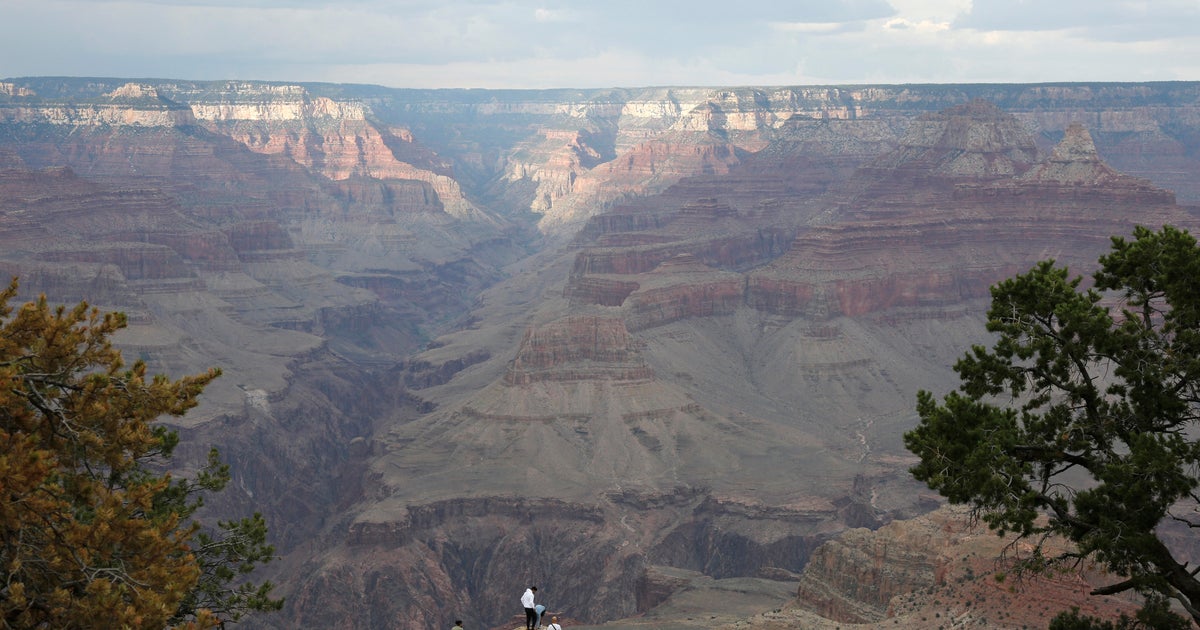
Three hikers have died in Grand Canyon National Park within a single week as temperatures on the canyon floor surged to 109 degrees Fahrenheit, prompting urgent safety warnings from federal officials. According to the National Park Service, the extreme heat conditions have created life-threatening environments for visitors, particularly on the inner canyon trails where temperatures can fluctuate significantly from the cooler rim.
The recent fatalities highlight the persistent risks associated with desert trekking during peak summer months. Park authorities have confirmed that the individuals were hiking during a period of sustained, dangerous heat. While investigations into the specific circumstances of each death are ongoing, the proximity of these incidents has renewed focus on the physical toll of extreme temperatures on aging populations and the necessity of adhering to established safety protocols when traversing high-risk environments.
Understanding the Risks of Extreme Heat in the Grand Canyon
The Grand Canyon is characterized by a stark microclimate system. As hikers descend from the South Rim into the inner canyon, temperatures typically rise by approximately 5.5 degrees Fahrenheit for every 1,000 feet of elevation loss. This means that a relatively mild morning at the rim can quickly transform into a hazardous, triple-digit heat event at the bottom of the gorge. According to the National Park Service, the inner canyon is often 20 degrees hotter than the rim, a disparity that frequently catches unprepared visitors off guard.
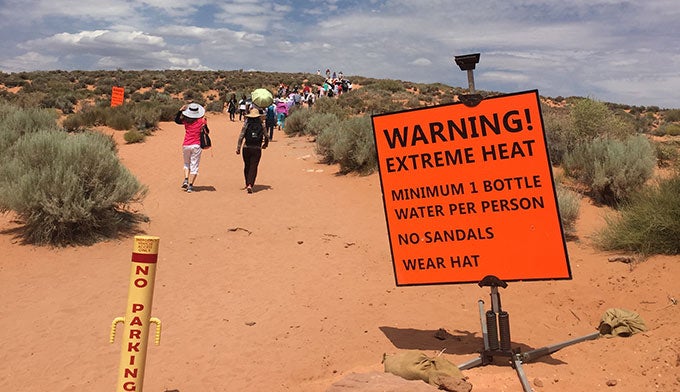
Heat-related illnesses, such as heat exhaustion and heat stroke, can manifest rapidly. Symptoms include dizziness, nausea, and confusion, which can impair a hiker’s ability to make rational decisions about turning back or seeking shade. Medical experts emphasize that physiological cooling mechanisms, such as sweating, become less effective in the high-temperature, low-humidity environment of the canyon. This leads to rapid dehydration and electrolyte imbalances, which are particularly dangerous for elderly hikers who may have underlying health conditions that reduce their body’s capacity to regulate temperature.
Current Safety Mandates and Official Guidance
In response to the recent fatalities and the ongoing heat wave, the National Park Service has issued specific directives for all visitors. Officials are strongly advising hikers to avoid the inner canyon trails between 10 a.m. and 4 p.m., the period when solar radiation and ambient temperatures reach their peak. These hours are considered the most dangerous for physical exertion.
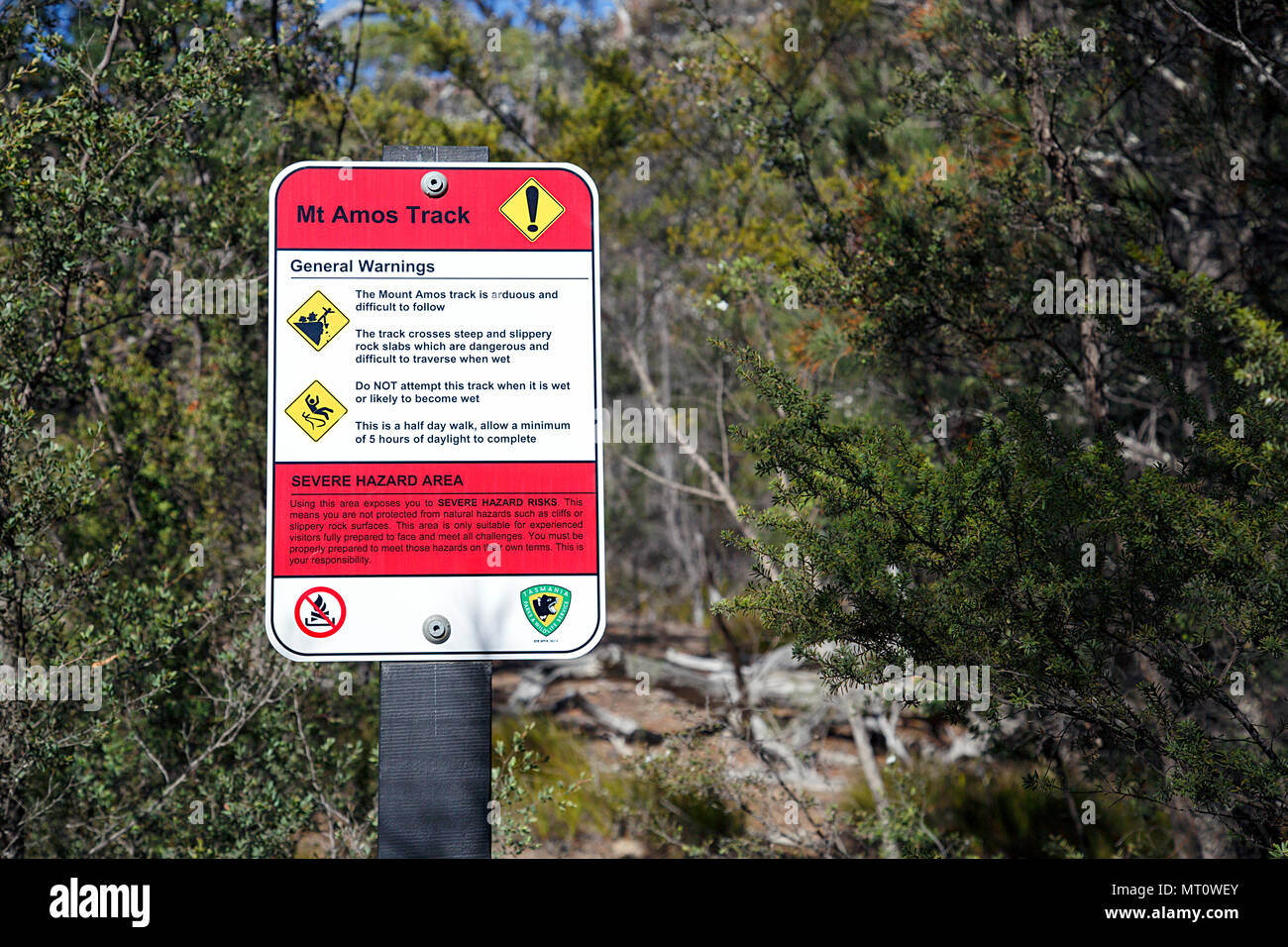
The park’s official safety guidance includes several critical recommendations for those planning to enter the canyon:
- Monitor Weather Advisories: Hikers must check the latest forecast and park alerts before beginning any descent.
- Hydration and Electrolytes: Carrying sufficient water is essential, but it must be balanced with the intake of salty snacks to maintain electrolyte levels.
- Pacing: Experts advise that hikers should not attempt to hike from the rim to the river and back in a single day, regardless of fitness level.
- Recognition: If a member of a hiking party shows signs of heat stress, the entire group should stop immediately, find shade, and initiate cooling measures.
Comparative Analysis of Environmental Hazards
The current situation in the Grand Canyon reflects a broader trend of increased heat-related risks in United States national parks. Data from the National Park Service indicates that heat is a leading cause of search and rescue operations during the summer. While younger, more athletic hikers often assume they are immune to these conditions, the recent deaths underscore that environmental factors—specifically the extreme, trapped heat of the inner canyon—can overwhelm even experienced outdoor enthusiasts.
Public safety records show that the combination of steep terrain and extreme heat creates a “trap” for hikers who underestimate the time required to climb back to the rim. Unlike flat-ground hiking, the return trip from the Grand Canyon is almost entirely uphill, requiring a sustained physical output that can lead to rapid heat accumulation. Authorities continue to emphasize that the canyon is not a traditional mountain environment, and the lack of shade and water sources on many trails makes it an unforgiving landscape during the mid-summer months.
What Happens Next
The National Park Service continues to monitor trail conditions and will provide updates on closures or additional restrictions as necessary. Families of the deceased have been notified, and rangers are conducting follow-up investigations to determine if specific trail conditions or medical emergencies were the primary factors in each case. Visitors planning trips to the region are encouraged to check the official park website regularly for real-time updates on weather, trail accessibility, and emergency alerts. As the summer season progresses, park officials maintain that the best way to prevent further tragedies is to strictly adhere to the “no-hike” window during the hottest parts of the day.
We invite our readers to share their experiences with desert hiking safety or their thoughts on how national parks can better communicate these risks in the comments section below. Your insights may help others prepare more effectively for their own excursions.