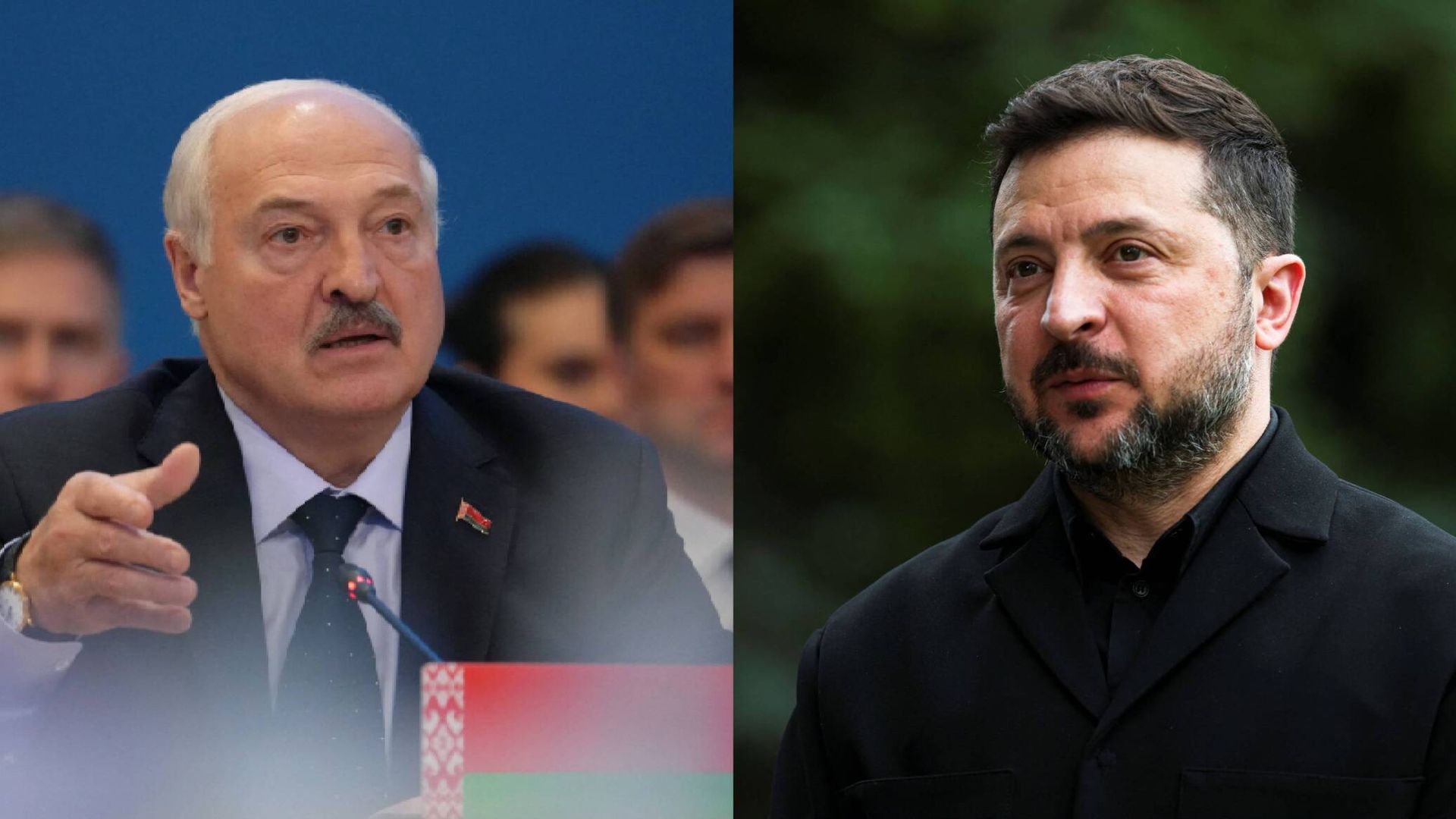
Ukrainian President Volodymyr Zelenskyy has issued a demand for Belarus to remove Russian military equipment from its territory that is being used to facilitate drone attacks against Ukraine. The ultimatum follows mounting evidence that Belarusian infrastructure and airspace are being utilized to launch or support Russian unmanned aerial vehicle (UAV) operations. Kyiv is seeking the immediate withdrawal of these assets to mitigate the frequency and intensity of strikes on Ukrainian civilian and military targets.
The demand comes as Ukraine increases its focus on the “northern front,” where the proximity of the Belarusian border poses a constant threat to Ukrainian cities like Chernihiv and Sumy. By pressuring President Alexander Lukashenko to distance his administration from these specific technical operations, Kyiv aims to disrupt the logistics of the Russian drone campaign.
Why is Ukraine demanding the removal of equipment from Belarus?
The core of the ultimatum involves the presence of hardware and technical support systems within Belarus that enable Russian drone strikes. While Belarus has officially maintained a stance of neutrality, Ukrainian intelligence and military officials have documented the use of Belarusian territory for drone-related activities. This includes the potential use of ground control stations, electronic warfare (EW) units, and specialized launch infrastructure that assists Russian UAVs in navigating Ukrainian airspace.
According to reports from the Ukrainian military intelligence, the integration of Russian and Belarusian military assets has reached a level where the distinction between the two forces is increasingly blurred. Ukraine argues that the presence of this equipment constitutes a direct violation of international norms and a participation in the ongoing invasion. The ultimatum seeks to force a choice: either Belarus must cease its logistical support for these specific drone operations or face escalated diplomatic and potentially kinetic consequences from Kyiv.
The urgency of the demand is tied to the changing nature of the drone war. Russia has increasingly relied on long-range “suicide” drones, such as the Shahed-series, to bypass traditional air defenses. These drones often utilize low-altitude flight paths that can be facilitated by radar-shielding or launch-support equipment located in neighboring Belarus.
How are Russian drones operating through Belarusian territory?
The operational use of Belarusian territory by Russian forces generally falls into three categories: airspace transit, launch support, and electronic warfare assistance. While the use of Belarusian airspace by Russian missiles and drones has been documented since the initial invasion in February 2022, the more recent focus is on the physical equipment stationed on Belarusian soil.
Technical analysts suggest that the equipment in question may include:
- Ground Control Stations (GCS): Facilities that allow operators to pilot drones or manage flight paths via satellite or radio links.
- Electronic Warfare (EW) Suites: Systems designed to jam Ukrainian air defenses or protect Russian drones from being intercepted by Ukrainian electronic countermeasures.
- Logistical Hubs: Storage and maintenance facilities for drone components and fuel, located near the border to reduce the transit time for Russian assets.
The presence of these assets allows Russian drones to enter Ukrainian airspace with a higher degree of survivability. By utilizing Belarusian radar and EW support, Russian UAVs can potentially mask their approach, making it harder for Ukrainian early-warning systems to detect them before they reach their targets. This technical advantage has directly contributed to the success of various deep-strike missions targeting Ukrainian energy infrastructure.
What are the implications for Belarusian-Russian military cooperation?
The ultimatum highlights the deepening military integration between Minsk and Moscow. Since 2022, Belarus has transitioned into what many analysts describe as a “de facto” extension of the Russian military apparatus. This integration is codified through the “Union State” agreement, which provides a framework for shared military doctrine, joint exercises, and coordinated defense policies.
For President Alexander Lukashenko, the presence of Russian equipment in Belarus is a double-edged sword. While it provides a security umbrella from the Kremlin, it also makes Belarus a legitimate target for Ukrainian retaliation. The demand from Zelenskyy places Lukashenko in a difficult position: complying with the ultimatum would involve a visible break from Russian military assistance, whereas ignoring it risks further isolation from the West and potential direct military pressure from Ukraine.
The geopolitical stakes extend beyond the immediate border. The European Union and NATO have already imposed extensive sanctions on Belarus in response to its role in the war. If Belarus continues to host equipment used for drone attacks, the likelihood of even more stringent economic measures and increased NATO presence on the borders of Poland, Lithuania, and Latvia remains high.
Comparison of Belarusian Involvement in the Conflict
| Feature | 2022 Operations | 2024 Operations |
|---|---|---|
| Primary Role | Direct launch site for missiles and ground troops. | Logistical and technical support for UAV operations. |
| Military Presence | Massive troop concentrations near the border. | Integrated EW and drone-support infrastructure. |
| Diplomatic Status | Active participant in the initial invasion. | “Neutral” facilitator of Russian military logistics. |
| Ukrainian Stance | Direct combatant status. | Facilitator of drone strikes and airspace violations. |
What is the expected timeline for a response from Minsk?
As of now, the Belarusian government has not issued a formal response to the specific ultimatum regarding drone equipment. Historically, Minsk has ignored or downplayed Ukrainian accusations of direct involvement in the war, often framing such claims as “provocations” intended to destabilize the country. However, the specificity of the demand—targeting the equipment used for drone strikes—indicates that Kyiv is moving from general diplomatic protests to targeted operational demands.

The international community is watching for any shifts in Belarusian border activity. If the equipment is not moved within the specified timeframe, analysts expect Ukraine to increase its electronic warfare efforts along the border to neutralize the threat, or potentially engage in more aggressive reconnaissance missions to identify the exact locations of the facilities mentioned in the ultimatum.
The next major checkpoint for this situation will be the upcoming security assessments from the Ukrainian Ministry of Defense, which are expected to provide updates on drone incursions and the effectiveness of current border countermeasures. Observers will also look for any changes in the frequency of joint Russian-Belarusian military drills, which often signal shifts in operational readiness.
What do you think about Ukraine’s approach to the Belarusian border? Should Kyiv focus on diplomatic pressure or increase its military presence? Share your thoughts in the comments below and share this article to keep the conversation going.
Worth a look