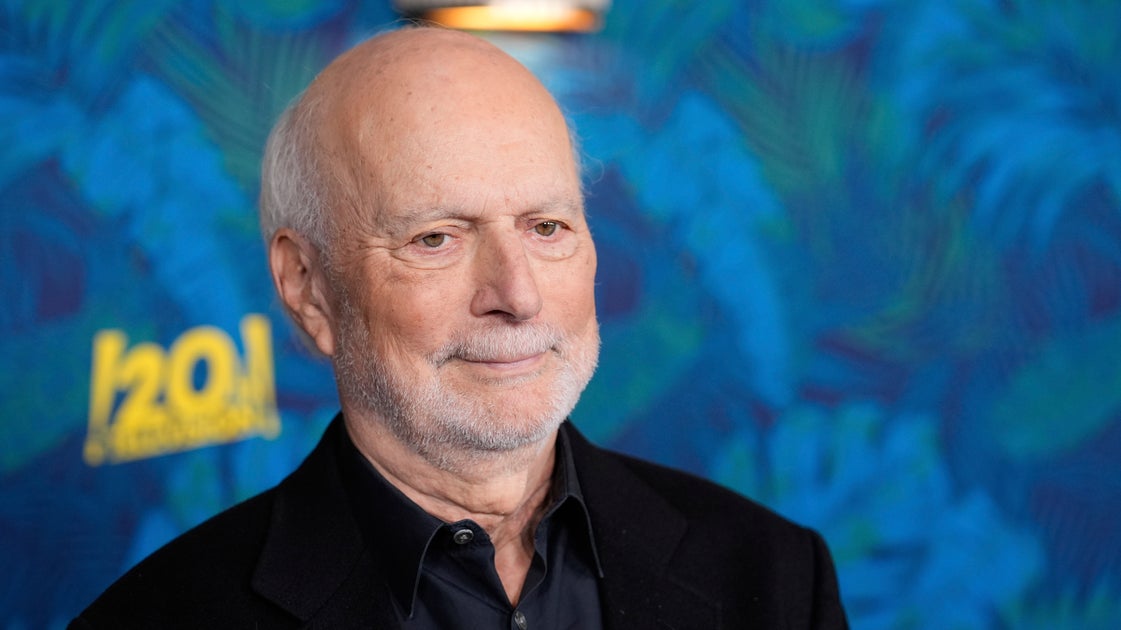
Legendary television director James Burrows, a foundational architect of the modern American sitcom, has died at the age of 85. Known for his impeccable sense of comedic timing and his instrumental role in shaping the aesthetic of multi-camera television, Burrows’ death marks the end of an era for the medium that defined decades of primetime viewing, according to reports confirmed by his representatives.
Throughout a career spanning more than five decades, Burrows directed over 1,000 episodes of television. His work on iconic programs such as Cheers, Friends, and Will & Grace—for which he directed all 246 episodes—established a blueprint for ensemble character development that remains the standard in the industry today, as documented by the Television Academy. His influence extended far beyond the director’s chair, as he was frequently credited by actors and writers for his ability to nurture talent and refine scripts during the rehearsal process.
A Career Defined by Sitcom Excellence
James Burrows’ impact on the television landscape began in earnest in the 1970s and 80s. He was a co-creator of Cheers, which premiered on NBC in 1982 and ran for 11 seasons. According to the Los Angeles Times, Burrows’ approach to the “bar” setting—focusing on the chemistry between regulars—helped the show survive low initial ratings to become a cultural phenomenon. His direction was marked by a preference for long, uninterrupted takes that allowed performers to build momentum, a technique he carried into the 1990s with Friends.
For Friends, Burrows directed the pilot and 14 subsequent episodes, helping to establish the show’s rhythmic dialogue and visual style. His involvement with Will & Grace was even more comprehensive; he directed every single episode of the original series run, a feat Variety noted as nearly unprecedented in the history of long-running network television. This total creative control allowed for a level of consistency that helped the show secure its place in television history.
The Technical Mastery of the Multi-Camera Format
Burrows was widely considered the master of the multi-camera sitcom. Unlike single-camera productions, which often resemble film, his work prioritized the energy of a live studio audience. He frequently utilized a “fourth wall” approach, positioning cameras to capture the interplay between characters as if they were performing on a stage. This method was not merely a stylistic choice but a strategic one; it allowed for immediate feedback from the audience, which Burrows used to tighten jokes and adjust pacing.
His technical precision was matched by a reputation for being an “actor’s director.” Many stars, including those from the casts of Taxi, Frasier, and The Big Bang Theory, have historically cited Burrows as a mentor who understood the nuances of comedic delivery better than anyone else in the business. By focusing on the internal logic of a scene rather than just the visual presentation, he ensured that the humor felt grounded in character rather than just punchline-driven.
Legacy and Industry Recognition
The accolades earned by Burrows reflect his immense influence on the television industry. He received 10 Emmy Awards throughout his career and was inducted into the Television Hall of Fame in 2013, as noted by the Television Academy. His memoir, Directed by James Burrows, published in 2022, provided an inside look at the high-pressure environment of network television production and the evolution of the sitcom format.
The industry response to his passing reflects the deep respect he commanded among peers. Throughout his tenure in Hollywood, he served as a bridge between the classic era of television and the modern streaming age, consistently adapting his methods to ensure the sitcom format remained relevant. While the television landscape has shifted toward shorter seasons and different production models, the structural principles established by Burrows continue to inform how comedy is written and filmed across the globe.
What Happens Next in Television Production
As the industry processes the loss of one of its most prolific figures, attention has turned to how his techniques will be preserved. Many current showrunners and directors who worked under Burrows have stated that his influence is embedded in the “DNA” of the modern sitcom. Universities and film programs frequently utilize his episodes as case studies for teaching multi-camera blocking and comedic timing.
While no official memorial services have been announced by the family as of this writing, industry organizations are expected to hold tributes in the coming weeks. Readers interested in the history of his work can access archived interviews and production notes via the Archive of American Television, which provides a comprehensive look at his career milestones. As further details regarding public tributes or memorial funds are released, they will be updated here. Please share your favorite memories of the shows directed by James Burrows in the comments section below.