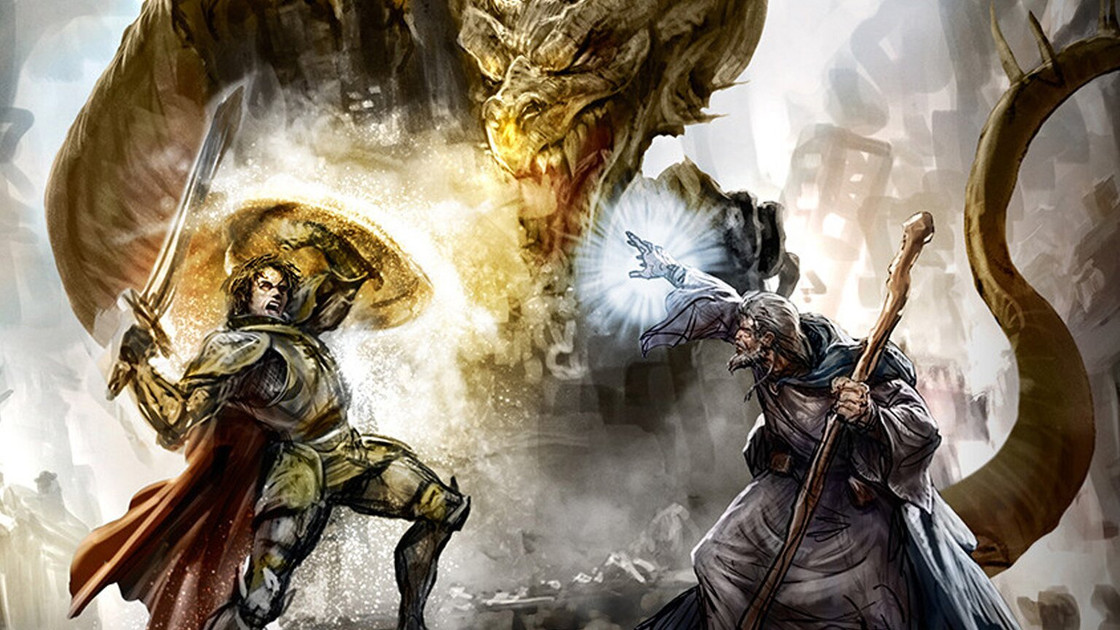
Richard Garriott, the legendary game designer known for creating the seminal Ultima series, has successfully reclaimed the rights to the franchise from Electronic Arts (EA). This move marks the conclusion of a long-standing separation between the creator and the intellectual property that defined early computer role-playing games. According to statements released by Garriott, the transition of rights returns the creative control of the Ultima brand to its originator, effectively ending EA’s decades-long stewardship of the series.
The acquisition of the Ultima rights represents a significant shift for the classic gaming community. Electronic Arts had held the rights since its 1992 acquisition of Origin Systems, the studio Garriott founded to develop the series. For years, the status of the franchise remained a point of contention among fans, as the brand saw limited activity under EA’s ownership. By regaining these rights, Garriott has secured the opportunity to influence the future trajectory of the series, though specific plans for new titles or remasters have not yet been formally announced.
The History of the Ultima Franchise and Origin Systems
The Ultima series began in 1981 with the release of Ultima: The First Age of Darkness, a title that helped establish the foundations of the open-world RPG genre. Throughout the 1980s and 1990s, Origin Systems, based in Austin, Texas, became a powerhouse in the industry, largely due to the success of the Ultima and Wing Commander series. The company’s influence was cemented through its commitment to deep, lore-heavy storytelling and technical innovation, as documented in historical records of the computer gaming industry’s evolution.
In 1992, Origin Systems was acquired by Electronic Arts in a deal valued at approximately $35 million in stock. While the acquisition provided Origin with the resources of a major publisher, it also initiated a period of corporate restructuring. Garriott eventually departed from Origin Systems in 2000, following disagreements regarding the company’s direction under EA. The subsequent years saw the decline of the Origin brand, with the studio officially closing its doors in 2004. Since then, the Ultima IP has been managed by EA, primarily through the continued operation of Ultima Online, a pioneering massively multiplayer online role-playing game (MMORPG) that launched in 1997 and remains active under the management of Broadsword Online Games.
What Regaining Rights Means for the Creator
For Richard Garriott, regaining the rights to Ultima is more than a legal milestone; it is the restoration of his professional legacy. The designer has frequently expressed a desire to see the series treated with the care that built its reputation in the 1980s. By bringing the rights back under his purview, Garriott avoids the uncertainty that often surrounds dormant IPs owned by large corporations. This development aligns with a broader industry trend where veteran developers seek to reclaim or re-acquire the rights to their early works to protect their creative integrity.
The impact of this transfer on the current player base of Ultima Online remains a subject of inquiry. As Broadsword Online Games currently maintains the servers and development for the title under license, the immediate functionality of the game is not expected to change. According to industry analysts, such transitions usually involve complex licensing agreements that ensure service continuity for existing users. While Garriott has not provided a definitive roadmap for future projects, his history of independent development suggests a potential for new, community-focused initiatives that honor the series’ roots.
Industry Precedents and Future Outlook
The return of intellectual property rights from major publishers to individual creators is an infrequent but significant event in the gaming industry. Similar to the acquisition of the System Shock rights by Nightdive Studios, the reclamation of Ultima highlights the value of heritage titles in an era where retro gaming and remakes are increasingly popular. The legal frameworks governing intellectual property often dictate that such transfers require extensive negotiation, reflecting the commercial value that these long-running brands still hold in the modern market.
Looking ahead, the gaming community awaits further details from Garriott regarding his vision for the franchise. The next official update is expected to come via his personal channels or through a formal announcement regarding his studio’s upcoming roadmap. As the legal dust settles on this transfer, fans of the series remain focused on how the creator will utilize his regained control to preserve the legacy of Britannia. We encourage our readers to share their thoughts on the future of Ultima in the comments section below.
Related reading