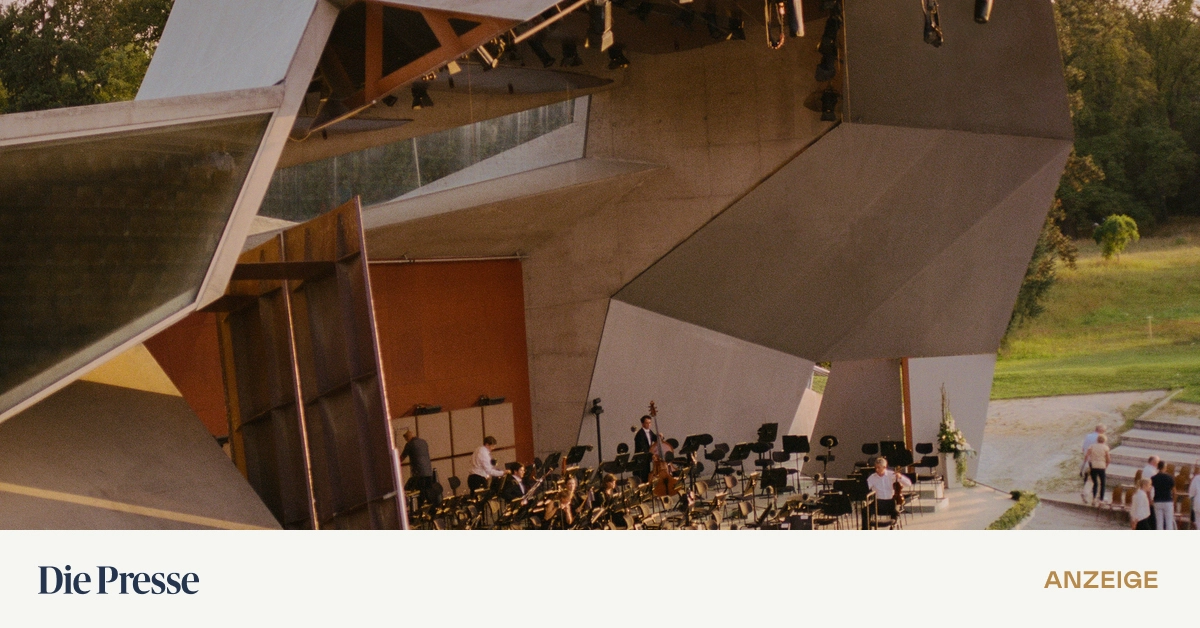
Lower Austria has solidified its reputation as a premier destination for cultural tourism, with a diverse summer festival season that spans from historic Baroque performances to contemporary jazz sessions. According to official tourism data from Niederösterreich Werbung, the region hosts hundreds of events annually, utilizing a mix of heritage sites, outdoor landscapes, and purpose-built venues to draw both domestic and international audiences.
The cultural landscape in the region is defined by its geographic and historical variety, offering a platform for “special moments” that blend regional identity with high-caliber artistic programming. By leveraging unique architectural backdrops—ranging from medieval castles to modern amphitheaters—the state has developed a festival infrastructure that serves as a primary economic driver for the rural and semi-urban areas of the province.
Historical Roots of the Lower Austrian Festival Scene
The tradition of open-air culture in Lower Austria is not a modern invention but a continuation of centuries of artistic patronage. As documented by the Lower Austrian State Government, the region’s commitment to the arts is deeply tied to its historical role as a center for ecclesiastical and noble influence, which fostered the development of acoustics and staging environments that remain relevant today.
The integration of cultural heritage into the modern festival experience allows for a high degree of “place-making,” where the performance venue is as significant as the production itself. This approach has allowed local organizers to maintain long-standing traditions while incorporating contemporary genres like jazz, electronic music, and avant-garde theater to broaden the demographic reach of the summer season.
Economic and Social Impact of Regional Tourism
The cultural sector in Lower Austria is a significant contributor to the regional economy. Statistics published by Statistics Austria indicate that tourism and cultural services account for a substantial percentage of the regional GDP, particularly during the peak summer months. These festivals are not merely entertainment; they are essential components of the local service economy, supporting hospitality, transportation, and retail sectors in smaller municipalities.
Beyond the economic metrics, these festivals provide a social fabric that connects diverse populations. The programming often features a mix of internationally acclaimed performers and local talent, which encourages community engagement and preserves regional dialects and artistic styles. This dual focus ensures that the festivals remain accessible to residents while maintaining the quality standards required to attract visitors from outside the state.
Strategic Planning for Cultural Sustainability
Managing a festival season that includes hundreds of individual events requires significant coordination between public bodies and private organizers. The Kultur Niederösterreich initiative serves as a primary framework for this coordination, providing subsidies and logistical support to ensure that cultural offerings remain consistent across the state. This centralized support system is vital for the sustainability of smaller festivals that might otherwise struggle with the rising costs of production and site maintenance.
Future developments in the regional festival circuit are currently focusing on sustainability and digital accessibility. Organizers are increasingly looking at ways to reduce the environmental footprint of large-scale outdoor events while simultaneously expanding digital reach through hybrid event formats. This evolution is necessary to meet the expectations of younger audiences who prioritize both environmental consciousness and technological integration in their travel and entertainment choices.
How to Plan Your Visit
For those looking to attend, the official Lower Austria Events Portal offers a comprehensive, searchable database of upcoming concerts, theater performances, and exhibitions. Visitors are encouraged to check these official listings frequently, as programming for the upcoming season is subject to change based on weather conditions and site-specific logistical updates.
The festival season typically runs from late spring through early autumn, with peak activity occurring in July and August. Travelers are advised to book accommodations well in advance, as popular events in historic towns often reach capacity months before the scheduled performance dates. For those interested in the latest developments or potential changes to existing schedules, the Lower Austrian state news service provides the most reliable updates regarding public health guidelines and venue access.
We invite our readers to share their experiences or questions regarding the upcoming cultural season in the comments section below. Stay tuned for further updates as the summer schedule reaches its full implementation in the coming weeks.