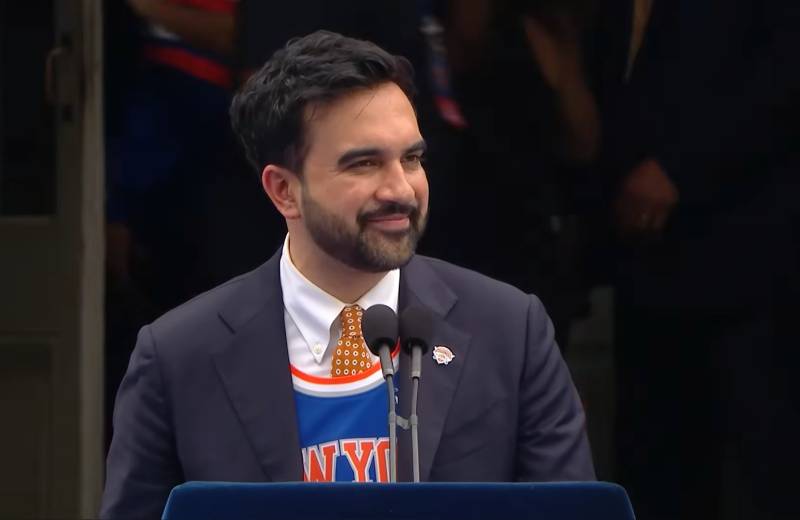
New York State Assemblymember Zohran Mamdani’s recent victory in his re-election campaign has intensified a broader debate regarding the influence of democratic socialism within the state’s political framework. As Mamdani prepares for another term representing the 36th District in Queens, political analysts and constituents are evaluating the long-term viability of his policy platform—often colloquially termed “Mamdanism”—and its potential implications for the future of the Democratic Party in New York. According to official results from the New York City Board of Elections, Mamdani secured a decisive win, signaling continued support for a movement that prioritizes tenant protections, public transit reform, and aggressive climate legislation.
The term “Mamdanism” has emerged in political discourse as a shorthand for the specific brand of democratic socialism championed by Mamdani, which emphasizes grassroots organizing and a departure from traditional party establishment politics. While supporters view his re-election as a mandate for progressive change, critics and moderate observers are questioning how these policies would function if applied on a citywide or statewide scale. The ongoing debate centers on whether this ideological shift represents a sustainable path for governance or a localized phenomenon tied to specific demographic and geographic shifts in Queens.
The Policy Pillars of the 36th District
At the core of Mamdani’s legislative agenda is a focus on housing security, an issue that has become a central point of contention in New York City politics. Mamdani has been a vocal proponent of the “Good Cause Eviction” legislation, which was signed into law as part of the 2024-2025 New York State Budget. This law establishes new protections for tenants against arbitrary rent increases and evictions, though it includes specific exemptions for small landlords and new construction. The implementation of these protections serves as a practical test for the effectiveness of democratic socialist policies in a market with high housing demand.
Beyond housing, Mamdani’s platform is deeply integrated with the “Fix the MTA” campaign, an effort to increase public funding for the Metropolitan Transportation Authority. According to documents published by the Metropolitan Transportation Authority, the agency faces ongoing fiscal challenges that require complex legislative intervention. Mamdani’s approach advocates for shifting the financial burden of transit infrastructure away from riders and toward corporations and high-income earners. This strategy remains a primary point of friction between his office and business-aligned interest groups that argue for more moderate tax structures.
Evaluating the Democratic Socialist Model
The rise of candidates like Mamdani follows a trend of increasing influence for the Democratic Socialists of America (DSA) in New York. Political science observers note that this shift has forced the state Democratic Party to reconcile with a more vocal, policy-driven left wing. Unlike traditional interest-group politics, the movement centered on Mamdani relies heavily on door-to-door constituent engagement and a rejection of corporate political action committee (PAC) funding. This organizational model is often cited by supporters as the primary reason for their success in local primaries.
However, the transition from local advocacy to broad-based governing presents significant challenges. Opponents often argue that the policies associated with this movement, such as rent control expansion and increased public spending, risk alienating the suburban and moderate urban voters necessary for success in statewide elections. As reported by the New York Times, the tension between the progressive wing and the traditional party establishment remains a defining feature of New York politics, with each faction attempting to capture the party’s long-term ideological direction.
What Happens Next for New York Politics
As the legislative session approaches, the focus shifts toward how these campaign promises translate into actionable governance. The upcoming budget cycle will serve as the next major checkpoint for Mamdani and his progressive colleagues. Legislators will be required to negotiate with the Governor’s office and moderate members of the State Senate, where the balance of power often forces compromises on key fiscal and social issues. The ability to maintain support from his base while navigating these legislative hurdles will determine the long-term influence of his policy platform.
Observers are also looking toward the next municipal election cycle, where the impact of organized progressive movements will be tested on a larger scale. For residents and stakeholders, the official proceedings of the New York State Assembly can be monitored via the official state portal, which provides real-time access to hearing schedules, bill status updates, and session transcripts. The trajectory of this political movement remains fluid, dependent on the interplay between grassroots enthusiasm and the realities of New York’s complex legislative landscape.
We encourage our readers to share their perspectives on the evolution of state policy and the role of democratic socialism in local government in the comments section below. For those tracking specific legislation, the assembly’s public calendar remains the most reliable source for upcoming session dates and public testimony opportunities.