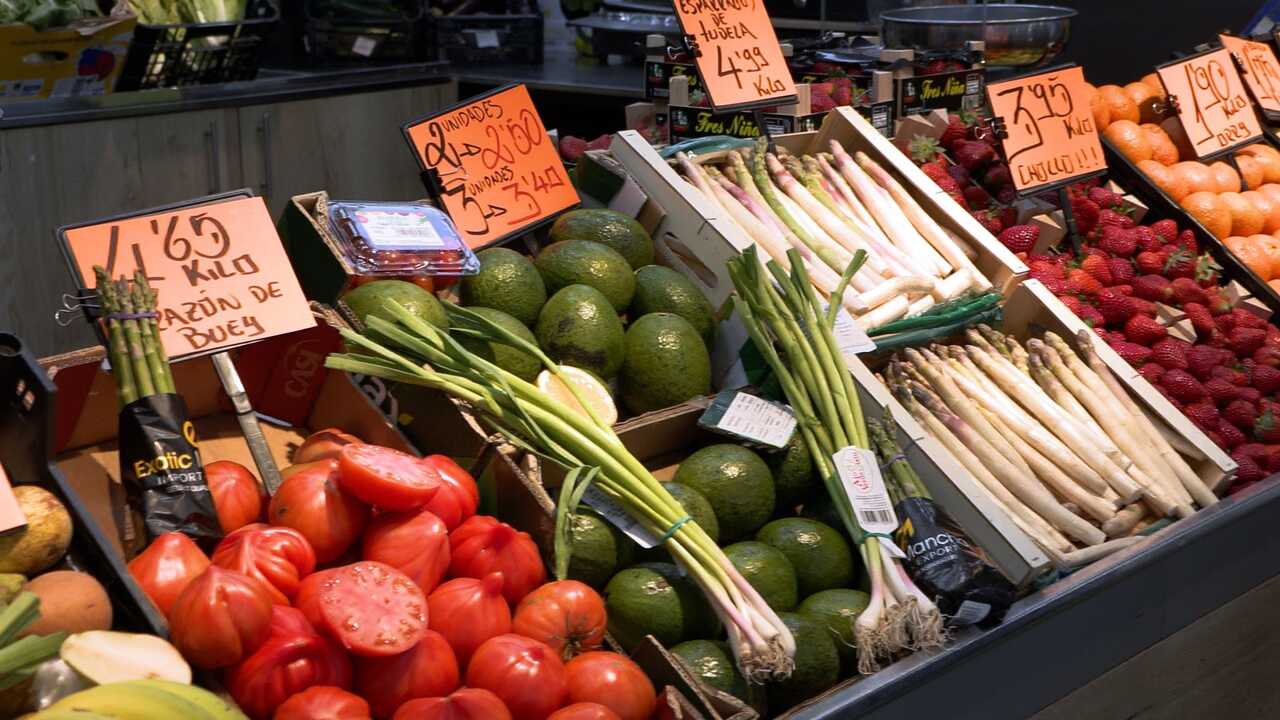
Recent research indicates that the cardiovascular benefits of plant-based diets are not uniform across all produce, as specific dietary compounds known as flavanols play a distinct role in heart health. While public health guidelines consistently encourage the intake of fruits and vegetables, investigators have identified that the concentration and type of bioactive compounds—specifically flavan-3-ols—are critical determinants of their efficacy in reducing blood pressure and improving vascular function. This distinction is essential for patients and clinicians aiming to optimize nutritional interventions for hypertension management.
A comprehensive analysis published in Scientific Reports, which evaluated data from the COSMOS (COcoa Supplement and Multivitamin Outcomes Study) trial, highlights that many individuals fail to meet the recommended daily intake of flavanols. The study, involving over 30,000 participants, underscored that while general fruit and vegetable consumption remains a cornerstone of preventive medicine, the specific metabolic impact of flavanols provides a measurable improvement in arterial health that is not replicated by all plant-derived foods equally. According to the Academy of Nutrition and Dietetics, flavan-3-ols are a subclass of flavonoids found in foods such as tea, apples, berries, and cocoa, which have been linked to improved endothelial function.
The Role of Flavan-3-ols in Vascular Biology
Flavanols are plant-based bioactive compounds that facilitate the production of nitric oxide, a molecule that helps relax blood vessels and improve blood flow. Unlike broader dietary categories, these specific compounds have been the subject of targeted clinical trials to determine their precise impact on systolic and diastolic blood pressure. Medical consensus, supported by findings from the American Heart Association, suggests that the bioavailability of these compounds varies significantly depending on the food source and the individual’s gut microbiome composition.
The research emphasizes that “more” is not always synonymous with “better” when it comes to fruit and vegetable intake if the specific nutrient profile is ignored. For instance, while a diet rich in leafy greens provides essential vitamins and minerals, the specific cardiovascular protection attributed to flavanols is more concentrated in foods like dark chocolate (with high cocoa content), certain teas, and specific fruits like grapes and berries. This nuance explains why previous observational studies sometimes yielded inconsistent results regarding the universal benefits of fruits and vegetables on heart disease outcomes.
Addressing the Intake Gap
Data suggests a significant discrepancy between current dietary patterns and the levels of flavanol intake associated with optimal health outcomes. The U.S. Department of Agriculture (USDA) has noted that the average intake of flavan-3-ols among adults in the United States remains below the levels tested in clinical trials that demonstrated significant blood pressure reduction. This gap highlights a public health challenge: translating complex nutritional data into actionable dietary habits for the general population.
Clinicians are increasingly looking toward personalized nutrition to address these gaps. By identifying which patients have lower baseline levels of these compounds, healthcare providers can offer targeted recommendations rather than generic dietary advice. However, the European Food Safety Authority (EFSA) notes that while high-flavanol cocoa extracts have shown benefits, these should be consumed within the context of a balanced diet rather than as isolated supplements, as the long-term safety of high-dose concentrated extracts remains under evaluation in various clinical settings.
What This Means for Daily Nutrition
For the average consumer, the takeaway is not to abandon a diverse diet but to prioritize foods with high concentrations of these specific compounds. Integrating a variety of flavanol-rich foods—such as green tea, berries, and moderate amounts of high-percentage dark chocolate—can contribute to a more heart-healthy profile. It is important to note that the World Health Organization (WHO) continues to emphasize that no single food can mitigate the risks of a diet high in processed sugars, sodium, and saturated fats, which remain the primary drivers of cardiovascular disease.
Future research is expected to focus on the long-term impact of these dietary patterns on stroke risk and chronic heart failure. As of current reporting, there are no new clinical trials scheduled for immediate release that would alter the existing consensus on flavanol intake. Readers interested in their personal cardiovascular risk should consult with their primary care physician or a registered dietitian to discuss how to incorporate these findings into their specific health regimen. Comments and insights regarding personal dietary adjustments are encouraged for those monitoring their heart health outcomes.