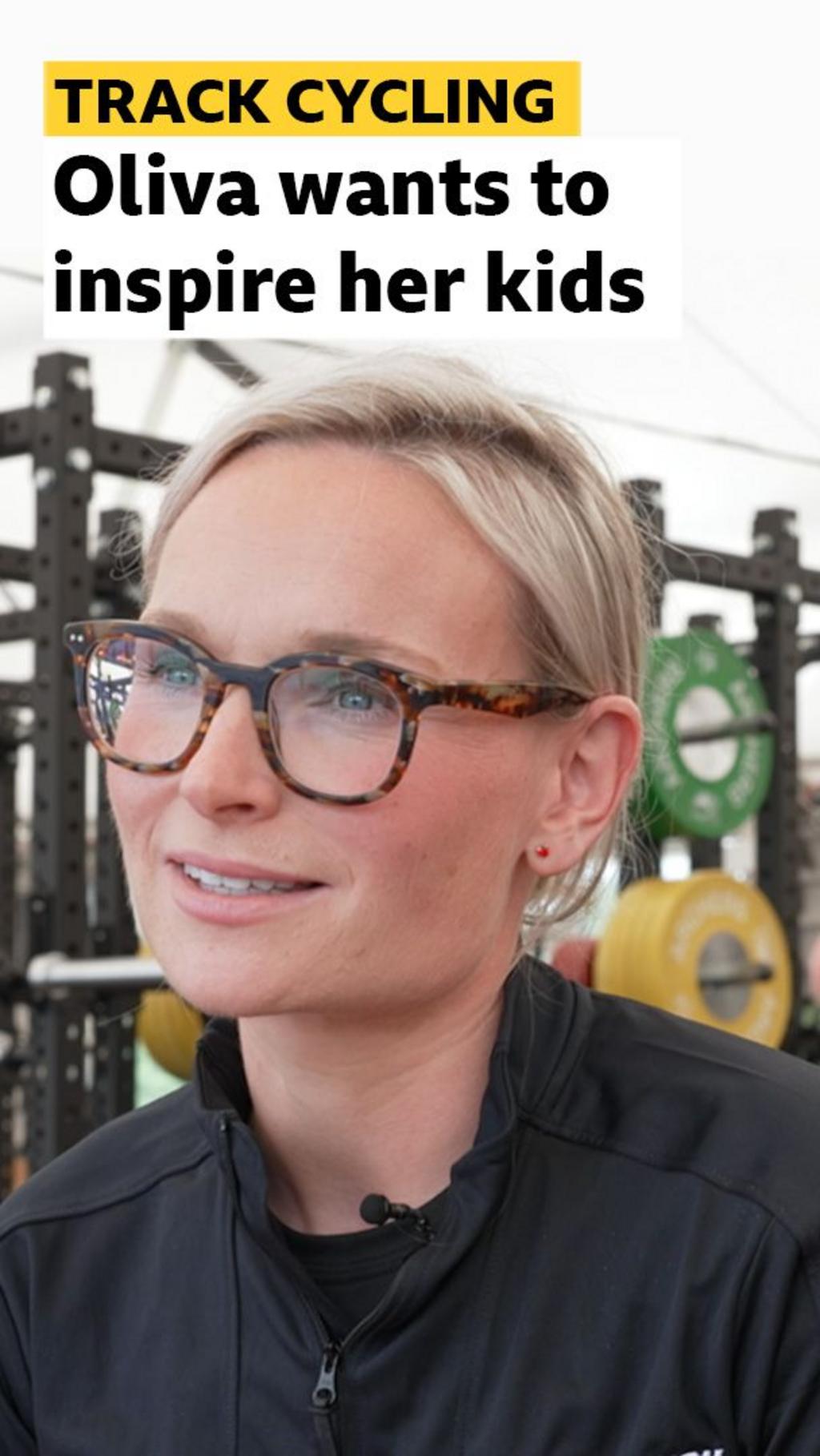
Welsh cyclist Ciara Oliva has officially confirmed her return to competitive track cycling, setting her sights on the 2026 Commonwealth Games in Glasgow. The athlete, who previously announced her retirement from elite competition, is now targeting a podium finish while balancing her career with life as a mother of three. Her path back to the velodrome marks a significant shift in her career trajectory, moving from retirement back into the high-intensity environment of international cycling.
The 2026 Commonwealth Games, scheduled to be held in Scotland, will serve as a major testing ground for returning athletes. According to official event communications, the Games will feature a streamlined sports program focused on athletics, swimming, and track cycling, among other disciplines. For Oliva, the preparation involves not only rigorous physical conditioning but also navigating the logistics of elite competition while managing family responsibilities.
The Path to Glasgow 2026
Oliva’s transition back to the sport follows a period of absence that many observers initially viewed as a permanent exit from professional cycling. However, the allure of representing Wales on a global stage has provided the necessary motivation for her return. The Welsh cycling program has undergone several changes since her last major appearance, with a renewed focus on youth development and infrastructure improvements as outlined by Welsh Cycling.
Returning to track cycling requires a specific set of physiological adaptations, particularly for an athlete who has spent time away from the demands of high-velocity racing. Sports scientists often emphasize that the “comeback” phase for cyclists involves rebuilding anaerobic capacity and refining technical skills on the track, which can degrade during extended breaks. Oliva’s training regimen is reportedly designed to accommodate these physiological requirements while ensuring her readiness for the competitive calendar leading up to the 2026 event.
Balancing Elite Sport and Motherhood
A central narrative in Oliva’s return is her stated goal of inspiring her three children. This perspective is becoming increasingly common in professional sports, where athletes are more frequently vocal about the challenges and rewards of parenting during an active career. The visibility of mothers in sports like track cycling serves as an example of the evolving support structures within national governing bodies, which are increasingly accommodating the needs of athlete-parents.
Data from the Commonwealth Games Federation suggests that the Games remain a vital platform for athletes looking to extend their careers beyond traditional retirement ages. By opting to return, Oliva joins a cohort of athletes who view the Commonwealth Games not just as a competition, but as an opportunity to demonstrate the longevity possible in modern endurance sports. Her performance in the lead-up events will be the primary indicator of her competitiveness against a younger, emerging field.
What Happens Next
The immediate focus for Oliva and the Welsh cycling team is the qualification process for the 2026 Games. Selection criteria for Commonwealth teams are typically stringent, requiring athletes to meet specific time standards and performance benchmarks in sanctioned events. These requirements are set by individual national bodies in accordance with international cycling standards maintained by the Union Cycliste Internationale (UCI).
Observers will be watching for her performance at upcoming national track championships and international meets, which will serve as the official proving ground for her fitness levels. As she works toward the Glasgow Games, the cycling community expects further updates from the Welsh federation regarding training camps and selection milestones. Fans and supporters are encouraged to follow official team announcements for the latest on her progress as she prepares for the 2026 season.
We invite our readers to share their thoughts on the rise of comeback narratives in professional cycling in the comments section below. Your engagement helps foster a deeper conversation about the future of the sport.
Worth a look