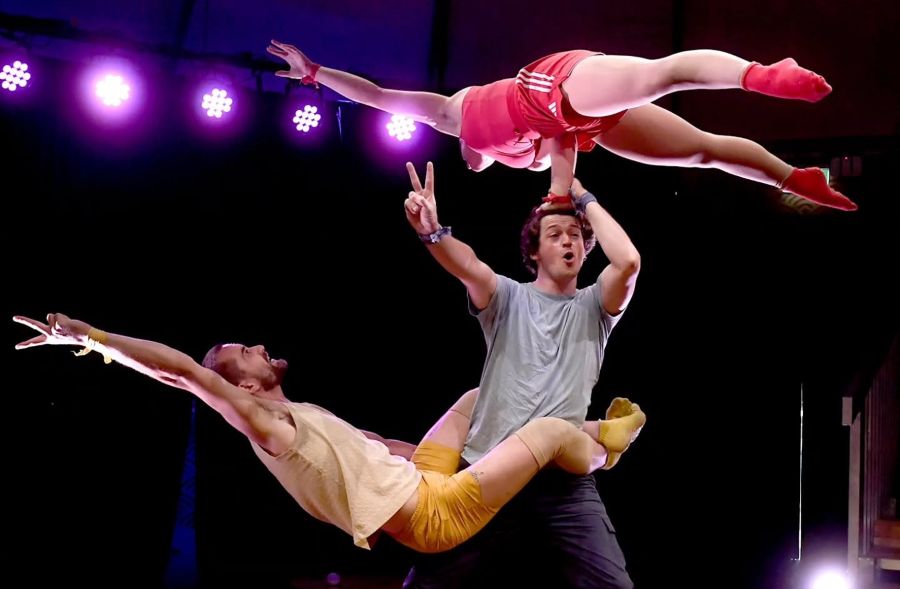
The Physical Theater Festival Chicago, an annual event dedicated to movement-based performance, concluded its 2024 iteration in early June, bringing international and local artists together to explore non-verbal storytelling. Held across multiple venues in the city, the festival showcased a range of disciplines including mime, clowning, puppetry, and acrobatics, serving as a platform for practitioners to test the boundaries of physical expression according to the Physical Theater Festival Chicago official records.
Founded in 2014 by Alice da Cunha and Marc Frost, the festival has established itself as a significant fixture in the Chicago arts scene by focusing specifically on work that prioritizes the body over the spoken word. The event aims to bridge the gap between global physical theater traditions and the Chicago creative community, providing a space for both established professionals and emerging artists to present new works. This year’s programming continued the organization’s mission of fostering international dialogue through movement, with performances scheduled at various cultural hubs throughout the city.
The Evolution of Physical Theater in Chicago
Physical theater functions as a genre where the primary mode of expression is the performer’s body rather than dialogue. By focusing on gesture, rhythm, and spatial awareness, these performances often transcend linguistic barriers, making them accessible to diverse, international audiences. The Chicago-based festival has been instrumental in bringing these techniques to a broader public, according to reporting by The Chicago Reader, which tracks the city’s independent performing arts sector.
Since its inception, the festival has curated a mix of ticketed performances and workshops. These pedagogical components are essential to the festival’s structure, as they allow participants to learn specific techniques—such as Jacques Lecoq-inspired movement or contemporary circus arts—directly from visiting international artists. This focus on education ensures that the festival contributes to the long-term development of the local performance ecosystem rather than serving solely as a presentation venue.
Programming and Performance Scope
The 2024 festival schedule featured a diverse slate of performances that highlighted the breadth of the genre. From intimate solo pieces that utilize minimal set design to larger, ensemble-driven works requiring complex choreography, the event prioritized the “limitless possibilities of the body,” a recurring theme in the festival’s promotional materials. Artists participating in the festival often spend months, or even years, developing their movement language, which is then refined through workshops and residencies before reaching the stage.
According to the festival’s official organizational statement, the selection process focuses on works that demonstrate high technical proficiency and clear conceptual foundations. By inviting artists from outside the United States, the organizers facilitate a cross-pollination of styles, allowing Chicago-based performers to encounter European, Latin American, and Asian approaches to physical storytelling. This exchange is a cornerstone of the event’s identity as an international arts gathering.
Impact on the Local Arts Community
The presence of the Physical Theater Festival in Chicago provides a vital economic and cultural impact on the city’s theater district. By centralizing physical performance for a week, the festival attracts audiences who might otherwise only engage with traditional text-based plays. Furthermore, the collaboration between the festival and local venues helps sustain the infrastructure required for experimental performance, which often faces higher barriers to entry than mainstream commercial theater.
Stakeholders in the Chicago arts community, including the Chicago Department of Cultural Affairs and Special Events, have historically supported initiatives that promote diverse artistic expressions. The festival’s ability to remain operational for a decade underscores the sustained demand for movement-based work in a city renowned for its robust theater tradition. As the industry continues to recover from the disruptions of the early 2020s, events like this provide necessary stability for independent artists.
What Happens Next
With the 2024 festival concluded, the organization is expected to transition into its planning phase for the 2025 season. The festival directors typically issue a call for submissions in the autumn, inviting artists to propose works for the following year. Interested performers and audience members are encouraged to monitor the official Physical Theater Festival Chicago website for updates regarding future programming and potential workshop opportunities.
The festival serves as a reminder of the enduring power of the human form in storytelling. As the organization prepares for its next cycle, it remains a primary point of contact for those interested in the ongoing evolution of physical performance. Readers are invited to share their experiences from this year’s performances in the comments section below.
Related reading