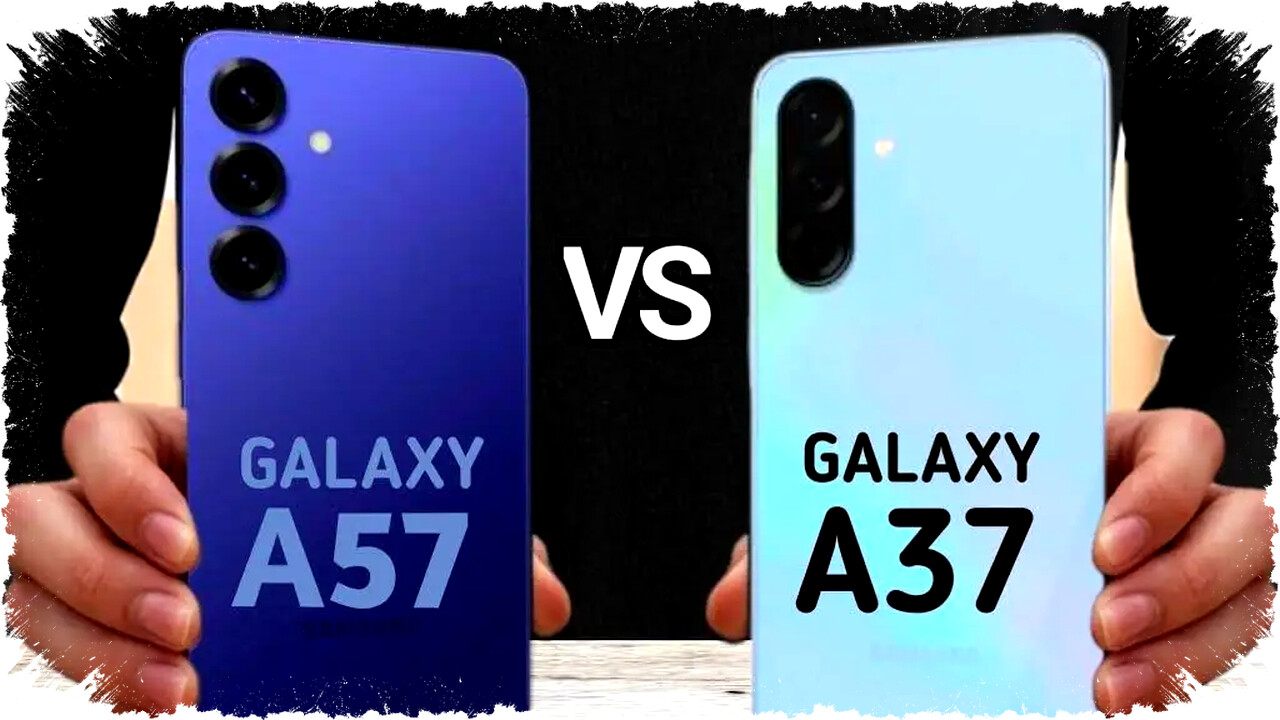
Samsung’s mid-range smartphone strategy for 2026 continues to focus on balancing hardware performance with accessible pricing, as the company navigates the competitive landscape of the global mobile market. Recent consumer interest has centered on the Samsung Galaxy A37, a device positioned as a solution for light gaming and daily productivity without the premium cost associated with flagship models. According to company product specifications, the device prioritizes an ergonomic, lightweight design intended to appeal to users seeking long-term value in the mid-tier segment.
As the smartphone industry shifts toward integrating more robust software support and refined power efficiency, consumers are increasingly evaluating devices based on longevity and thermal management rather than raw processing power alone. The Galaxy A37, alongside the slightly higher-tier A57, represents Samsung’s efforts to maintain market share in regions where cost-conscious purchasing decisions remain the primary driver for consumer electronics. These devices are part of a broader push by Samsung to standardize 5G connectivity across its affordable Galaxy A-series lineup.
Hardware Specifications and Gaming Performance
The Samsung Galaxy A37 is marketed primarily toward casual gamers who require consistent frame rates for mainstream titles without the thermal throttling often found in entry-level handsets. Verified technical documentation from Samsung’s official newsroom confirms that the A-series for 2026 utilizes optimized chipsets designed for power efficiency, allowing for extended screen-on time during moderate gaming sessions. While the device does not compete with specialized gaming phones, its internal hardware is sufficient for popular mobile titles that do not require high-end graphical processing units.
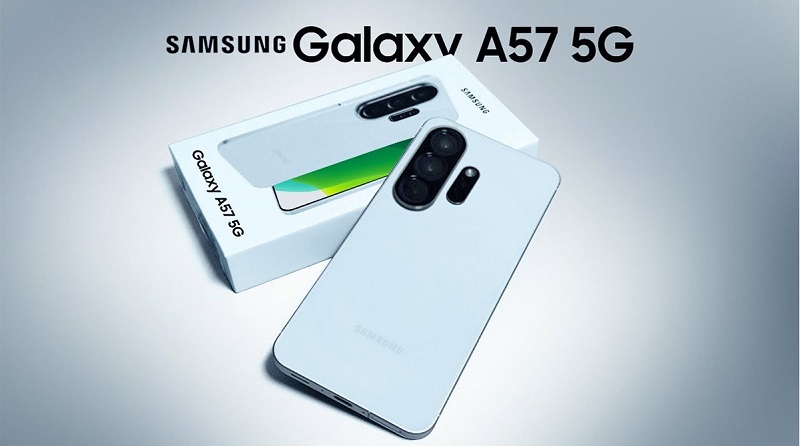
Thermal management plays a significant role in the device’s design, with engineers incorporating thin-film cooling layers to maintain performance during sustained use. This design choice addresses common consumer pain points, such as overheating during multitasking or extended video playback. By prioritizing a thinner chassis, Samsung aims to improve the ergonomics of the device, making it more comfortable for single-handed use during long durations, a feature often highlighted in early reviews of the A-series lineup.
Market Positioning: A37 vs. A57
When comparing the Samsung Galaxy A37 and the Galaxy A57, the primary differences lie in camera sensor capabilities, display refresh rates, and overall build materials. Industry analysts at Counterpoint Research note that Samsung’s segmented approach allows the company to target distinct price points effectively. The A37 serves as the entry-to-mid-level 5G option, whereas the A57 includes incremental upgrades that cater to users who prioritize photography and a more premium display experience.
For budget-conscious buyers, the decision often hinges on whether the additional features of the A57—such as enhanced optical image stabilization and higher peak screen brightness—justify the price gap. Official pricing data indicates that the A37 remains the more approachable entry point for students and casual users. Samsung has committed to a multi-year software update policy for both devices, which remains a critical factor for users looking to maximize the lifespan of their hardware beyond the initial two-year period.
Key Technical Considerations for Consumers
Consumers evaluating these devices should consider the following factors, which are standard across the 2026 Galaxy A-series:
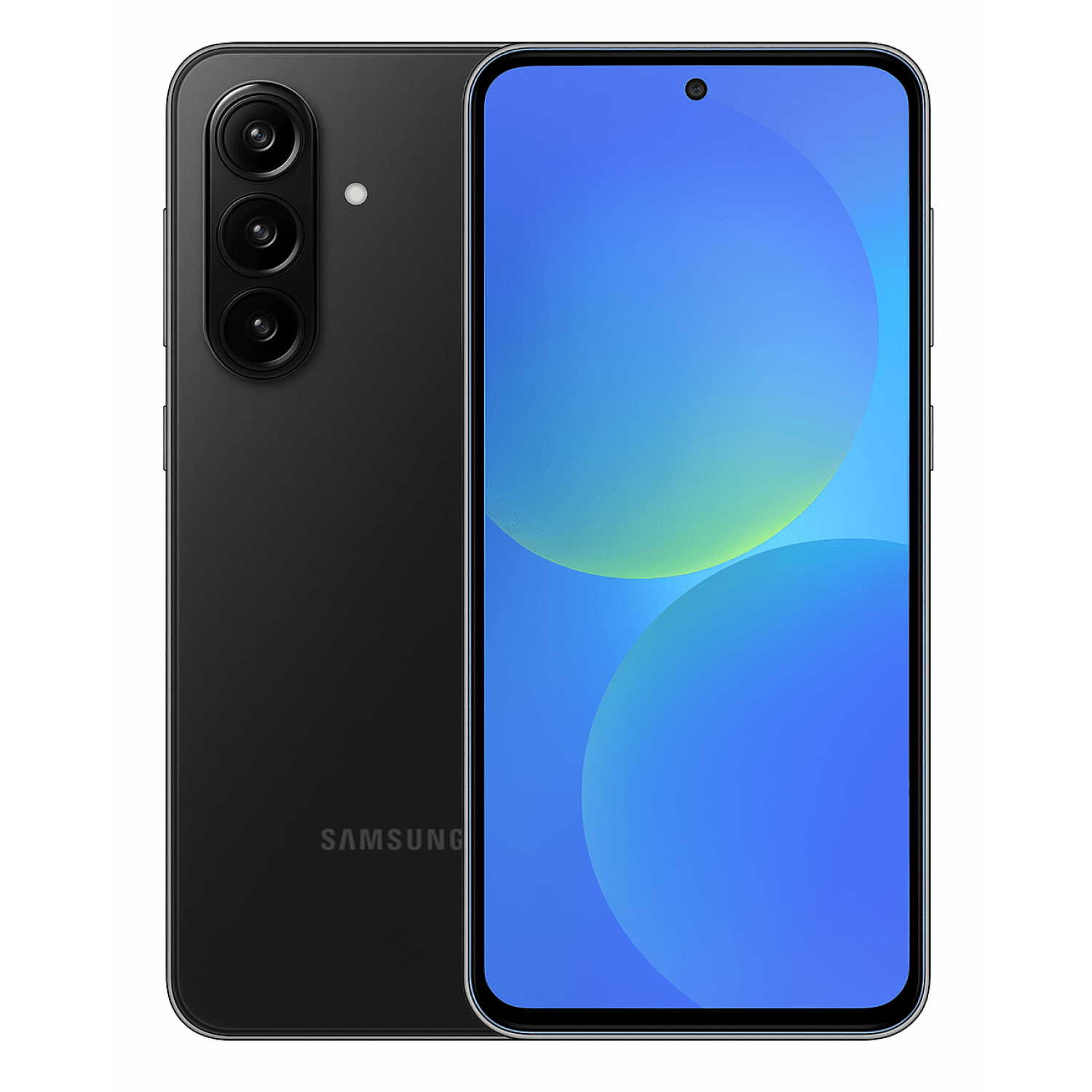
- 5G Connectivity: Both the A37 and A57 support global 5G bands, ensuring compatibility with modern network infrastructure.
- Software Longevity: Samsung’s current support policy includes four generations of OS upgrades, providing a longer functional life for mid-range hardware.
- Battery Efficiency: The integration of adaptive power management software helps mitigate battery degradation over time, according to Samsung’s official support guidelines regarding device battery health.
The shift toward these mid-range devices reflects a broader industry trend where hardware performance plateaus have made the “flagship” experience less necessary for the average user. By focusing on essential features like reliable battery life, consistent software updates, and ergonomic design, Samsung continues to maintain its position as a dominant player in the global smartphone market. Potential buyers are encouraged to check local retailer listings for current promotional pricing, as market availability and trade-in programs vary significantly by region.
As of June 2026, Samsung has not announced any further mid-year hardware refreshes for the Galaxy A-series, with the next expected product cycle slated for the following calendar year. Users seeking to troubleshoot or optimize their current devices can find official support resources on the Samsung Support portal. Readers are invited to share their experiences with the Galaxy A37 in the comments section below to help others make informed purchasing decisions.
Related reading