
Radio waves serve as the invisible backbone of modern global communication, facilitating everything from cellular connectivity and satellite navigation to emergency broadcasting services. These electromagnetic waves, which oscillate at frequencies ranging from 3 kilohertz to 300 gigahertz, exist as a fundamental component of the electromagnetic spectrum, as defined by the International Telecommunication Union (ITU). Understanding their role is essential for grasping how digital data travels across the globe, influencing daily life in ways that are often overlooked by the average user.
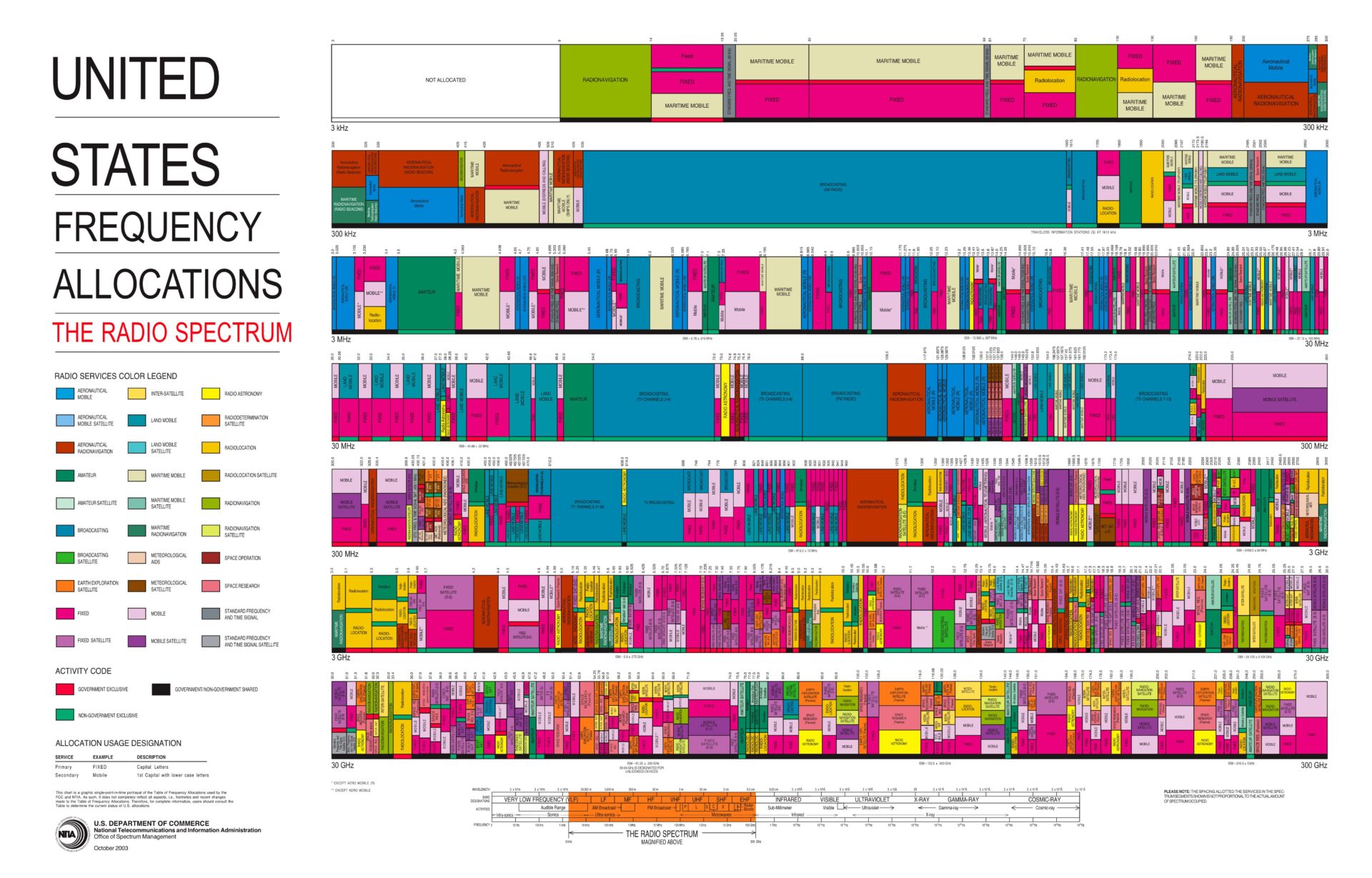
While often perceived simply as a medium for audio broadcasting, radio frequency (RF) technology encompasses a vast array of applications governed by strict international standards. The Federal Communications Commission (FCC) regulates these frequencies in the United States to prevent signal interference, ensuring that distinct services—such as aviation navigation, mobile telephony, and weather monitoring—can operate simultaneously without disruption. This structured management of the spectrum is what allows a smartphone to receive data packets while a nearby aircraft communicates with air traffic control using different segments of the same invisible medium.
How Radio Waves Shape Modern Connectivity
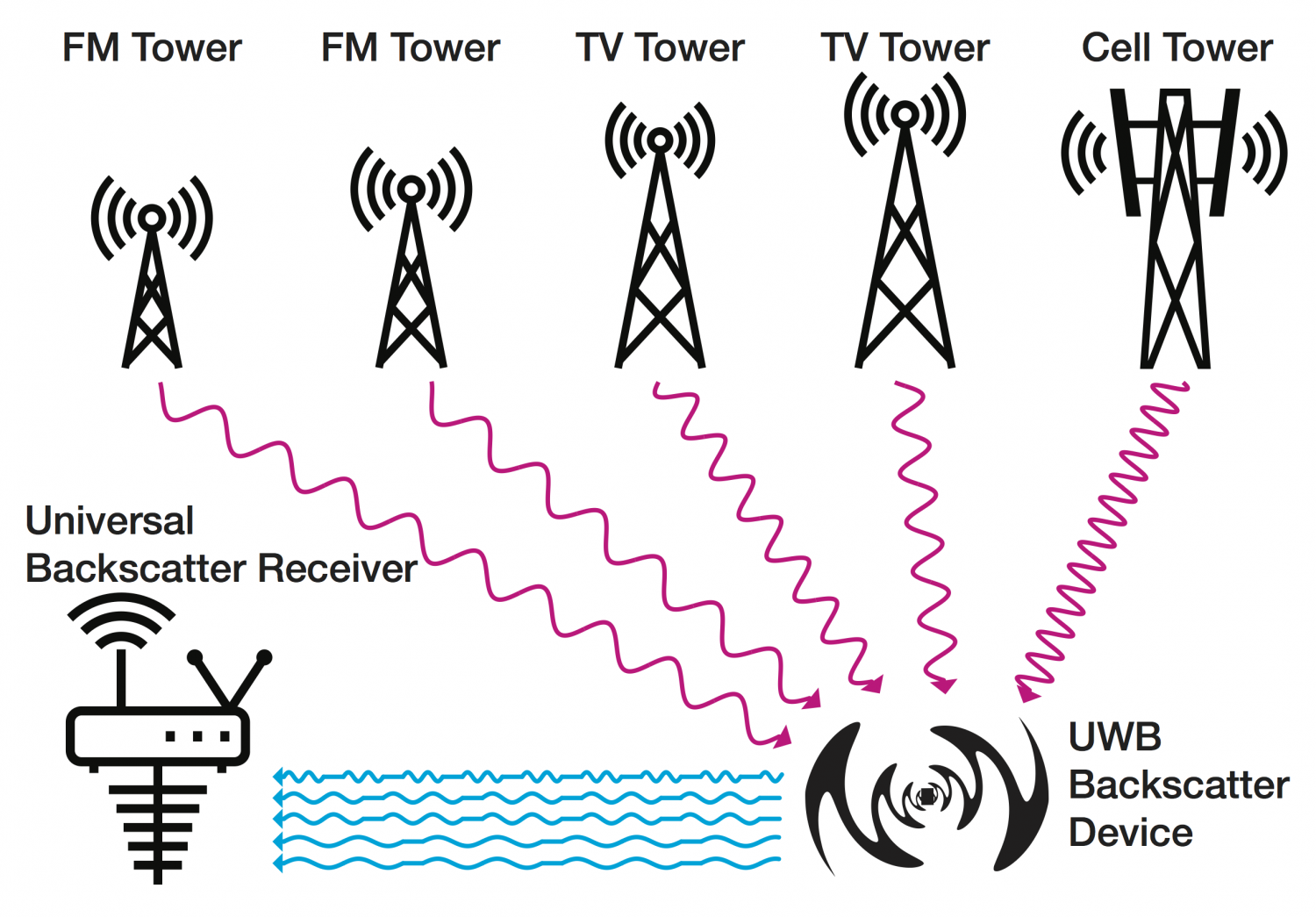
The ubiquity of radio waves in daily life is largely due to the development of wireless protocols that convert information into modulated electromagnetic signals. When a user sends a text message or streams high-definition video, that data is encoded into electromagnetic waves, transmitted via radio antennas, and decoded by a receiver. According to the Institute of Electrical and Electronics Engineers (IEEE), the advancement of modulation techniques—such as Orthogonal Frequency-Division Multiplexing (OFDM)—has been critical in increasing the data capacity of these waves, enabling the high-speed connectivity required for modern internet usage.

Beyond personal mobile devices, radio waves are critical to the Global Positioning System (GPS). GPS satellites orbit the Earth and continuously broadcast radio signals that include precise time stamps and location data. A receiver, such as one integrated into a vehicle or smartphone, calculates its position by measuring the time delay of signals received from multiple satellites. The U.S. government’s official GPS portal notes that this process relies on the highly stable atomic clocks on board each satellite, highlighting the extreme precision required to manage radio frequency transmissions for global infrastructure.
Managing the Invisible Spectrum
The management of radio frequencies is not merely a technical challenge but a geopolitical one. Because radio waves do not respect national borders, the ITU coordinates global spectrum allocation to ensure that terrestrial and satellite services do not interfere with one another across international boundaries. This harmonization is what allows a mobile device to function consistently when traveling between different countries. The National Telecommunications and Information Administration (NTIA) manages these allocations within the United States, working in tandem with the FCC to balance the needs of commercial industry, federal agencies, and public safety entities.
Interference remains a primary concern for regulatory bodies. As the density of wireless devices increases, the potential for “noise” within the spectrum grows. Engineers mitigate this through advanced signal processing and the use of higher frequency bands, such as the millimeter-wave spectrum used in 5G technology. These higher frequencies offer significantly more bandwidth but have a shorter range and are more easily blocked by physical obstacles, requiring a more dense network of small-cell infrastructure compared to traditional cellular towers.
Safety and Scientific Standards
Public discourse frequently touches upon the biological effects of radio frequency exposure. The World Health Organization (WHO) maintains that, to date, no adverse health effects have been established as being caused by mobile phone use, provided that exposure levels remain within the limits set by international guidelines. These guidelines are based on the thermal effects of RF energy—the ability of waves to heat biological tissue if intensity levels are high enough—and are designed with significant safety margins to protect the general population.
Scientific research into electromagnetic fields continues under the oversight of various national and international health agencies. Organizations like the International Commission on Non-Ionizing Radiation Protection (ICNIRP) publish updated guidance for limiting exposure to electromagnetic fields. These standards are reviewed periodically as new technological deployments, such as 6G research or expanded satellite internet constellations, introduce different patterns of RF usage into the human environment.
The Future of Wireless Communication
Looking ahead, the focus of radio frequency technology is shifting toward higher efficiency and greater integration. The move toward software-defined radio (SDR) allows hardware to be more flexible, where the functionality of a radio is determined by software rather than fixed physical components. This evolution is expected to play a central role in the development of the Internet of Things (IoT), where billions of sensors and devices will require reliable, low-power communication channels. Experts from the National Institute of Standards and Technology (NIST) are currently developing measurement methods to ensure that these next-generation wireless systems remain secure and resilient against jamming or spoofing.
As society grows more dependent on these invisible signals, the importance of maintaining a robust and regulated spectrum becomes clear. The next major international forum for spectrum management, the World Radiocommunication Conference, will continue to address the allocation of bands for emerging technologies. Readers interested in the latest policy shifts or technical advisories regarding spectrum usage can monitor the FCC’s official newsroom for updates on upcoming rulemakings and public consultations. Comments and inquiries regarding the impact of these technologies on local infrastructure are encouraged via the official channels provided by regional telecommunications regulators.
Related reading