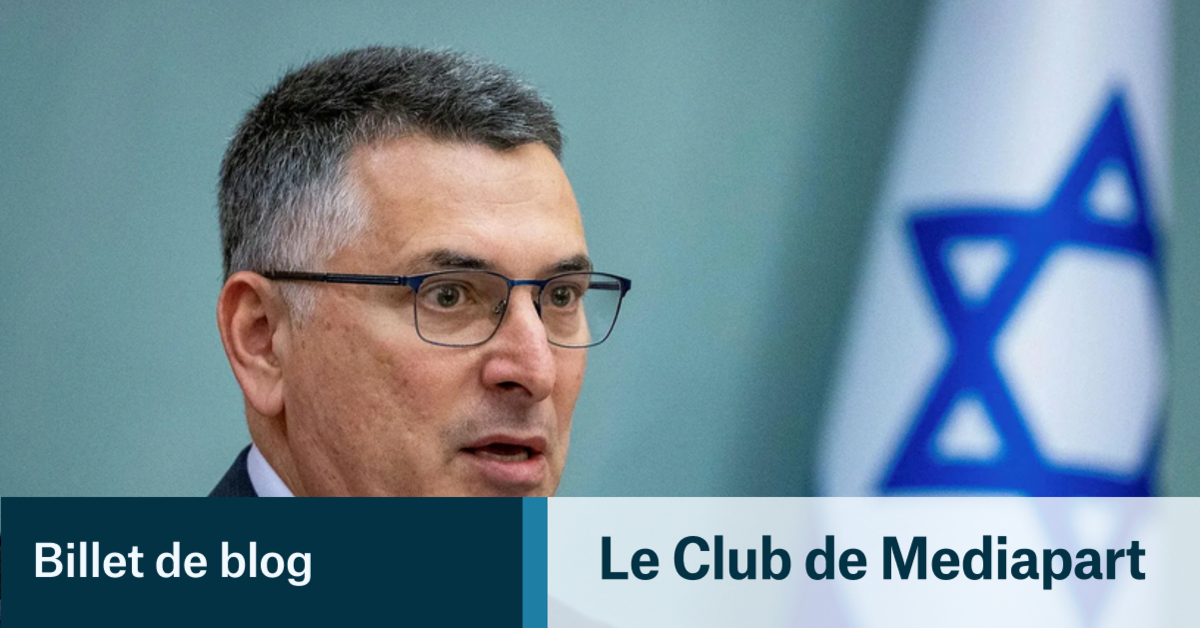
European Diplomatic Leadership Faces Test Amidst Kallas Nomination and Middle East Tensions
European leaders are navigating significant diplomatic friction as the European Union prepares for a transition in foreign policy leadership. The debate centers on the nomination of Estonian Prime Minister Kaja Kallas as the EU’s High Representative for Foreign Affairs and Security Policy, alongside diverging stances among member states, including Italy’s Giorgia Meloni, regarding the conflicts in Ukraine and the Middle East.
The current geopolitical climate has intensified calls for a shift toward substantive diplomacy rather than “bombardments and invectives,” a sentiment reflecting the growing tension between political rhetoric and effective mediation. As the European Council moves toward finalizing leadership roles, the ability of the EU to present a unified front on global security remains a primary concern for member states and international observers.
Why is Kaja Kallas’s nomination central to EU diplomacy?
The nomination of Kaja Kallas by European Commission President Ursula von der Leyen has become a focal point for discussions regarding the future of the European Union’s external action. Kallas, the Prime Minister of Estonia, is widely recognized for her hawkish stance on Russia, a position that has earned her support from several Eastern European nations but has also drawn scrutiny from those favoring a different approach to Moscow.
According to reports from Reuters, the appointment process for the High Representative is a complex political maneuver that requires consensus among both the European Commission and the European Parliament. Kallas’s background as a leader of a frontline state in the NATO alliance suggests a foreign policy direction that prioritizes security and deterrence. However, this perceived shift toward a more assertive posture has sparked debate among EU member states regarding the balance between military readiness and diplomatic engagement.
Critics of the nomination have raised concerns about how a more confrontational leadership style might affect the EU’s ability to mediate in other global theaters. The challenge for Kallas, should her nomination be confirmed, will be to harmonize the security concerns of the Baltic states with the diverse economic and political interests of Southern and Western European nations.
How is Giorgia Meloni influencing the European approach?
Italian Prime Minister Giorgia Meloni continues to play a decisive role in shaping the European Union’s collective response to international crises. Meloni has maintained a delicate balance between her domestic political base and the requirements of EU cohesion, particularly concerning the Israel-Hamas war.

Meloni has consistently expressed support for Israel’s right to defend itself following the October 7 attacks, a position that aligns her with several other major EU powers. However, her administration also participates in the broader EU efforts to advocate for humanitarian aid and the protection of civilians in Gaza. This duality reflects the wider struggle within the European Council to establish a unified humanitarian and security policy in the Middle East.
As reported by the Financial Times, Meloni’s influence extends beyond the Middle East to the EU’s broader migration and economic policies. Her ability to negotiate with the European Commission on these issues often dictates the speed and direction of EU-wide legislative shifts. The interplay between Meloni’s leadership in Rome and the proposed leadership in Brussels will likely define the EU’s ability to act as a cohesive global power in the coming years.
What is the push for diplomacy over “invective”?
The recent surge in political rhetoric—often described by observers as “invective”—has highlighted a growing gap between the use of forceful language and the achievement of diplomatic breakthroughs. In the context of the Israel-Hamas conflict and the ongoing war in Ukraine, many diplomats have argued that aggressive public statements may inadvertently hinder the negotiation processes necessary for long-term stability.
The concept of “diplomacy over bombardment” refers to a strategic preference for multifaceted negotiation, economic incentives, and mediation over purely military or verbal confrontation. For the European Union, this means navigating the transition from a period of crisis management to one of long-term strategic stability. This is particularly critical when considering the potential for a “post-war Israel,” where the political landscape will require extensive European involvement to ensure regional security and economic reintegration.
The tension is evident in how different EU leaders frame their objectives. While some advocate for a “peace through strength” approach, others emphasize the necessity of rebuilding diplomatic channels to prevent further escalation. This divide is not merely rhetorical; it has real-world implications for how the EU allocates its budget for foreign aid, security cooperation, and development projects.
Comparing European Leadership Perspectives
The following table outlines the varying strategic focuses currently observed among key European leadership figures regarding global security and diplomacy.
| Leader / Entity | Primary Strategic Focus | Key Diplomatic Priority |
|---|---|---|
| Kaja Kallas (Estonia) | Security and Deterrence | Strengthening NATO and EU defense against Russian aggression. |
| Giorgia Meloni (Italy) | Regional Stability & Cohesion | Balancing Middle East security with EU migration and economic policy. |
| European Commission | Unified External Action | Harmonizing diverse member state interests into a single foreign policy. |
| Eastern European Bloc | Frontline Defense | Prioritizing immediate security threats and military support for Ukraine. |
What are the implications for European security?
The outcome of the current leadership debates will have direct consequences for European security architecture. A shift toward a more centralized and assertive foreign policy, led by figures like Kallas, could lead to increased defense spending and a more integrated European military capability. Conversely, if the EU remains fragmented by the competing interests of its member states, its ability to influence global events may diminish.
The ability of the EU to move past “invective” and toward meaningful diplomacy will be tested by several upcoming milestones. These include the ongoing negotiations regarding the EU’s long-term budget, which will dictate the scale of support for both Ukraine and Middle Eastern humanitarian efforts, and the formal confirmation hearings for new EU officials in the European Parliament.
For stakeholders in the global market, these political shifts are significant. Stability in the Middle East and predictable security policies in Europe are essential for maintaining energy security and global trade flows. Investors and policymakers alike are closely monitoring how the next generation of EU leadership will manage these overlapping crises.
The next significant checkpoint in this process will be the upcoming sessions of the European Parliament, where the Kallas nomination and broader foreign policy frameworks will face formal scrutiny and votes.
We invite you to share your thoughts on the future of European diplomacy. Do you believe the EU should adopt a more assertive security stance, or should it focus on expanding its role as a diplomatic mediator? Leave a comment below and share this article with your network.
Keep reading