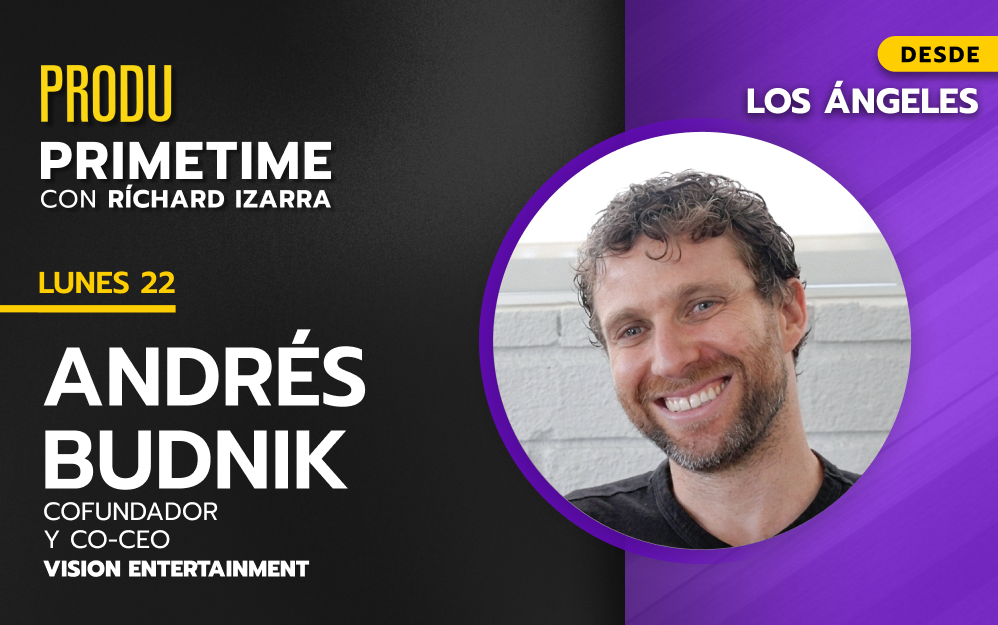
Andrés Budnik, a representative of Vision Entertainment, recently participated in a media segment hosted by Ríchard Izarra in Los Angeles to discuss the evolving landscape of content distribution. The interview, featured on the PRODUprimetime program, highlights the strategic role played by independent distributors in a media market increasingly dominated by global streaming platforms.
The discussion in Los Angeles centered on the operational focus of Vision Entertainment and its approach to navigating the complexities of modern media acquisition. While specific project details were shared within the context of the segment, the meeting underscored the ongoing importance of regional media hubs in shaping international content trends.
Who is Andrés Budnik and what is Vision Entertainment?
Andrés Budnik serves as a key figure for Vision Entertainment, a company recognized for its involvement in the acquisition and distribution of diverse film and television content. The company has historically focused on niche markets, including documentaries and independent cinema, providing a pipeline for specialized content to reach broader audiences through various digital and traditional channels.
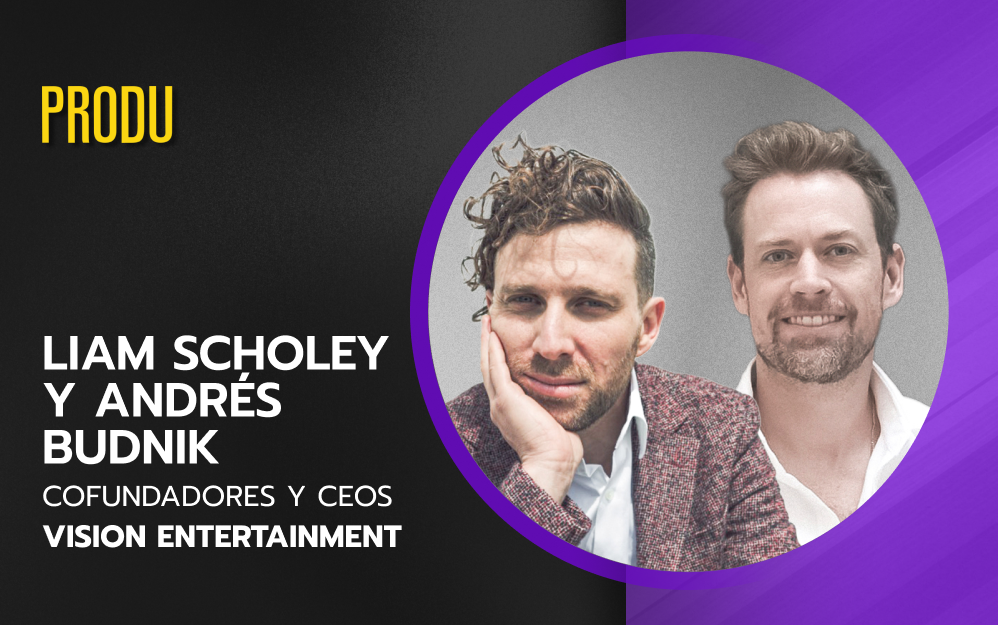
Vision Entertainment operates within a highly competitive segment of the entertainment industry. Unlike major studios that produce high-budget blockbusters, companies like Vision Entertainment often focus on the “middle market”—content that possesses strong storytelling or educational value but may not have the massive marketing budgets of conglomerate-owned entities. This role is critical for maintaining a diverse content ecosystem, ensuring that independent voices and specialized genres remain accessible to global viewers.
The company’s presence in Los Angeles places it at the epicenter of the global entertainment industry, allowing for direct engagement with creators, talent agencies, and fellow distributors. This proximity is essential for the rapid-fire negotiations and relationship-building required in the current content acquisition cycle.
How is the content distribution landscape changing in Los Angeles?
The interview between Ríchard Izarra and Budnik occurs at a time when the methods used to distribute media are undergoing a significant technological shift. Traditionally, distributors relied on a windowing system, where content moved from theaters to home video, and eventually to television. Today, that model is being compressed or entirely bypassed by direct-to-consumer streaming services.
.png/600px-Digital_Vision_Entertainment_(1988).png "How is the content distribution landscape changing in Los Angeles?")
According to industry analysts, several factors are driving this transformation:
- Data-Driven Acquisition: Distributors are increasingly using predictive analytics to determine which independent films or documentaries have the highest probability of success on specific streaming platforms.
- The Rise of Niche Platforms: While Netflix and Disney+ dominate the mainstream, specialized platforms are emerging to cater to specific genres, creating new opportunities for companies like Vision Entertainment.
- Global Accessibility: Digital distribution allows a film acquired in Los Angeles to be released simultaneously in dozens of international markets, significantly increasing the potential return on investment for independent content.
For professionals like Budnik, the challenge lies in balancing these technological advancements with the traditional art of curation. The ability to identify “the next hit” now requires a combination of creative intuition and a sophisticated understanding of digital viewership metrics.
Why the interview with Ríchard Izarra matters for the media industry
Media segments like PRODUprimetime serve as vital platforms for industry transparency and professional networking. By bringing executives like Andrés Budnik into the public eye, these interviews provide stakeholders—including producers, filmmakers, and investors—with insights into the current priorities of major distribution players.
The exchange highlights a broader trend in business journalism: the move toward explaining the “how” of the entertainment business rather than just the “what.” Instead of merely announcing movie releases, modern media coverage focuses on the mechanics of the industry, such as how content moves from a production house to a global audience.
For the technology-focused observer, this intersection of media and business is increasingly defined by software and algorithms. The tools used by distributors to manage rights, track royalties, and analyze audience engagement are becoming as important as the content itself. As the industry continues to integrate more advanced AI and machine learning tools, the roles of executives in acquisition and distribution will continue to evolve.

Key Industry Context: Distribution Models
| Feature | Traditional Distribution | Modern Streaming/Digital |
|---|---|---|
| Primary Window | Theatrical Release | Direct-to-Digital / SVOD |
| Audience Reach | Regional/Territorial | Global/Instantaneous |
| Data Feedback | Box Office Reports (Delayed) | Real-time User Analytics |
| Content Lifecycle | Linear/Sequential | On-Demand/Cyclical |
The shift toward digital-first models has lowered the barrier to entry for some creators while simultaneously increasing the difficulty of standing out in an oversaturated marketplace. Companies that can successfully navigate both the creative and the technical requirements of this new era are likely to maintain a competitive advantage.
The next scheduled updates regarding Vision Entertainment’s upcoming distribution slate or specific content acquisitions are expected to be released through official company press statements or major industry trade publications.
Have thoughts on the changing role of independent distributors? Share your comments below and join the conversation on the future of media.
Keep reading