
Reports from several Chinese-language news outlets suggest significant progress in indirect negotiations between the United States and Iran. While the Iranian Ministry of Foreign Affairs has reportedly indicated that an agreement document has been reached, official confirmation from the U.S. State Department or the White House has not yet been issued to verify the status of a formal deal.
The reports, which surfaced through outlets such as the Observer and Oriental Fortune, claim that a first round of high-level talks has concluded. According to these reports, the discussions have moved into a technical phase, aimed at finalizing the specific mechanisms of a potential agreement. While the news has triggered positive movement in some regional financial markets, international diplomats remain in a period of cautious observation as they await official statements from both Washington and Tehran.
What are the reported developments in the US-Iran negotiations?
According to reports circulating in Chinese financial media, the Iranian Ministry of Foreign Affairs has stated that an agreement document has been reached with U.S. representatives. These reports suggest that the discussions have transitioned from broad political frameworks to more granular “technical negotiations.” These technical sessions are intended to address the specificities of sanctions relief, nuclear monitoring, and compliance measures.
The news has been characterized by some outlets as “encouraging progress” in de-escalating the long-standing tensions between the two nations. However, it is important to note that as of this writing, no official joint statement has been released by the United States or Iran. In previous cycles of diplomacy, “technical talks” have often preceded formal political breakthroughs, but they have also frequently stalled over specific details regarding uranium enrichment levels and the lifting of economic restrictions.
The reports also mention that a joint statement involving regional mediators, specifically referencing Qatar and Pakistan in some contexts, has signaled the conclusion of the initial high-level meeting phase. It remains unclear how much direct influence these specific nations have exerted on the current round of talks, though Qatar has historically served as a primary intermediary for back-channel communications between the U.S. and Iran.
How are regional markets responding to the news of potential progress?
The reports of a potential breakthrough have had an immediate, though localized, impact on financial markets. Following the news, equity markets in Japan and South Korea saw upward movement, as investors reacted to the possibility of reduced geopolitical volatility in the Middle East. Decreased tension between the U.S. and Iran is often viewed by global markets as a catalyst for lower energy prices and improved stability in international shipping lanes, particularly near the Strait of Hormuz.


Market analysts note that the reaction in Asian markets reflects a broader “risk-on” sentiment that occurs when major geopolitical flashpoints appear to be moving toward a diplomatic resolution. If the reported “agreement document” leads to a sustained reduction in sanctions, the impact could extend beyond regional equities to global commodities, specifically crude oil and liquefied natural gas (LNG).
While the stock market rallies in East Asia provide a snapshot of investor sentiment, economists warn that these moves are speculative until the terms of any potential agreement are codified. The volatility inherent in Middle Eastern diplomacy means that any discrepancy between reported progress and the actual text of a final deal could lead to rapid market corrections.
Why do technical negotiations matter for a final deal?
In the context of US-Iran diplomacy, “technical negotiations” refer to the highly specialized discussions held between subject-matter experts rather than high-ranking political officials. These sessions typically involve nuclear physicists, international law experts, and economists. The goal is to translate broad political intentions—such as “sanctions relief” or “nuclear restraint”—into enforceable, measurable, and verifiable protocols.
Key areas of focus in these technical rounds typically include:
- Nuclear Monitoring: Establishing the specific protocols for International Atomic Energy Agency (IAEA) inspectors to access and monitor Iranian nuclear sites.
- Sanctions Mechanisms: Defining exactly which economic sectors will see relief and the legal framework under which frozen assets might be released.
- Verification Timelines: Setting clear dates and milestones for both sides to demonstrate compliance, often referred to as “breakout time” measurements.
- Enforcement Protocols: Determining the “snapback” mechanisms that would allow sanctions to be re-imposed if one party violates the terms.
The transition to technical talks is often seen as a sign that the most difficult political hurdles—such as the fundamental recognition of each other’s interests—have been cleared, leaving only the logistical details to be resolved. However, history shows that technical details can often be the most difficult to settle, as they involve the core security concerns of both nations.
What is the role of regional mediators in these talks?
Because the United States and Iran do not maintain formal diplomatic relations, almost all high-level communication occurs through third-party intermediaries. Countries like Qatar and Oman have long played a central role in facilitating these “back-channel” discussions. These mediators provide a neutral ground where diplomats can speak without the immediate political pressure of public scrutiny.
The involvement of regional actors serves several strategic purposes:
First, they provide a layer of deniability and privacy that allows both sides to explore concessions without appearing weak to domestic audiences. Second, they act as “interpreters” of intent, helping to clarify the nuances of a proposal to avoid accidental escalations. Third, regional mediators often have a direct interest in the outcome, as stability in the Persian Gulf is essential for their own economic and national security.
While the recent reports mention a joint statement involving Qatar and Pakistan, the primary role of mediation in the Middle East has traditionally been centered on Gulf states. The effectiveness of these intermediaries often depends on their ability to maintain the trust of both Washington and Tehran simultaneously.
Historical Context: From the JCPOA to the current stalemate
To understand the significance of the current reported progress, it is necessary to view it against the backdrop of the Joint Comprehensive Plan of Action (JCPOA), commonly known as the Iran nuclear deal. Signed in 2015, the JCPOA was designed to limit Iran’s nuclear capabilities in exchange for the lifting of international sanctions. The agreement faced a major setback in 2018 when the United States withdrew from the deal under the “maximum pressure” campaign, leading to a cycle of increased Iranian enrichment and renewed economic sanctions.
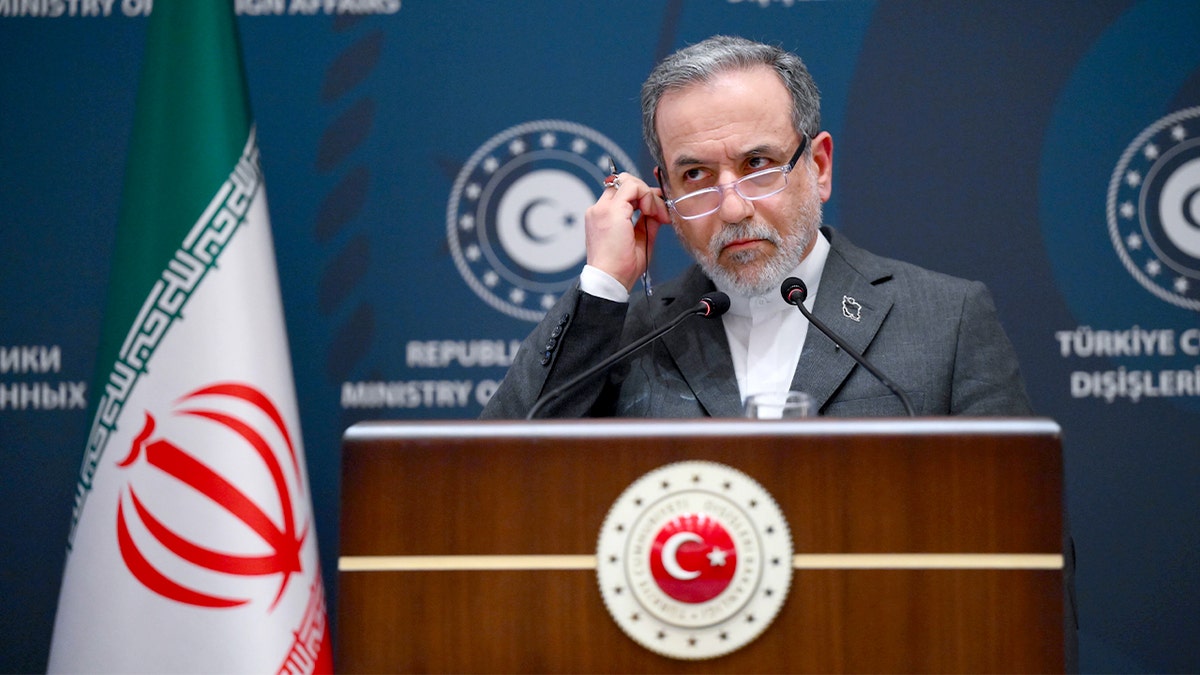
Since the withdrawal, diplomatic efforts have been characterized by a series of “stop-and-start” negotiations. Previous attempts to revive the JCPOA or create a “less-for-less” interim deal have struggled with issues of trust, the scope of sanctions relief, and the long-term guarantees required by both sides. The current reports of “technical negotiations” suggest that diplomats may be attempting to build a new framework that addresses the realities of the post-2018 landscape, rather than simply attempting to resurrect the original 2015 agreement.
The success of these current talks will likely depend on whether the new “agreement document” can provide enough security to satisfy the U.S. Congress and enough economic viability to satisfy the Iranian leadership.
Comparison of Reporting Perspectives
| Feature | Reported via Chinese Media (Observer/Oriental Fortune) | Official Western/International Status |
|---|---|---|
| Status of Agreement | Agreement document reportedly reached. | No official confirmation of a signed document. |
| Negotiation Stage | Technical negotiations underway. | Unconfirmed; indirect talks are widely suspected but not officially detailed. |
| Primary Focus | Encouraging progress and high-level conclusions. | Ongoing monitoring of nuclear enrichment and regional stability. |
The next confirmed checkpoint in this process will be an official briefing from the U.S. State Department or a formal statement from the Iranian Ministry of Foreign Affairs. Until such a statement is released, the reports of an “agreement document” should be treated as unverified developments in an ongoing diplomatic process.
Do you believe these reported technical talks will lead to a permanent diplomatic breakthrough? Share your thoughts in the comments below and share this article to keep your network informed.
Keep reading
- UAE Minister Reem Al Hashimy Attends Presidential Inauguration in Colombia
- Nick’s Beer Garden Chicago: Wicker Park After Dark Event Guide
- Dublin Killer Freed After 45 Years: 63-Year-Old Released From Prison (archyworldys.com)
- Syria and Russia Reach Agreement on Military Bases in Hmeimim and Tartus (world-today-news.com)