
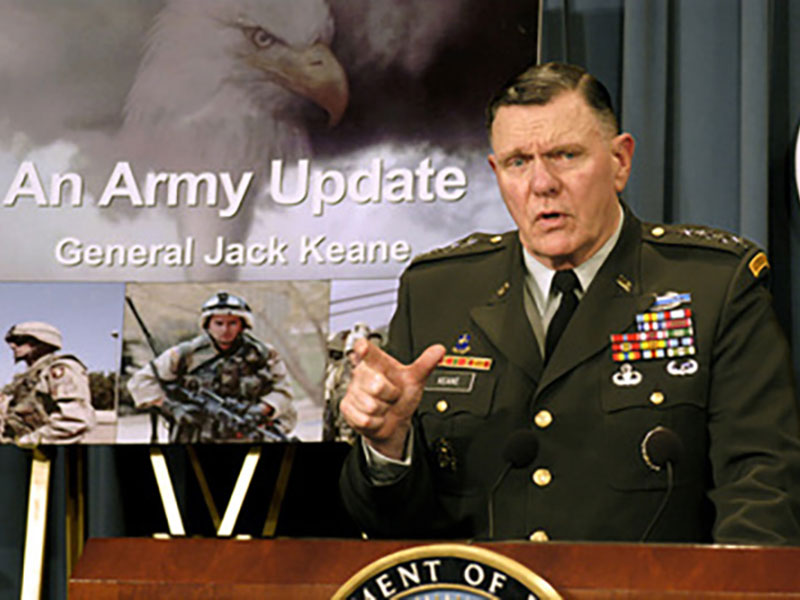
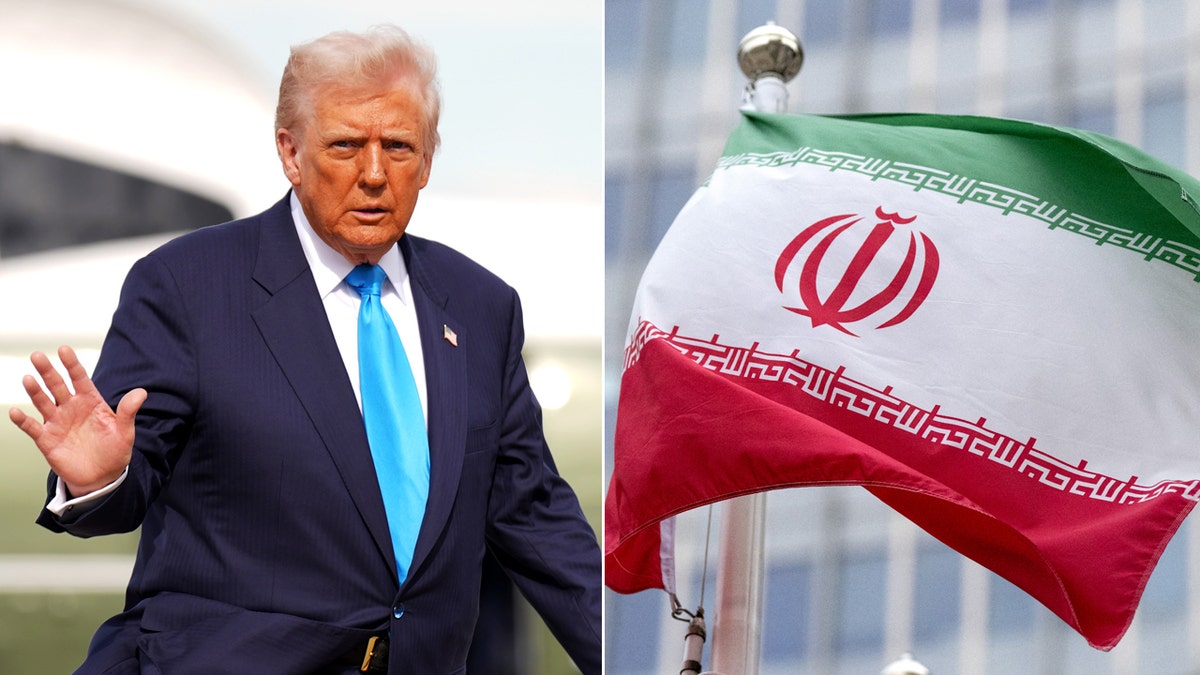
Retired General Jack Keane recently characterized a potential memorandum of understanding between the United States and Iran as a “major shift” in the Trump administration’s broader strategy for the Middle East. According to statements made during a broadcast interview with John Catsimatidis, the retired four-star general suggested that the administration is increasingly prioritizing economic and political objectives over traditional military engagements in the region.
This assessment follows a period of heightened regional volatility and fluctuating diplomatic stances regarding the Islamic Republic. While specific details of any formal memorandum remain subject to intense scrutiny, the commentary highlights a broader debate among national security analysts regarding how the United States balances deterrence with diplomatic pressure. As the administration navigates its foreign policy agenda, the focus on economic leverage—such as sanctions and trade-based incentives—appears to be gaining prominence over the deployment of conventional military assets.
Shifting Foreign Policy Priorities
The core of the discussion centers on whether the United States is fundamentally altering its approach to Iranian influence. General Keane, who served as the Vice Chief of Staff of the United States Army, argued that the current trajectory suggests a move away from the military-heavy posture that characterized much of the post-9/11 era. By emphasizing economic and political instruments, the administration aims to curb Iranian regional activities without the immediate threat of kinetic intervention.

This strategy aligns with broader administration goals to reduce the footprint of U.S. forces in the Middle East while maintaining pressure on regional adversaries. According to the U.S. Department of State, the current policy toward Iran remains focused on a multi-faceted approach that includes economic sanctions, diplomatic isolation, and the strengthening of regional alliances to counter destabilizing activities.
The Role of Economic Leverage
Economic pressure remains the primary tool for the United States in managing its relationship with Tehran. The administration has frequently utilized the Treasury Department’s Office of Foreign Assets Control to target specific sectors of the Iranian economy, including oil exports and the financial system. These measures, as documented by the U.S. Department of the Treasury, are designed to limit the resources available to the Iranian government for regional military operations and proxy support.
Analysts note that while military deterrence—represented by the presence of U.S. carrier strike groups and regional bases—remains a backdrop to these discussions, the political utility of this force has changed. The shift described by observers is not necessarily an abandonment of military readiness, but rather a realignment where the military serves as a guarantor for the success of economic policies rather than the primary instrument of statecraft.
Historical Context and Regional Dynamics
To understand the significance of this potential shift, one must consider the historical context of U.S.-Iran relations. Since the 1979 revolution, the two nations have engaged in a cycle of confrontation and intermittent dialogue. Past attempts at formalizing agreements, such as the Joint Comprehensive Plan of Action (JCPOA) finalized in 2015, were heavily criticized by advocates of a more confrontational stance, who argued that such deals provided the Iranian government with resources that were eventually redirected toward regional military expansion.
The current discourse reflects a desire to avoid the perceived pitfalls of previous diplomatic efforts. By focusing on “economic and political objectives,” the administration appears to be attempting to build a framework that is more resilient to the shifting sands of domestic politics in both Washington and Tehran. However, critics of this approach warn that relying too heavily on economic measures may not be sufficient to deter specific military actions, such as those involving maritime security in the Strait of Hormuz or the activities of non-state actors supported by the Islamic Revolutionary Guard Corps (IRGC).
What Happens Next?
As the administration continues to calibrate its Middle East strategy, observers are looking for signals from upcoming diplomatic summits and potential shifts in sanctions enforcement. The effectiveness of this “major shift” will likely be measured by the ability of the United States to contain Iranian regional activities while avoiding a direct military conflict. Official updates regarding foreign policy adjustments are typically disseminated through the White House Briefing Room, which serves as the primary source for the administration’s stated objectives.
The next major checkpoint for these policies will likely involve the periodic review of sanctions regimes and the ongoing coordination with regional partners, including Israel and Gulf Cooperation Council (GCC) states. Stakeholders are monitoring whether these economic-first strategies will lead to a change in Iranian behavior or if the lack of a prominent military threat will embolden regional escalations. Public feedback and ongoing policy analysis remain essential as the administration refines its approach to one of the most complex geopolitical challenges in modern history.
We welcome your perspectives on this evolving situation. Please share your thoughts in the comments section below to join the discussion on the future of international relations in the Middle East.
Worth a look