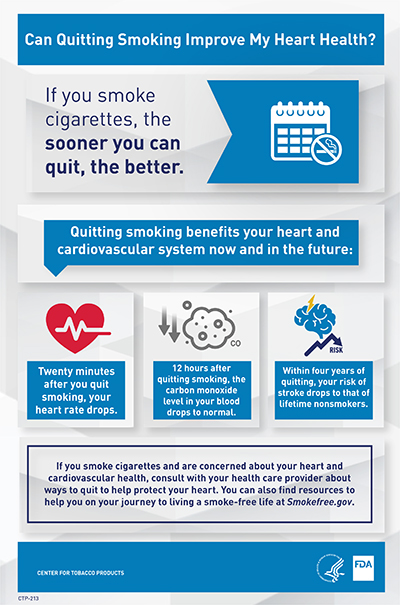
When an individual stops smoking, the body initiates a nearly immediate recovery process that spans from cellular repair within hours to a significantly reduced risk of cardiovascular disease over several years. According to the U.S. Centers for Disease Control and Prevention (CDC), the heart rate and blood pressure begin to drop just 20 minutes after the last cigarette, marking the start of a physiological cascade toward improved health. This recovery trajectory is consistent across major organ systems, though the timeline for full restoration of function varies significantly depending on the duration and intensity of past tobacco use.
As a physician, I frequently see patients who struggle with the psychological and physical hurdles of nicotine cessation. Understanding the biological timeline of recovery is more than just a medical curiosity; it is a vital tool for managing the withdrawal phase. The process is not merely about avoiding a substance, but about allowing the body’s innate regenerative mechanisms to resume function after being suppressed by thousands of toxic chemicals found in combustible tobacco.
The Immediate Physiological Response: The First 48 Hours
The most dramatic changes occur within the first two days of smoking cessation. Within 12 hours, the levels of carbon monoxide in the blood return to normal, which allows the blood to carry more oxygen to vital tissues. This shift is critical because carbon monoxide binds to hemoglobin more effectively than oxygen, effectively starving the heart and muscles during periods of active smoking. By the 24-hour mark, the risk of a heart attack begins to decrease as the heart and blood vessels show signs of stabilization, according to the World Health Organization (WHO).
The 48-hour milestone is often physically challenging but biologically significant. At this stage, damaged nerve endings begin to regrow, and the senses of smell and taste start to return to their baseline. While the physical craving for nicotine is often at its peak during this window due to the rapid decline of the substance in the bloodstream, the body is effectively purging residual toxins. The National Cancer Institute notes that this early phase represents the most acute period of withdrawal, as the brain’s nicotinic receptors begin to adjust to the absence of external stimulation.
Respiratory Recovery and Lung Function
The lungs undergo a complex healing process that continues long after the initial withdrawal symptoms subside. Within two to three months of quitting, lung function improves by up to 30%, which manifests as a reduction in coughing and shortness of breath. This improvement occurs because the cilia—the tiny, hair-like structures in the airways—begin to regain their function, allowing them to clear mucus and debris more effectively, according to the American Lung Association.
Over the following nine months, the chronic inflammation of the bronchial tubes begins to subside. While the damage to the alveoli—the tiny air sacs responsible for gas exchange—is often irreversible in cases of chronic obstructive pulmonary disease (COPD), the overall capacity for physical exertion increases as airway resistance decreases. This recovery timeline is crucial for patients who have experienced chronic bronchitis, as the reduction in respiratory irritation significantly lowers the frequency of infection-related hospitalizations.
Long-Term Cardiovascular and Cancer Risk Reduction
The long-term benefits of quitting are cumulative and provide the most substantial protection against chronic disease. One year after smoking cessation, the excess risk of coronary heart disease is reduced by half compared to that of a current smoker. By the five-year mark, the risk of developing cancers of the mouth, throat, esophagus, and bladder is cut in half, while the risk of cervical cancer falls to that of a non-smoker, as reported by the American Cancer Society.
Ten years after quitting, the risk of dying from lung cancer is approximately half that of someone who still smokes. By 15 years, the risk of coronary heart disease returns to the level of a person who has never smoked. These figures are based on longitudinal data tracking thousands of former smokers, confirming that the body’s ability to repair DNA and regulate cellular growth is remarkably resilient even after years of exposure to carcinogens.
Managing the Psychological Component of Addiction
Medical literature increasingly emphasizes that nicotine addiction is a chronic condition rather than a failure of willpower. Behavioral support and, where appropriate, pharmacotherapy—such as nicotine replacement therapy or prescription medications like varenicline—are standard clinical recommendations for those struggling with the physiological aspects of quitting. According to the National Institute for Health and Care Excellence (NICE), combining behavioral counseling with cessation aids significantly increases the success rates for long-term abstinence compared to “cold turkey” methods.
Understanding that the brain’s reward pathways are rewired during nicotine use is essential for patients. The irritability, anxiety, and difficulty concentrating during the first weeks are not signs of weakness; they are the predictable neurological responses of a brain adapting to the loss of a dopamine-triggering substance. Clinical guidance suggests that these symptoms are temporary and generally peak within the first two weeks before gradually fading.
| Time Since Quitting | Primary Health Benefit |
|---|---|
| 20 Minutes | Heart rate and blood pressure drop. |
| 12 Hours | Blood carbon monoxide levels normalize. |
| 1 Year | Coronary heart disease risk is halved. |
| 10 Years | Lung cancer death risk is halved. |
| 15 Years | Heart disease risk equals that of a non-smoker. |
The path to a smoke-free life is a progressive journey rather than a single event. For those seeking personalized assistance, the next step is often a consultation with a primary care provider to discuss a cessation plan that addresses both the physical dependence and the behavioral habits associated with smoking. Readers are encouraged to share their experiences in the comments below or consult their local health authority for access to smoking cessation programs and support groups.
Keep reading