
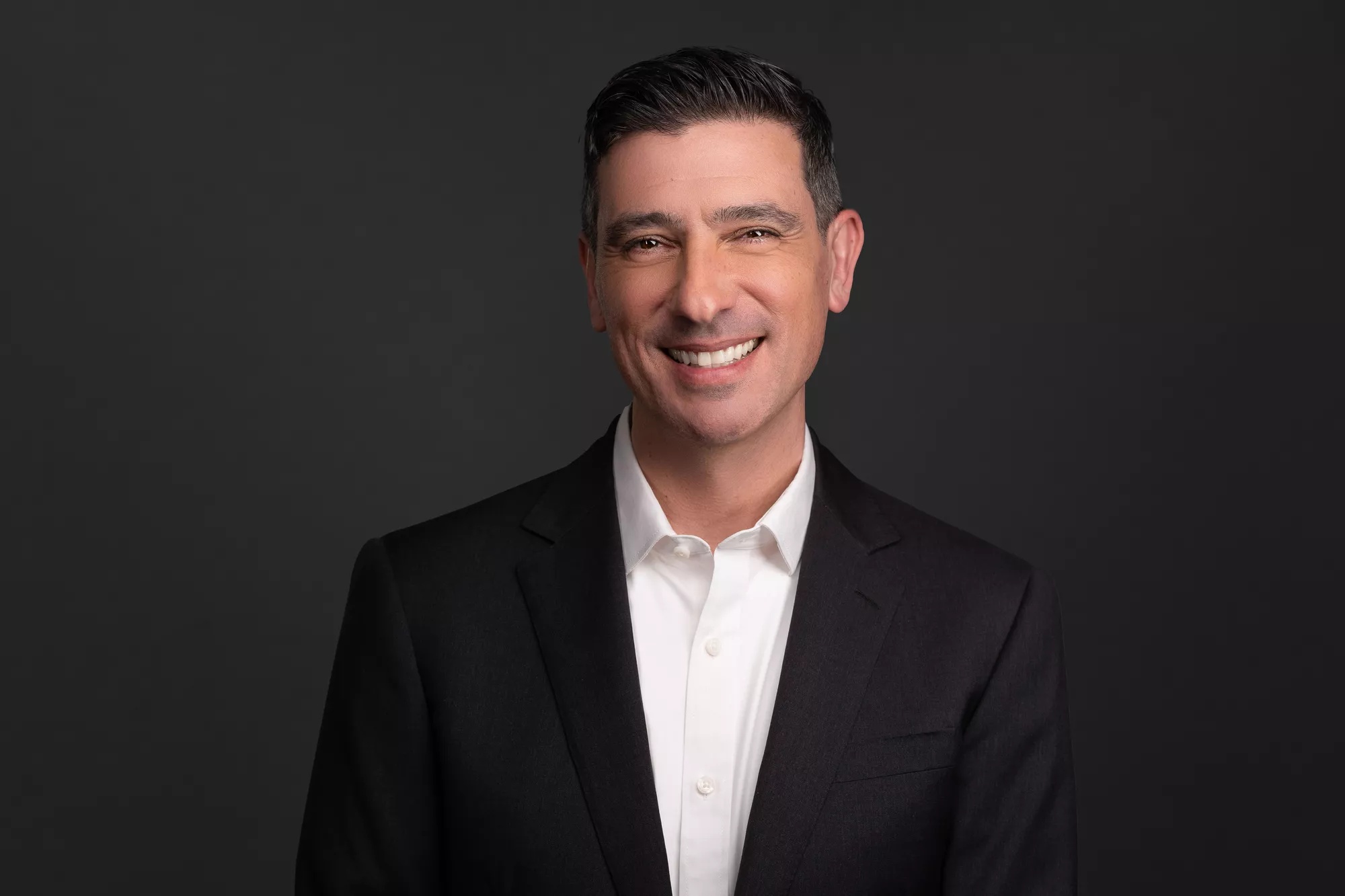
Bose Corporation is expanding its business operations beyond audio hardware into media production through the launch of Bose Studios and a new music label, Bose Records. Chief Marketing Officer Jim Mollica stated the initiative is part of a broader strategic move to transition the company away from traditional “campaign-driven marketing” toward a model centered on original content creation.
The expansion marks a significant pivot for the audio technology firm, which has historically focused on the manufacturing and sale of headphones, speakers, and home audio systems. By establishing a dedicated studio and a record label, Bose intends to integrate media production directly into its brand identity, aiming to engage consumers through storytelling and music rather than through standard advertising cycles.
What are Bose Studios and Bose Records?
Bose Studios serves as the company’s new creative hub, designed to produce high-quality multimedia content. According to an interview with Business Insider, the studio will facilitate the creation of original media that aligns with the company’s brand values. This move is intended to provide a platform for content that resonates with audio enthusiasts and lifestyle consumers alike.
Complementing the studio is Bose Records, a new music label managed by the company. Unlike traditional hardware marketing, which focuses on the technical specifications of a product, Bose Records will focus on the curation and promotion of musical talent. This development suggests that Bose aims to control the entire ecosystem of the listening experience—from the production of the music to the hardware used to hear it.
Why is Bose shifting its marketing strategy?
The decision to enter the media space stems from a perceived need to evolve how the company communicates with its global audience. Jim Mollica, Bose Chief Marketing Officer, explained that the company is moving away from “campaign-driven marketing.” In a traditional model, brands create specific, time-bound advertising campaigns to promote new products. In contrast, a content-driven model focuses on building a continuous relationship with the audience through ongoing media output.
This strategy mirrors a trend seen among several global lifestyle brands that have successfully transitioned into media entities. By producing its own content, Bose can potentially reduce its reliance on third-party media buys and advertising agencies, while gaining more direct control over its brand narrative. This shift allows the company to occupy a space in the consumer’s lifestyle, rather than just appearing as a vendor during a product launch.
The “Red Bull” model of brand-led media
Industry analysts often point to Red Bull as the primary example of a brand that has successfully bypassed traditional advertising in favor of becoming a media powerhouse. Red Bull does not merely sponsor extreme sports; it produces high-quality documentaries, live events, and digital content that functions as a standalone media company. This approach creates a self-sustaining loop where the content drives brand affinity, which in turn drives product sales.
Bose appears to be pursuing a similar path, albeit within the audio and music sectors. While Red Bull uses media to sell energy drinks, Bose intends to use media—specifically music and high-fidelity content—to reinforce the necessity of its audio hardware. If successful, the company could transform from a hardware manufacturer into a lifestyle brand that consumers engage with daily through digital platforms and streaming services.
Challenges in entering the music industry
Despite the strategic logic, entering the music industry presents significant operational and competitive hurdles. The music business is characterized by high overhead costs, complex royalty structures, and intense competition from established major labels such as Universal Music Group, Sony Music Entertainment, and Warner Music Group.
Historically, many corporations have attempted to launch record labels to bolster their marketing efforts, only to struggle with the specialized demands of artist management and talent scouting. Success in the music industry requires more than high-quality audio equipment; it necessitates a deep understanding of cultural trends, talent development, and the nuances of digital streaming economics. Bose will need to demonstrate that it can navigate these complexities to provide value to artists while maintaining its core identity as a technology company.
Key Strategic Shifts at Bose
| Feature | Traditional Model | New Media Model |
|---|---|---|
| Primary Focus | Hardware manufacturing and specs | Content creation and storytelling |
| Marketing Method | Campaign-driven advertisements | Continuous media engagement |
| Core Entities | Product lines (Headphones, Speakers) | Bose Studios and Bose Records |
| Consumer Relationship | Transactional (Purchase-based) | Lifestyle-integrated (Engagement-based) |
The transition from a product-centric approach to a content-centric approach represents a fundamental change in how Bose defines its value proposition. While the hardware remains the physical touchpoint, the media assets produced by Bose Studios and Bose Records will serve as the primary driver of brand awareness and emotional connection.

As Bose begins to roll out its first projects under the Bose Studios banner, industry observers will be watching to see if the company can successfully balance its technical heritage with the creative demands of a media organization. The effectiveness of Bose Records will likely depend on its ability to attract authentic musical talent that views the partnership as a creative opportunity rather than a corporate marketing exercise.
Further updates regarding Bose Studios’ first content releases and official artist signings are expected in the coming months. For those following changes in corporate media strategies, official announcements from Bose Corporation’s newsroom will provide the most direct information.
What do you think about hardware companies moving into media production? Share your thoughts in the comments below and share this article with your network.