
French authorities have recovered a stolen Pablo Picasso painting during a routine drug raid in the suburbs of Paris. The artwork, identified by experts as a portrait of the artist’s muse and partner Marie-Thérèse Walter, was discovered by police officers conducting a search related to an ongoing narcotics investigation. According to reports from the Le Monde, the piece was found in the possession of individuals linked to local criminal networks, prompting an immediate investigation by the Central Office for the Fight Against Traffic in Cultural Goods (OCBC).
The recovery of the Picasso portrait highlights the ongoing intersection between organized crime and the illicit art trade. While the investigation remains in its early stages, law enforcement officials have confirmed that the painting was listed in international databases of stolen cultural property. The discovery, which occurred during a broader crackdown on drug trafficking in the Île-de-France region, adds a significant recovery to the list of works successfully tracked down by French authorities, as noted by the French Ministry of Culture.
The Discovery Amidst a Narcotics Operation
The painting was located unexpectedly during a police operation targeting a drug distribution ring in the northern suburbs of Paris. Officers conducting a search of a residential property discovered the artwork concealed in a storage area. Initially, the officers were focused on seizing narcotics and evidence of money laundering, but the presence of a work of such historical significance necessitated the involvement of specialized art theft investigators.
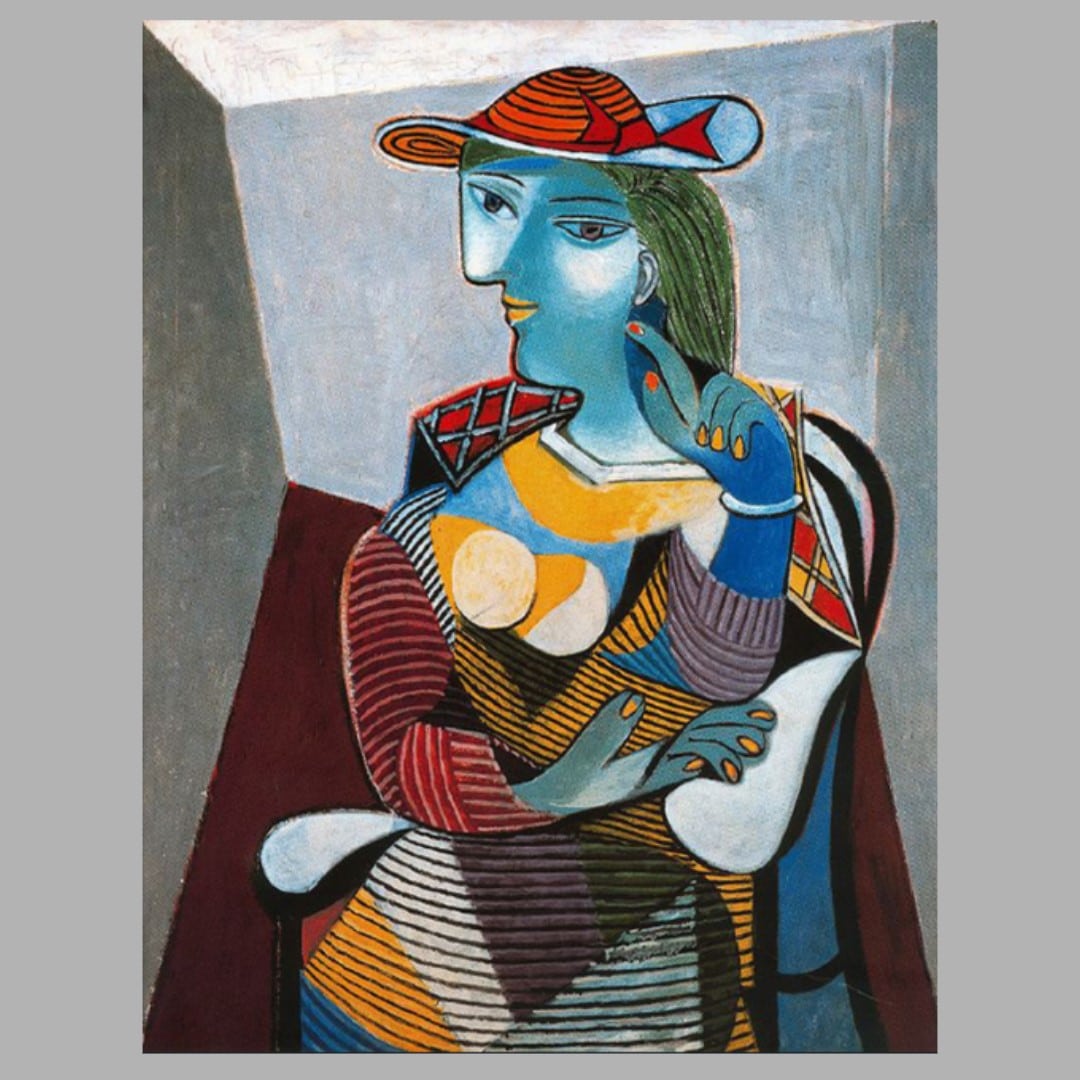
According to the Interpol Stolen Works of Art Database, recovered items undergo a rigorous verification process to confirm their provenance and ensure they match the descriptions of works reported stolen by galleries or private collectors. In this case, the portrait—depicting Marie-Thérèse Walter, who was a central figure in Picasso’s work during the late 1920s and 1930s—was quickly cross-referenced against existing police files. The individuals apprehended at the scene are currently being held pending further inquiry into their potential connection to broader art smuggling rings.
Understanding the Illicit Art Trade
The illicit trade of high-value art remains a persistent challenge for global law enforcement. Experts suggest that criminals often use stolen masterpieces as a form of currency or collateral in drug and arms trafficking. Because these items are difficult to sell on the open market, they frequently move through “shadow” channels, remaining hidden for years until a secondary crime—such as a drug bust—leads to their recovery.
The UNESCO Convention on the Means of Prohibiting and Preventing the Illicit Import, Export and Transfer of Ownership of Cultural Property provides the international framework for such recoveries. By utilizing databases that track stolen art globally, French police were able to establish the painting’s history once it was recovered. This incident underscores the importance of inter-agency cooperation between narcotics units and cultural heritage protection squads, as criminal syndicates often diversify their portfolios to include high-value, portable assets like fine art.
What Happens to the Recovered Painting Next
The painting has been placed in the custody of the state for preservation and formal authentication. Following the initial recovery, the work will undergo expert analysis to verify its condition and ensure that the piece is indeed the authentic portrait of Marie-Thérèse Walter. The legal process will involve confirming the rightful owner, who may be a private collector or a museum, depending on the details of the original theft report.
The next scheduled step in this case is a formal hearing to determine the charges for the suspects apprehended during the raid. Prosecutors are expected to present evidence linking the accused to both the narcotics operation and the illegal possession of the stolen painting. As the investigation into the provenance and the theft of the work continues, the French Ministry of Justice will coordinate with international authorities to facilitate the eventual return of the piece to its legal owner. Updates regarding the legal proceedings are expected to be released through official court channels in the coming months.
For more information on global efforts to combat the theft of cultural property, readers are encouraged to consult the resources provided by the International Council of Museums. We invite our readers to share their thoughts on the recovery of this historic work in the comments section below.
Related reading