
Wildlife populations in the Chernobyl Exclusion Zone (CEZ) are experiencing significant shifts in behavior and habitat usage as a result of the ongoing conflict in Ukraine. While the area has served as a de facto nature reserve for decades following the 1986 nuclear disaster, the arrival of military personnel and heavy machinery has introduced new stressors to species that had adapted to an environment largely devoid of human interference, according to reports from ecological researchers monitoring the region.
The Chernobyl Exclusion Zone, a 2,600-square-kilometer area surrounding the damaged reactor, has functioned as a unique long-term study site for radioecology. Following the initial evacuation, the absence of agriculture and industry allowed wildlife—including gray wolves, Eurasian lynx, brown bears, and Przewalski’s horses—to proliferate. However, the Russian military occupation of the site in February 2022 disrupted these established ecological patterns, as documented by the Nature journal.
Impact of Military Activity on Wildlife Behavior
The primary disruption to local fauna stems from the physical presence of troops and the construction of defensive fortifications. Researchers note that animals in the CEZ had become accustomed to the presence of a small, stable population of scientists and plant workers, but the sudden influx of military activity introduced noise, vibration, and habitat fragmentation. According to the International Atomic Energy Agency (IAEA), which monitored the site during the occupation, the movement of armored vehicles created significant soil disturbance and disrupted the quietude necessary for the breeding and foraging cycles of sensitive species.
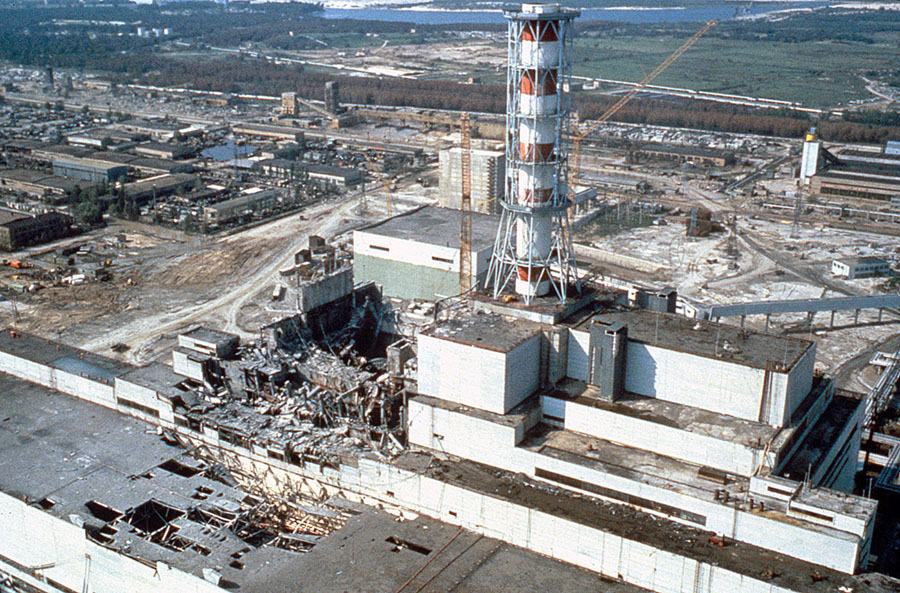
The disturbance is not limited to noise. The construction of trenches and bunkers in contaminated soils has potentially mobilized radioactive isotopes that were previously sequestered in the forest floor. Scientists expressed concern that the aerosolization of these particles could affect not only the local ecosystem but also the health of wildlife that ingest or inhale contaminated dust, as detailed by the State Agency of Ukraine on Exclusion Zone Management.
Long-term Ecological Monitoring Challenges
Before the 2022 invasion, the CEZ was monitored through a network of remote motion-activated cameras and satellite telemetry. Much of this equipment was damaged, looted, or rendered inaccessible during the initial months of the conflict. The loss of this data has created a “blind spot” in the longitudinal study of how radiation affects animal longevity and reproduction, according to research published in BioScience.
.jpg "Long-term Ecological Monitoring Challenges")
Ecologists are currently working to re-establish monitoring stations, but the presence of landmines and unexploded ordnance remains a significant obstacle. The United Nations Development Programme (UNDP) has emphasized that landmine clearance is a prerequisite for both human safety and the resumption of biological research within the zone. Until these areas are cleared, the full extent of the impact on apex predators, which are particularly susceptible to bioaccumulation of radionuclides, remains difficult to quantify.
Adapting to a Human-Modified Environment
Wildlife in Chernobyl has historically demonstrated a high degree of resilience, suggesting that the current behavioral shifts may be temporary. Research has previously shown that many species in the zone prioritize the lack of human hunting and urbanization over the risks posed by low-level ionizing radiation. However, the current conflict introduces a type of human pressure that is fundamentally different from the controlled presence of researchers.
The behavior of larger mammals, such as the brown bear, has been observed to change in response to the presence of large groups of people, with some individuals shifting their territory to more remote, less accessible sectors of the zone. This displacement forces animals into suboptimal habitats, potentially increasing competition for food resources. As noted by the Scientific Reports archives, the ecological stability of the CEZ is fragile and depends on the maintenance of the exclusion perimeter.
Next Steps for Research
The scientific community is currently awaiting safe access to the most heavily impacted sectors of the zone to conduct soil sampling and animal population surveys. The International Atomic Energy Agency continues to provide updates on the radiological status of the zone, which serves as a baseline for all biological research conducted in the region. Further investigations are scheduled to commence as demining operations progress, with preliminary findings expected in late 2024 or 2025.

Readers interested in the ongoing ecological recovery of the region can monitor official updates from the State Agency of Ukraine on Exclusion Zone Management. We invite our readers to share their thoughts and follow our continued coverage of this evolving environmental situation.
Worth a look