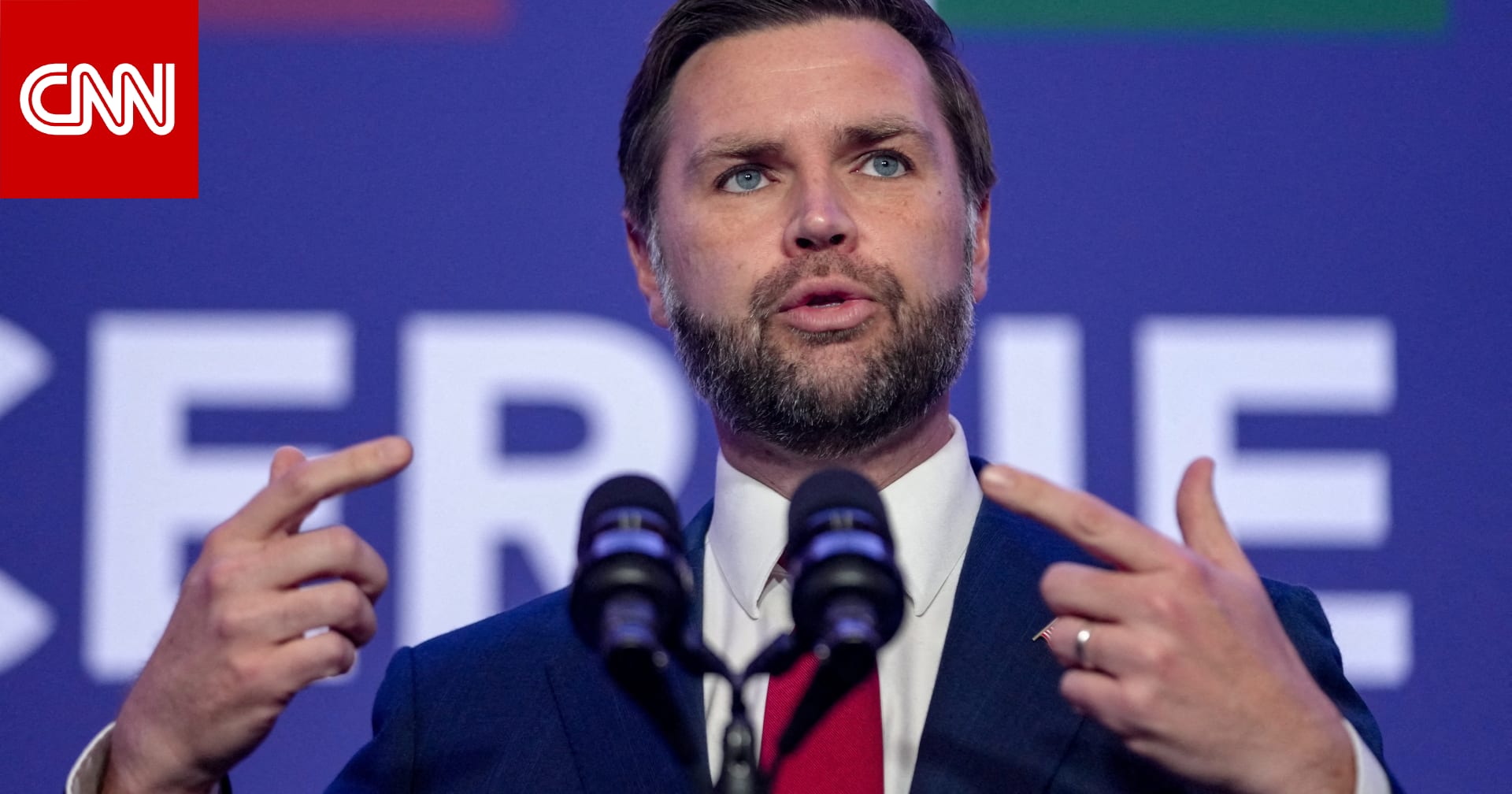
Geneva, Switzerland — Iran has agreed to permit inspectors from the International Atomic Energy Agency (IAEA) to return to the country, a development described by U.S. Vice President Kamala Harris as a “significant step” in nuclear diplomacy. The agreement, reached during closed-door talks in Switzerland, comes as tensions in the Strait of Hormuz remain high, with Tehran warning of potential disruptions to global oil flows. Officials from both sides have framed the move as part of broader efforts to revive the 2015 nuclear deal, known as the Joint Comprehensive Plan of Action (JCPOA), though key details—including timelines for inspections and potential sanctions relief—remain under negotiation.
The IAEA’s return to Iran follows months of strained relations, during which Tehran had restricted access to nuclear facilities and increased uranium enrichment activities. The agency’s inspectors, who had been barred since 2022, will now resume monitoring under a framework agreed upon during indirect talks facilitated by Switzerland, a neutral host for such discussions. According to diplomatic sources familiar with the negotiations, Iran’s decision to reopen its doors to inspectors is contingent on reciprocal steps from Western powers, including the lifting of certain sanctions and guarantees against future restrictions.
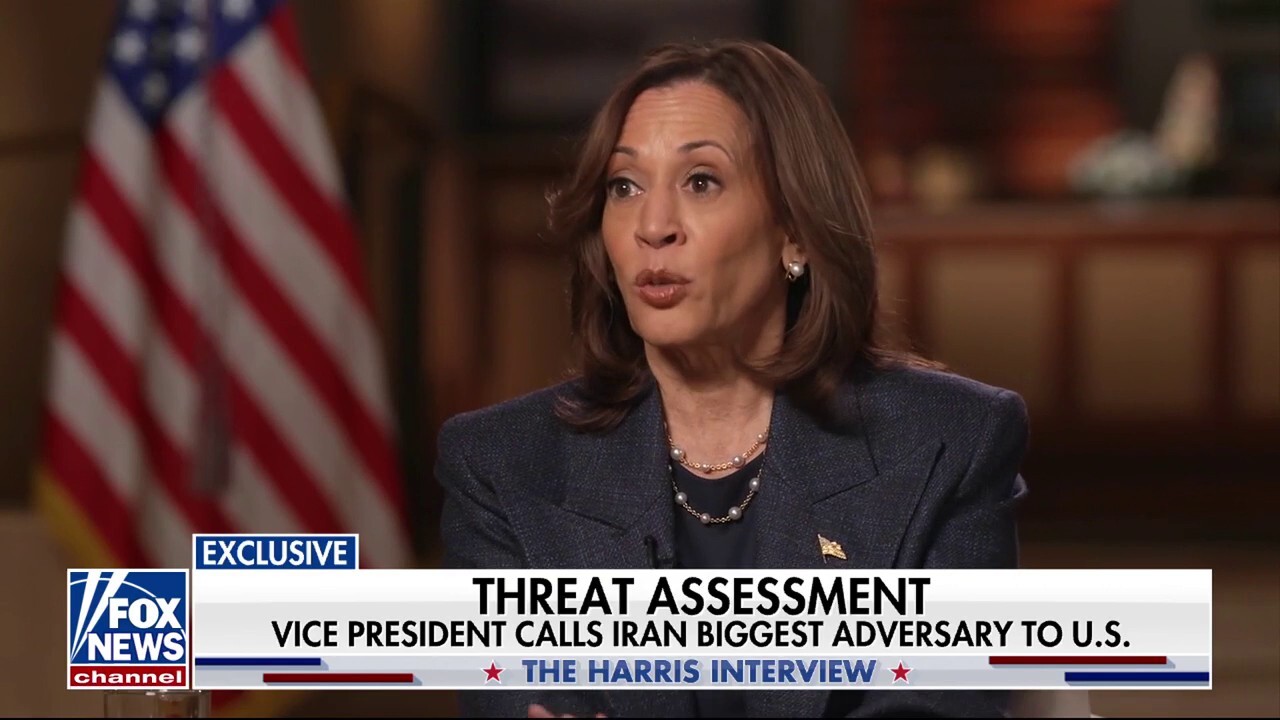
Vice President Harris, speaking to reporters in Washington, D.C., on Tuesday, emphasized that the U.S. seeks to “reopen a direct channel” with Iran while addressing concerns over its nuclear program. “This is not about trust—it’s about verification,” Harris said. “The IAEA’s role is critical in ensuring that Iran’s nuclear activities remain peaceful. We welcome this development and are prepared to engage in good faith.” The White House has not yet confirmed whether the U.S. will suspend any sanctions in response, though officials have indicated a willingness to discuss “mutually beneficial” measures.
Meanwhile, Iran’s Foreign Ministry spokesperson, Nasser Kanani, stated in a press briefing that the agreement to allow IAEA inspections was a “positive response” to international demands but stressed that “the ball is now in the other camp’s court.” Kanani did not specify which sanctions Iran expects to be lifted but noted that “economic pressures have not yielded the desired results in our nuclear negotiations.” The ministry’s remarks align with Iran’s long-standing position that sanctions relief must precede deeper concessions on its nuclear program.
Why This Matters: The Strait of Hormuz and Global Oil Markets
The timing of the IAEA’s return coincides with heightened tensions in the Strait of Hormuz, a critical chokepoint for global oil shipments. In recent weeks, Iran has accused Western powers of “provocative” military maneuvers in the region, while U.S. and allied naval forces have warned of “unusual activity” by Iranian-backed groups. The U.S. Fifth Fleet, based in Bahrain, reported a 40% increase in maritime traffic monitoring in the strait over the past month, according to a statement released last week.

Reuters cited unnamed diplomatic sources suggesting that Iran’s decision to allow IAEA inspectors may be linked to pressure from regional allies, including China and Russia, who have urged Tehran to de-escalate tensions. The move could also signal Iran’s intent to avoid further isolation ahead of a potential U.S. presidential election in November, where Iran policy is likely to be a key issue.
For global oil markets, the development carries mixed implications. While the IAEA’s return may ease some geopolitical risks, analysts at Bloomberg note that prices remain volatile due to persistent uncertainties. “The market is reacting more to the Strait of Hormuz than to the nuclear talks,” said a senior trader at a major European bank. “Until we see concrete steps on sanctions, the premium on Middle East crude will stay elevated.”
What Happens Next: The JCPOA and the Road Ahead
The IAEA’s return to Iran does not automatically revive the JCPOA, which was abandoned by the U.S. under former President Donald Trump in 2018. Negotiators must now address three critical questions:
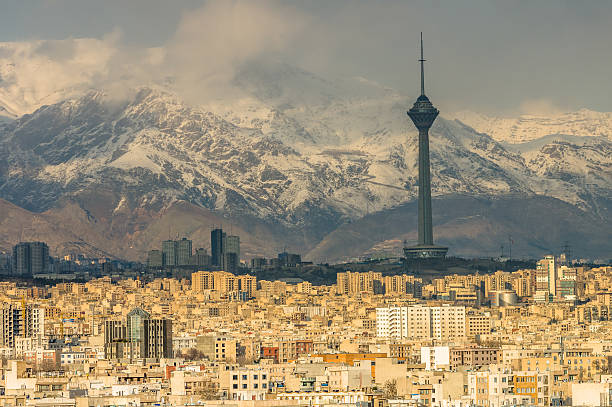
- Sanctions relief: The U.S. has not yet indicated which sanctions it would lift in exchange for Iran’s concessions. Under the original JCPOA, sanctions on Iran’s central bank, oil exports, and ballistic missile programs were suspended. The Biden administration has faced internal divisions over whether to reimpose some restrictions, particularly those related to Iran’s regional proxies.
- Inspection protocols: The IAEA will need to verify Iran’s compliance with its nuclear obligations, including limits on uranium enrichment and stockpiles. Tehran has previously accused the agency of bias, particularly after a 2021 report suggested traces of uranium at undeclared sites. The IAEA’s director general, Rafael Grossi, has stated that “full transparency” is essential for rebuilding trust.
- Regional security: Any deal must address U.S. concerns over Iran’s support for groups like Hezbollah and the Houthis in Yemen. The Biden administration has linked sanctions relief to Iran’s reduction of such activities, though Tehran has dismissed these demands as non-negotiable.
Diplomatic sources indicate that the next round of talks could be held in Vienna, a traditional venue for nuclear negotiations, as early as June. However, progress hinges on whether Iran and the U.S. can bridge their differences over sanctions and regional issues. “This is a fragile moment,” said a European diplomat involved in the talks. “Both sides are testing the other’s willingness to compromise, but the clock is ticking.”
How This Compares: Iran’s Nuclear Program Over Time
The current diplomatic push follows a decades-long standoff over Iran’s nuclear ambitions. Below is a timeline of key developments:
| Year | Event | Outcome |
|---|---|---|
| 2003 | Iran admits to a secret uranium enrichment program | IAEA inspectors first visit Iranian nuclear sites; suspicions of military dimensions arise |
| 2015 | JCPOA signed in Vienna | Iran agrees to limits on enrichment; sanctions lifted in exchange |
| 2018 | U.S. withdraws from JCPOA under Trump | Reimposition of sanctions; Iran resumes enrichment activities |
| 2020 | Assassination of Iranian nuclear scientist Mohsen Fakhrizadeh | Iran suspends some cooperation with IAEA; tensions escalate |
| 2022 | IAEA inspectors barred from key Iranian sites | Iran restricts access; uranium enrichment exceeds JCPOA limits |
| 2024 | IAEA inspectors allowed back into Iran | Potential path to revive JCPOA, but major hurdles remain |
The table above highlights how the current negotiations represent a rare opportunity for diplomacy after years of deadlock. However, as The Financial Times observes, past attempts to revive the JCPOA have faltered over secondary issues like missile programs and regional influence. “The real test will be whether this time is different,” said a senior State Department official.
Who Benefits—and Who Loses?
The IAEA’s return to Iran could have far-reaching consequences for multiple stakeholders:
- Iran: Potential sanctions relief could ease economic pressures, but hardliners in Tehran may resist concessions seen as weakening national sovereignty. President Ebrahim Raisi’s government faces domestic criticism over past nuclear negotiations.
- United States: The Biden administration seeks to avoid a regional conflict but must balance hawkish factions in Congress and Israel, which opposes any deal with Iran.
- Global oil markets: Reduced tensions in the Strait of Hormuz could lower premiums on Middle East crude, but any disruption—such as an attack on shipping—could trigger spikes.
- Israel: Jerusalem has repeatedly warned that Iran’s nuclear program poses an “existential threat” and may push for military options if diplomacy fails.
- China and Russia: Both countries have invested heavily in Iran’s economy and may use the negotiations to expand their influence in the region.
For ordinary Iranians, the outcome of the talks could determine economic stability. Sanctions have crippled the country’s economy, with inflation exceeding 40% and unemployment near 10%. “We just want the sanctions to end so we can rebuild our lives,” said Parisa, a Tehran-based economist who requested anonymity. “But we also fear that any deal will only bring more problems.”
What’s Next: Key Checkpoints and Deadlines
The next critical phase in the negotiations will focus on three immediate milestones:
- IAEA inspections: Inspectors are expected to resume monitoring at Iran’s Natanz and Fordow facilities within the next 7–10 days, according to the IAEA. Grossi has stated that “rapid progress” is needed to avoid further delays.
- Sanctions working group: The U.S. and Iran are set to hold technical talks in Geneva on May 28 to discuss which sanctions could be suspended. The White House has not ruled out partial relief, but officials have warned that “no deal is better than a bad deal.”
- Regional security guarantees: Iran has demanded written assurances that the U.S. will not repeat its 2018 withdrawal from the JCPOA. The Biden administration is reportedly considering a “non-aggression pact” as a confidence-building measure.
The European Union’s foreign policy chief, Josep Borrell, has urged all parties to “seize this moment” before the U.S. presidential election in November. “Time is not on anyone’s side,” Borrell said in a statement. “We must avoid a return to the brinkmanship of the past.”
For readers seeking official updates, the IAEA provides real-time statements on its news portal, while the U.S. State Department’s Iran policy page includes the latest diplomatic communications. Iran’s Foreign Ministry releases updates via its official website.
As negotiations proceed, one question looms: Can Iran and the U.S. overcome decades of mistrust to forge a lasting agreement? The answer may hinge on whether both sides are willing to make painful compromises—or if the Strait of Hormuz becomes the next flashpoint.
We welcome your insights and questions on this developing story. Share your thoughts in the comments below or on our social media channels.