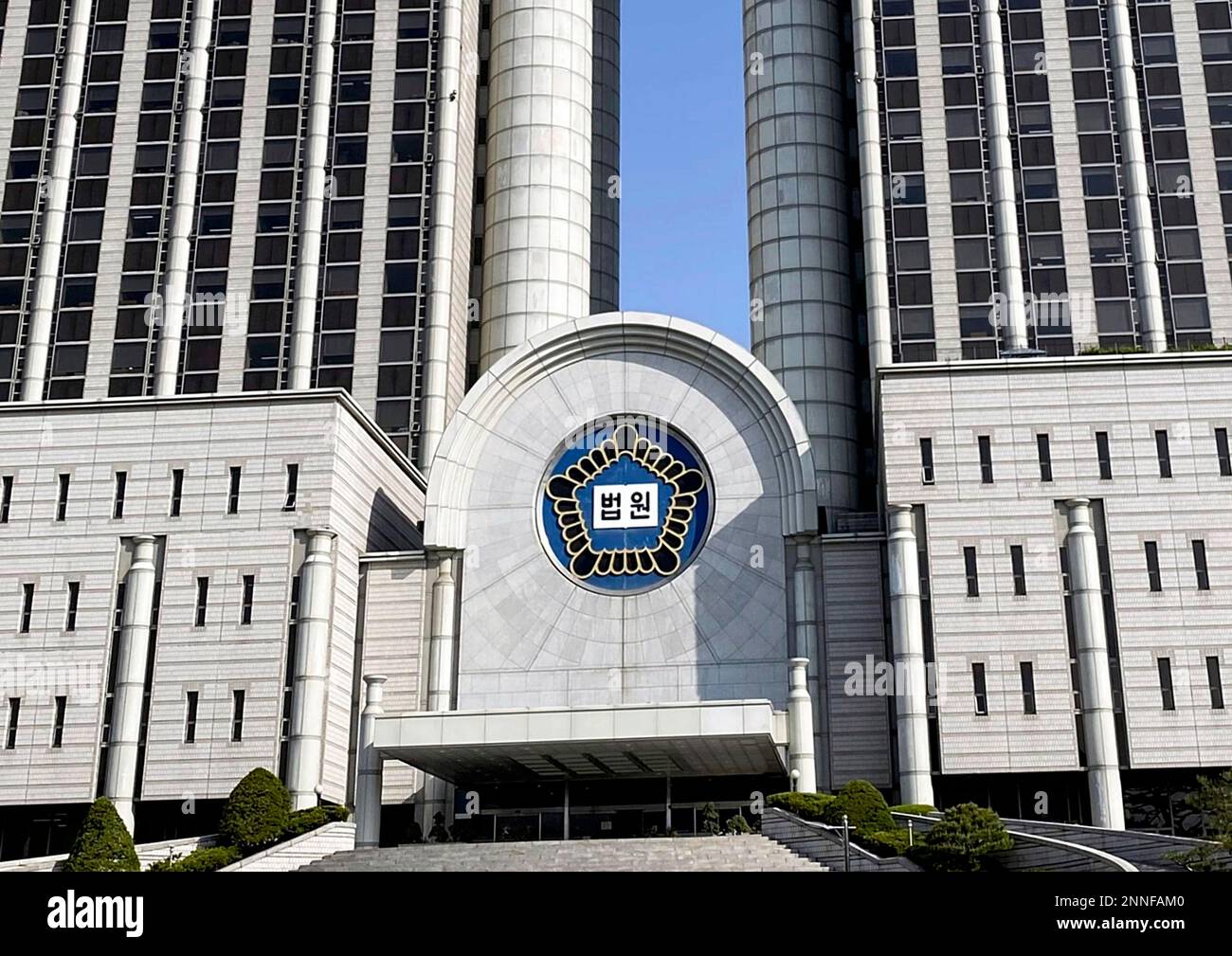
Homeplus, South Korea’s largest retail chain, officially entered liquidation proceedings on June 28 after failing to secure a critical 2 trillion won ($1.5 billion) debt restructuring deal with creditors, according to the Seoul Central District Court. The collapse—leaving 14,000 employees jobless and 1,500 stores shuttered—has sent shockwaves through South Korea’s retail sector, raising fears of a domino effect on suppliers, local governments, and even the broader economy. With the Financial Supervisory Service (FSS) accelerating sanctions against MBK Partners, the conglomerate behind Homeplus, and creditors demanding immediate repayment, the question now is whether the government will intervene before the situation spirals further.
The liquidation follows months of failed negotiations, where Homeplus sought a Debtor-In-Possession (DIP) financing package worth 200 billion won ($150 million) from Meritz Bank, only to see creditors reject the terms. The retailer’s parent company, MBK Partners, has already seen its chairman, Kim Byung-joo—a billionaire with a net worth of $14 billion—facing potential sanctions from the FSS as early as July 5, with regulators citing “gross mismanagement” of Homeplus’ finances.
For thousands of South Koreans, the closure is a personal disaster. Employees who relied on Homeplus for decades now face unemployment benefits that may not cover their mortgages, while suppliers—many of whom are small businesses—risk being left with unpaid invoices. Local governments, which depend on Homeplus stores for tax revenue, are already scrambling to mitigate the economic fallout. Meanwhile, competitors like Lotte Mart and E-Mart are poised to snap up assets, though analysts warn the retail landscape could remain unstable for years.
Why Did Homeplus Collapse? The 3 Key Factors Behind the Retail Giant’s Downfall
Homeplus’ liquidation stems from a perfect storm of debt overload, failed restructuring, and creditor resistance. Here’s how it happened:
- Debt crisis: Homeplus accumulated over 6 trillion won ($4.5 billion) in debt, much of it tied to aggressive expansion under MBK Partners. By 2023, interest payments alone consumed 40% of its revenue, according to financial disclosures.
- Restructuring failure: The retailer’s last-ditch effort—a 2 trillion won debt-for-equity swap—collapsed when creditors, including Meritz Bank, demanded full repayment instead. “The terms were too favorable to MBK,” said Lee Ji-hoon, a Seoul-based credit analyst at Naver Financial. “They saw it as a bailout.”
- Regulatory pressure: The FSS has accused MBK of transferring assets to affiliated companies to avoid creditor claims, a violation of bankruptcy law. The upcoming sanctions against Kim Byung-joo could further complicate any potential rescue.
What makes this collapse unique is its scale. Homeplus was not just a retailer—it was a pillar of South Korea’s consumption-driven economy, employing one in every 1,500 workers and generating $12 billion in annual revenue. Its failure could trigger a supply chain crisis, with food distributors, logistics firms, and even foreign exporters facing payment defaults.
Who Gets Hurt Most? The Human and Economic Cost of Homeplus’ Collapse
The immediate victims are the 14,000 employees who will lose their jobs, many of whom had no severance savings. The Korean Federation of Trade Unions (KFTU) has warned that unemployment benefits—capped at 60% of wages for up to 24 months—will leave many struggling to pay rent. “This isn’t just a corporate failure; it’s a social crisis,” said KFTU spokesperson Park Min-ji.

Small suppliers are also at risk. Homeplus owed 1.2 trillion won ($900 million) to vendors, many of whom are family-run businesses. The Korea Small and Medium Business Administration (KSMBA) has already launched emergency support funds, but experts warn some suppliers may still go under. “If Homeplus’ vendors collapse, it could trigger a wave of bankruptcies in the food distribution sector,” said Kim Tae-hoon, a professor at Seoul National University’s Business School.
Local governments are bracing for the fallout. Cities like Busan and Incheon, where Homeplus stores are dense, rely on the retailer for 10–15% of their commercial tax revenue. Some mayors have already requested emergency funds from the central government to offset losses.
Can Homeplus Be Saved? The Government’s Dilemma and What Happens Next
The biggest question now is whether South Korea’s government will step in to prevent a wider economic shock. While officials have so far avoided direct bailouts—citing principles of market discipline—pressure is mounting. The Bank of Korea (BOK) has already warned that a prolonged retail crisis could dampen consumer spending, which accounts for 55% of South Korea’s GDP.
Possible rescue paths include:
- Asset sale: Competitors like Lotte Mart and E-Mart are in talks to acquire Homeplus’ stores, but analysts say the valuation will be severely discounted, likely below 1 trillion won ($750 million).
- Government-backed restructuring: Some lawmakers, including Rep. Kim Yong-jong of the ruling People Power Party, have called for a state-led rescue, arguing that Homeplus’ failure could destabilize the entire retail sector.
- Creditor concessions: Meritz Bank and other lenders may eventually agree to a haircut on debts, but only if MBK Partners commits to selling off non-core assets, such as its real estate holdings.
The next critical deadline is July 5, when the FSS is expected to impose sanctions on Kim Byung-joo and MBK Partners. If no resolution is reached by then, Homeplus’ assets could be liquidated within weeks, leaving employees and suppliers with little recourse. “The window for a rescue is closing fast,” said Cho Sung-hoon, a bankruptcy lawyer at Kim & Chang. “Without intervention, this will be the largest retail collapse in South Korean history.”
What This Means for South Korea’s Economy—and Beyond
Homeplus’ liquidation is more than a corporate failure—it’s a test of South Korea’s economic resilience in an era of high debt and slow growth. The collapse raises broader questions about the country’s corporate governance, debt sustainability, and the role of conglomerates like MBK in the economy.
Historically, South Korea has avoided large-scale retail bankruptcies, but this case differs in scale. The last major retail failure, Gimhae Department Store in 2008, involved just 500 employees. Homeplus’ collapse is 28 times larger, with implications for:
- Consumer confidence: If unemployment rises sharply, South Koreans—who already have the lowest savings rate in the OECD—may cut back on spending, hurting growth.
- Supply chain stability: Homeplus sourced 30% of its products from small farms and manufacturers. If these suppliers fail, food prices could rise, adding to inflationary pressures.
- Foreign investor sentiment: The collapse comes as South Korea seeks to attract more foreign capital. A prolonged retail crisis could dent confidence in the country’s economic management.
For now, the focus remains on the July 5 FSS hearing. If regulators impose sanctions on Kim Byung-joo, any potential rescue will hinge on whether MBK can prove it has a viable turnaround plan—or if the government is willing to intervene before the damage becomes irreversible.
Where to Find Updates: Official Sources and Next Steps
Readers seeking the latest developments can track the following:
- Financial Supervisory Service (FSS): Official sanctions announcement (expected July 5)
- Seoul Central District Court: Bankruptcy proceedings updates
- Meritz Bank: Creditor negotiations status
- Korea Small and Medium Business Administration (KSMBA): Supplier support funds
- Ministry of Economy and Finance: Potential government intervention signals
The next confirmed checkpoint is the FSS sanctions hearing on July 5. If you’re a Homeplus employee, supplier, or investor affected by this crisis, we encourage you to share your story—your experience may help shape policy responses. For now, the retail sector remains in limbo, with the fate of 14,000 jobs and 1,500 stores hanging in the balance.
What do you think about Homeplus’ collapse? Will South Korea’s government intervene, or is this the end of an era for the retailer? Share your thoughts in the comments below.
Keep reading