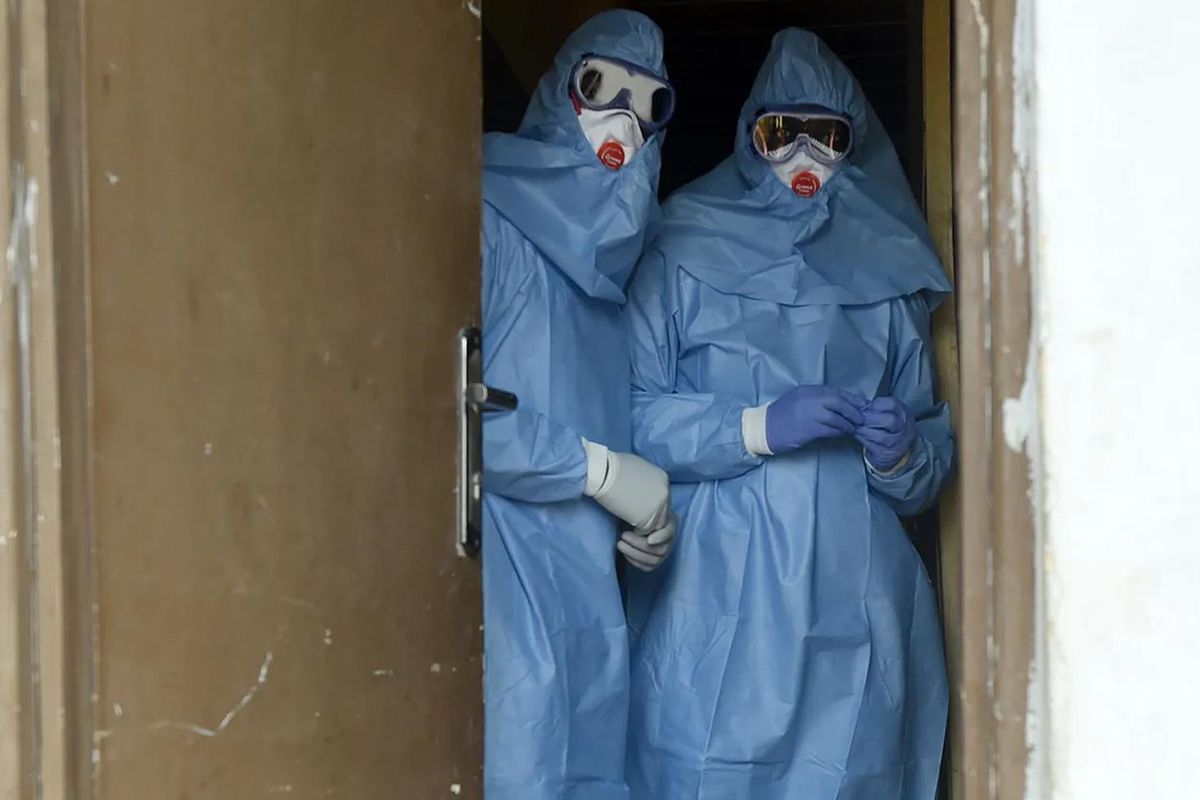
Lassa fever has killed 214 people in Nigeria this year, according to the latest data from the Nigeria Centre for Disease Control (NCDC), marking a sharp rise in the deadly viral hemorrhagic fever outbreak. The disease, transmitted through contact with infected rodents or bodily fluids, has now spread to 19 states, prompting emergency responses from both national and international health agencies. The World Health Organization (WHO) has classified the situation as a “public health emergency of national concern,” while global vaccine shortages and limited treatment access further complicate containment efforts.
The NCDC reported 2,126 suspected cases nationwide since January 2024, with 214 confirmed deaths—a fatality rate of approximately 10%, higher than the typical 1–2% seen in previous outbreaks. States like Ondo, Edo, and Bauchi remain hotspots, though Lagos and Abuja have also recorded cases. Health officials warn that the virus’s asymptomatic transmission increases risks during Nigeria’s rainy season, when rodent populations surge.
Dr. Chikwe Ihekweazu, former NCDC director-general, told BBC Africa that “the scale of this outbreak is unprecedented,” citing delays in diagnosis due to limited testing capacity. Meanwhile, the WHO’s Africa regional office has deployed rapid response teams to support Nigeria’s health ministry, though experts stress that no approved vaccine exists, leaving ribavirin—the sole treatment—as critically scarce in affected regions.
Why Is This Outbreak Worse Than Previous Years?
Multiple factors distinguish 2024’s Lassa fever surge from past epidemics. First, the virus’s geographic expansion—now detected in 19 states compared to 12 in 2023—suggests broader rodent reservoir activity. Second, underfunded health systems in northern Nigeria, where cases are concentrated, face laboratory shortages, delaying confirmations by weeks.
Dr. Matshidiso Moeti, WHO Regional Director for Africa, emphasized in a May 24 statement that “cross-border movement” poses risks to Benin, Togo, and Ghana, where Lassa fever has historically been endemic. The NCDC’s May 20 update noted a 40% increase in suspected cases compared to the same period in 2023.
How Are Authorities Responding?
Nigeria’s health ministry has activated emergency protocols, including:
- Enhanced surveillance: Mobile testing units deployed to rural areas, where 70% of cases originate.
- Public awareness campaigns: Radio and SMS alerts in local languages, though literacy rates below 60% in some regions limit effectiveness.
- International aid coordination: The WHO has shipped 50,000 doses of ribavirin (enough for ~1,000 patients) and trained 200 healthcare workers in infection control.

Yet challenges persist. A May 2024 UN Office for the Coordination of Humanitarian Affairs (OCHA) report highlighted that only 30% of Nigeria’s 1,200 primary healthcare centers have Lassa fever diagnostic capacity. “We’re treating symptoms, not the virus,” said Dr. Ayoade Alakija, president of the Nigerian Medical Association, during a May 15 press briefing.
What Happens Next?
The NCDC has scheduled a June 10 emergency meeting with state governors to review containment strategies. Meanwhile, the WHO’s Africa office is pushing for:
- A pan-African vaccine trial, with Nigeria as the lead site, targeting a candidate developed by Texas Children’s Hospital Center for Vaccine Development.
- Expanded cross-border surveillance with Benin and Togo, where cases have been detected near Nigerian borders.
- Funding appeals to the Global Outbreak Alert and Response Network (GOARN) for additional ribavirin stocks.
Locally, Ondo State’s government has declared a state of emergency, closing markets in high-risk zones and distributing rodent repellents. However, skepticism remains among rural communities, where traditional beliefs about the disease’s origins—often linking it to “bad air” or curses—hinder preventive measures.
Key Takeaways: What You Need to Know
For travelers and residents in affected regions, the NCDC advises:
- Avoid contact with rodents: Store food in sealed containers and clean living spaces regularly.
- Practice strict hygiene: Wash hands frequently with soap and disinfect surfaces.
- Seek immediate care: Fever, muscle pain, or bleeding should prompt testing at designated centers.

For policymakers, the outbreak underscores gaps in Nigeria’s health security framework, particularly in rural areas. “This isn’t just a Nigerian problem,” said Dr. John Nkengasong, director of the Africa CDC, during a May 22 briefing. “We need regional stockpiles of diagnostics and treatments.”
Where to Find Official Updates
For real-time information:
- Nigeria Centre for Disease Control (NCDC) – Daily case reports and advisories.
- WHO Africa Outbreak Dashboard – Regional spread tracking.
- UN OCHA Nigeria – Humanitarian response updates.
The next critical checkpoint is the June 10 NCDC governors’ meeting, where funding allocations for the outbreak will be finalized. In the meantime, health experts urge vigilance, noting that Lassa fever’s incubation period of 6–21 days means new cases may still emerge.
Have questions about Lassa fever risks or prevention? Share your concerns in the comments below—or tag @WHOAFRO for official guidance.
- Uganda to Discharge Last Ebola Patient, Government Spokesperson Announces
- Children’s Hygiene and Hair Care Products Surge: Growth Exceeds 35%
- Austin 7-Day Weather Forecast: Camp Mabry Updates (news-usa.today)
- Former smokers who vape face higher lung cancer and death risks, study finds (archyworldys.com)