
Thousands of Britons are leaving the UK for lower living costs, with destinations like Spain, Portugal, and the Caribbean seeing surges in expat communities. According to the Office for National Statistics (ONS), net migration to non-EU countries hit a record 330,000 in 2023, driven by soaring housing prices, stagnant wages, and energy bills that have outpaced inflation for years. The trend shows no signs of slowing, with experts warning of long-term demographic and economic consequences for the UK.
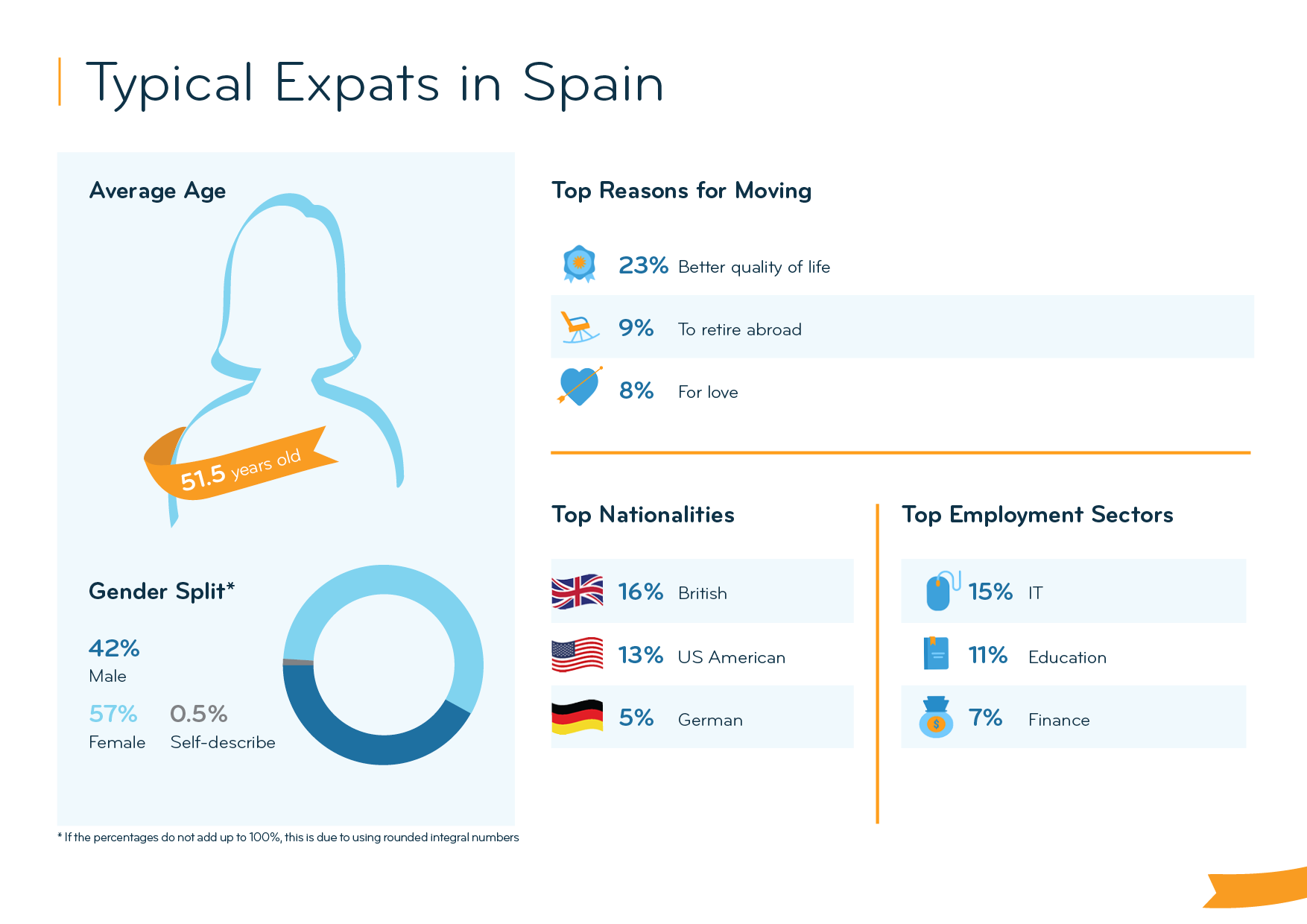
Economic pressure is the primary driver, but lifestyle factors—including healthcare access, work-life balance, and cultural shifts—are also reshaping migration patterns. While some move for work, others, like Ebony Joseph, cite a broader disillusionment with the UK’s future. Joseph, who relocated from Essex to Saint Lucia in 2023, told The Guardian that “the cost of living made it impossible to save, let alone plan for retirement.” Her story reflects a growing trend: between 2022 and 2023, the number of Britons registering as expats in Spain alone rose by 15%, according to Spain’s Ministry of Foreign Affairs.
This exodus isn’t just about individuals—it’s a structural shift with ripple effects. The UK’s labor market is already feeling the strain, with sectors like healthcare and hospitality reporting shortages as skilled workers leave. Meanwhile, countries like Portugal and Malta have actively courted British retirees and remote workers with tax incentives and residency programs. The question now is whether this migration will ease domestic pressures—or accelerate them by reducing the tax base and skilled workforce.
Why Are Britons Leaving?
The UK’s cost-of-living crisis is the most immediate catalyst, but underlying factors—including Brexit’s economic fallout and a housing market crisis—have created a perfect storm. According to the Resolution Foundation, a UK think tank, real wages have fallen by 15% since 2008 when adjusted for inflation, while house prices have risen by 80% in the same period. For younger generations, homeownership is increasingly unattainable, and renters face a choice: stretch budgets to stay or seek cheaper alternatives abroad.

Data from the Bank of England shows that mortgage rates have exceeded 5% for the first time in 15 years, pushing many homeowners into negative equity. Meanwhile, energy bills remain volatile, with the average UK household spending £2,500 annually on utilities—a figure that has doubled since 2020, according to BoE reports. “It’s not just about money—it’s about dignity,” said Sarah Collins, a 38-year-old teacher who moved to Valencia, Spain, last year. “You work hard, but you can’t afford to live where you grew up.”
Brexit has also played a role, complicating residency and work rights for EU citizens while making the UK less attractive to global talent. The Home Office’s latest figures show that EU net migration to the UK fell by 22% in 2023, while non-EU migration surged. This shift has left some industries—particularly tech and healthcare—scrambling to fill gaps left by departing workers.
Where Are They Going?
Spain, Portugal, and France remain the top destinations for British expats, but newer hotspots—like Malta, Greece, and even Caribbean nations—are gaining traction. The Spanish government’s Golden Visa program, which offers residency to investors, has been particularly popular, with 1,200 new applications from Britons in 2023 alone. Portugal’s D7 Visa, designed for retirees and remote workers, saw a 30% increase in approvals from UK citizens last year, according to Portugal’s Ministry of Internal Affairs.

Saint Lucia, where Joseph now lives, is among the Caribbean’s fastest-growing expat destinations. The island’s Citizenship by Investment Program offers residency in exchange for a $100,000 investment, a fraction of the cost of buying property in the UK. “The quality of life here is unmatched,” Joseph said. “You can afford a villa by the sea for what a London flat would cost in rent.” However, critics warn that such programs can strain local infrastructure and housing markets, as seen in Malta, where property prices have risen by 20% annually since 2020.
For those seeking work, remote-friendly destinations like Estonia, Croatia, and Thailand are also appealing. Estonia’s e-Residency program, which allows non-residents to start and manage businesses online, has attracted thousands of UK entrepreneurs. Meanwhile, Thailand’s LTR Visa, offering long-term stays for remote workers, saw a 400% increase in applications from Europeans in 2023.
What Does This Mean for the UK?
The exodus raises critical questions about the UK’s economic future. A report by the Institute for Fiscal Studies (IFS) warns that mass emigration of skilled workers could reduce GDP growth by 0.5% annually over the next decade. Sectors like nursing, engineering, and IT are already feeling the pinch, with the NHS reporting a shortfall of 40,000 staff in 2023, according to the King’s Fund.
Demographically, the UK is aging faster than many European peers. The ONS projects that by 2030, one in four Britons will be over 65—yet the working-age population is shrinking. This could exacerbate pension and healthcare costs, further straining public finances. “We’re facing a perfect storm of an aging population, a shrinking workforce, and rising living costs,” said Paul Johnson, director of the IFS. “Policies need to address these challenges head-on.”
Some economists argue that emigration could also have benefits, such as reducing housing demand and easing inflationary pressures. However, the long-term impact on tax revenues and economic output remains uncertain. The UK government has yet to introduce targeted policies to retain skilled workers, though recent discussions about a Skilled Worker Visa reform suggest a recognition of the issue.
Who Is Most Affected?
Young professionals and retirees are the hardest-hit groups. For millennials, the dream of homeownership is fading: in London, the average first-time buyer now requires a £150,000 deposit, according to Rightmove. Meanwhile, retirees are being forced to downsize or relocate entirely. The number of Britons claiming pensions abroad rose by 25% in 2023, with Spain and Portugal leading as destinations.
Lower-income families are also migrating, though their options are more limited. Cities like Manchester and Birmingham have seen increased emigration to Eastern Europe, where living costs are significantly lower. However, language barriers and cultural differences often make integration difficult. “It’s not just about money—it’s about community,” said Maria Rodriguez, a social worker who moved from London to Poland. “You need support networks, and that’s harder to find when you’re starting over.”
What Happens Next?
The UK government has signaled some policy shifts to address migration pressures. In March 2024, the Chancellor announced a Housing Affordability Fund aimed at increasing social housing stock by 100,000 units over the next five years. Additionally, discussions are underway to reform the Skilled Worker Visa to make it easier for professionals to switch jobs without losing residency status.
However, critics argue that these measures are too little, too late. The Labour Party has called for a Cost-of-Living Commission to investigate long-term solutions, while opposition parties demand stricter rent controls and wage growth tied to inflation. Meanwhile, expat communities continue to grow, with platforms like Internations reporting a 40% increase in British memberships in 2023.
The next major checkpoint will be the ONS’s 2024 Migration Statistics, due in September, which will provide updated figures on net migration and its economic impact. The UK’s Autumn Budget 2024, expected in October, will also offer clues about whether the government plans to introduce further incentives to retain workers or ease pressures on the housing market.
Key Takeaways
- Economic pressure is the primary driver: Soaring housing costs, stagnant wages, and energy bills are pushing Britons abroad.
- Spain and Portugal lead as destinations, but Caribbean and Eastern European countries are gaining popularity.
- Skilled worker shortages are worsening, particularly in healthcare and tech, as emigration accelerates.
- Demographic shifts could strain public finances, with an aging population and shrinking workforce.
- Policy responses remain limited, though housing and visa reforms are under discussion.
This trend is more than a personal choice—it’s a reflection of deeper economic and social challenges. As living costs continue to rise, the question is no longer if more Britons will leave, but where and what it will mean for the UK’s future.
Have you considered relocating due to the cost-of-living crisis? Share your experiences in the comments below.
Worth a look