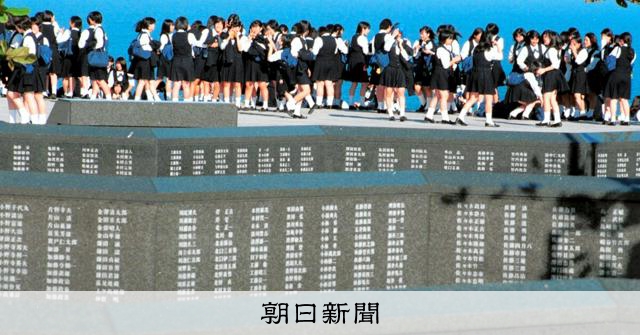
The recent capsize of a boat off the coast of Henoko in Nago, Okinawa, which resulted in the deaths of two students from Doshisha International High School, has triggered a contentious public debate regarding the role and content of peace education in Japan. Following the incident, social media platforms, particularly X (formerly Twitter), have seen a surge in posts questioning whether current school curricula regarding Okinawa’s history and the presence of U.S. military bases have become overly politicized, according to reports from the Asahi Shimbun.
The tragedy occurred during a school trip, leading to intense scrutiny of how educational institutions manage field studies in regions with complex historical and geopolitical sensitivities. As the investigation into the circumstances of the accident continues, the discourse online has shifted toward the broader pedagogical approach used in “peace learning” programs, with critics and supporters debating whether these programs provide a balanced historical perspective or serve as vehicles for specific political agendas.
The Henoko Incident and Institutional Oversight
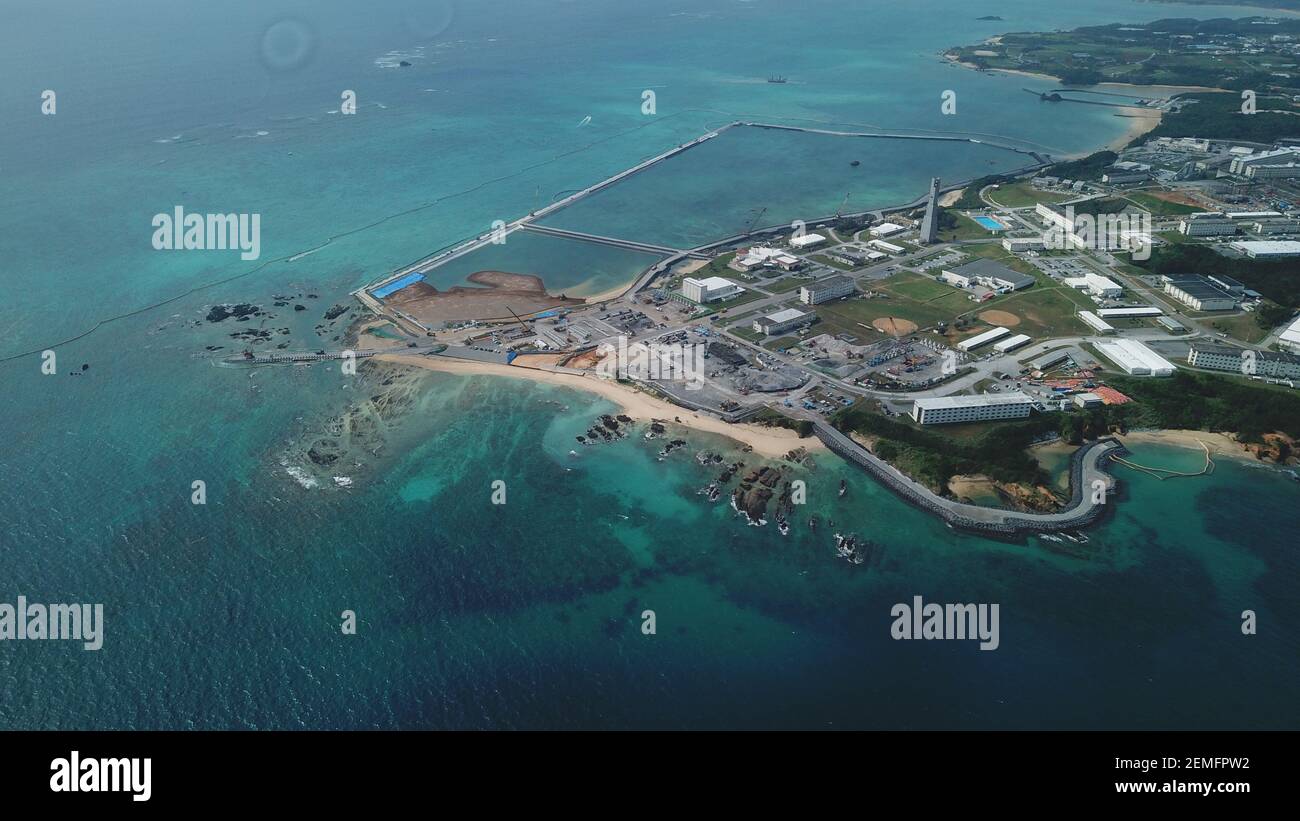
On the morning of March 27, 2024, a canoe being used by students during a school-led marine activity capsized off the Henoko coast, an area frequently associated with protests against the relocation of the U.S. Marine Corps Air Station Futenma. The two students, both 17 years old, were pulled from the water but were later confirmed dead, as reported by NHK World-Japan. The incident has prompted the Ministry of Education, Culture, Sports, Science and Technology (MEXT) to review safety guidelines for school-sponsored outdoor activities.
While the immediate focus remains on the safety protocols and the circumstances of the capsizing, the location of the accident has made it a flashpoint for political commentary. Because the Henoko area is the site of an ongoing, decades-long dispute over the construction of a new military facility, the presence of students in the area for a “peace study” tour invited immediate reaction on social media. Many users have questioned the necessity of taking students to sites of active political protest, while others argue that witnessing the intersection of history and modern policy is a fundamental component of civic education.
Analyzing the Surge in Social Media Discourse
The digital reaction to the tragedy reflects a deep-seated divide in Japanese society regarding how the legacy of the Battle of Okinawa and the post-war occupation should be taught. Analysis of the activity on X shows that the term “peace education” (平和教育) spiked in frequency following the news of the deaths. According to data monitored by researchers tracking digital sentiment, the discourse shifted rapidly from expressions of condolences to arguments regarding the “political neutrality” of school trips.

The intensity of the debate stems from the perceived “politicization” of the curriculum. Critics of current peace education models, often using the platform to voice concerns, argue that tours to Okinawa are sometimes curated to emphasize anti-base sentiment rather than providing a holistic view of the region’s history. Conversely, educators and proponents of these programs maintain that the reality of life in Okinawa—defined by the proximity of military bases—cannot be separated from the historical context of the island. The Okinawa Prefectural Government has historically supported educational exchanges, viewing them as essential for the next generation to understand the weight of the prefecture’s post-war burden.
The Evolution of Peace Education in Japan
Peace education in Japan has undergone several shifts since the end of the Allied Occupation in 1952. Historically, it has focused on the civilian experience during the Battle of Okinawa and the subsequent administration by the United States. However, as the geopolitical landscape in East Asia has evolved, so has the content of these programs. Modern peace studies now frequently incorporate discussions on the U.S.-Japan Security Treaty and the logistics of the base relocation project in Henoko.
The tension lies in the interpretation of the “Fundamental Law of Education,” which mandates that schools remain neutral in political matters. Legal experts note that while schools are expected to avoid proselytizing for specific political parties or movements, the law also requires educators to foster a critical understanding of social issues. The challenge for administrators is determining where “historical study” ends and “political activism” begins, a boundary that remains subjective and highly contested in the public sphere.
Next Steps in the Investigation and Policy Review
The immediate aftermath of the tragedy involves multiple administrative and legal processes. The Nago Police Department is currently investigating the incident for potential professional negligence resulting in death, according to updates provided by the Asahi Shimbun. The school has suspended all related field activities pending a thorough review of their risk management procedures and the educational objectives of their Okinawan tours.
For educators and policymakers, the next checkpoint is the release of the final report from the school’s independent investigation committee, which is expected to address both the safety failures and the broader pedagogical strategy. As the national conversation continues, it remains to be seen whether the government will issue new, more restrictive guidelines regarding the locations and types of activities permitted during school excursions. Readers interested in the progress of the investigation or official safety advisories should monitor the MEXT official portal for forthcoming policy announcements.
We invite our readers to contribute to this discussion by sharing their perspectives on how educational institutions can balance historical inquiry with safety and neutrality in the comments section below.
Keep reading