
The Australian Greens have confirmed they will support the federal government’s proposed changes to negative gearing and capital gains tax concessions, provided the legislation is brought before the Senate in the current sitting fortnight. This alignment between the minor party and the Labor government marks a significant shift in the parliamentary landscape regarding housing policy, as the government seeks to address long-standing affordability challenges in the Australian property market.
According to reports verified by the Parliamentary Education Office, the Senate’s legislative calendar often dictates the velocity of such economic reforms. The Greens’ commitment to facilitate these tax changes aims to influence how investors interact with the housing market, potentially increasing the availability of properties for first-time buyers. While the government maintains that housing prices will continue to grow over the long term, the stated objective of these adjustments is to achieve greater alignment between wage growth and property values.
Policy Shifts in the Australian Senate
The proposed tax changes are part of a broader, ongoing debate about the efficacy of current property investment incentives. Negative gearing, which allows investors to offset losses from their property against their taxable income, has been a central point of contention for years. By signaling support for Labor’s agenda, the Greens are positioning themselves as a key broker in the upper house, where the government does not hold a majority and requires crossbench support to pass contentious legislation.
Economic analysts often note that changes to capital gains tax (CGT) discounts—currently set at 50% for assets held for more than 12 months—could significantly alter investor behavior. The Australian Treasury has previously published research papers discussing the impact of tax expenditures on housing demand. Supporters of the reform argue that reducing these incentives will temper speculative demand, while critics warn that such shifts could inadvertently impact the supply of rental properties, which are heavily reliant on private investment.
Official Commemoration and Public Controversy
In a separate development, Deputy Prime Minister and Minister for Defence Richard Marles has defended the decision to invite Ben Roberts-Smith to the official opening of the revamped Australian War Memorial. Mr. Marles stated that it is appropriate for Victoria Cross recipients to be included in such national events, regardless of subsequent controversies surrounding an individual’s service record.
The Australian War Memorial, currently undergoing a significant expansion, is considered one of the nation’s most significant cultural institutions. The federal government has characterized the opening of the new facility as a “significant moment for the nation,” with the Prime Minister expected to preside over the ceremony. The inclusion of Mr. Roberts-Smith, who was the subject of a high-profile civil defamation trial concerning allegations of war crimes, has drawn public scrutiny; however, the government maintains that the invitation is consistent with the protocols governing recipients of the Victoria Cross.
Paid Parental Leave and Minor Party Stances
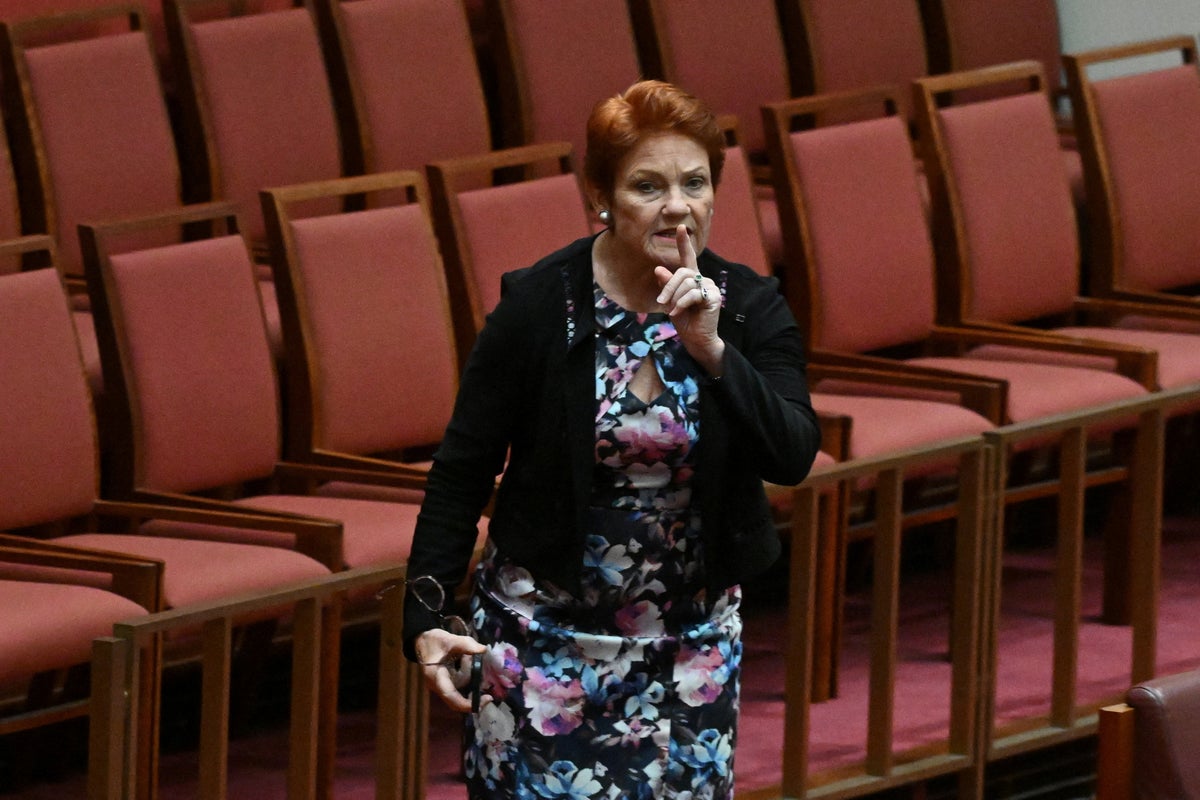
Beyond tax and commemorative issues, the role of minor parties remains a focal point of current legislative discourse. Senator Pauline Hanson, leader of One Nation, has recently articulated her party’s stance on paid parental leave, emphasizing a focus on fiscal responsibility and the impact of such policies on small businesses. Her comments reflect a broader tension within the Senate regarding the expansion of social safety nets during a period of persistent inflation.
As the Senate prepares for the remainder of the sitting fortnight, the interplay between the government’s legislative priorities and the specific demands of crossbench senators will likely determine the success of the proposed tax reforms. The Parliament of Australia provides live updates on daily proceedings, where citizens can track the introduction of bills and the status of ongoing inquiries.
The next major checkpoint for these developments will be the upcoming Senate session, where the government is expected to formally table its tax reform package. Readers are encouraged to monitor official parliamentary records for the most accurate and up-to-date information regarding these legislative movements. We welcome your perspective on these policy changes in the comments section below.
Keep reading