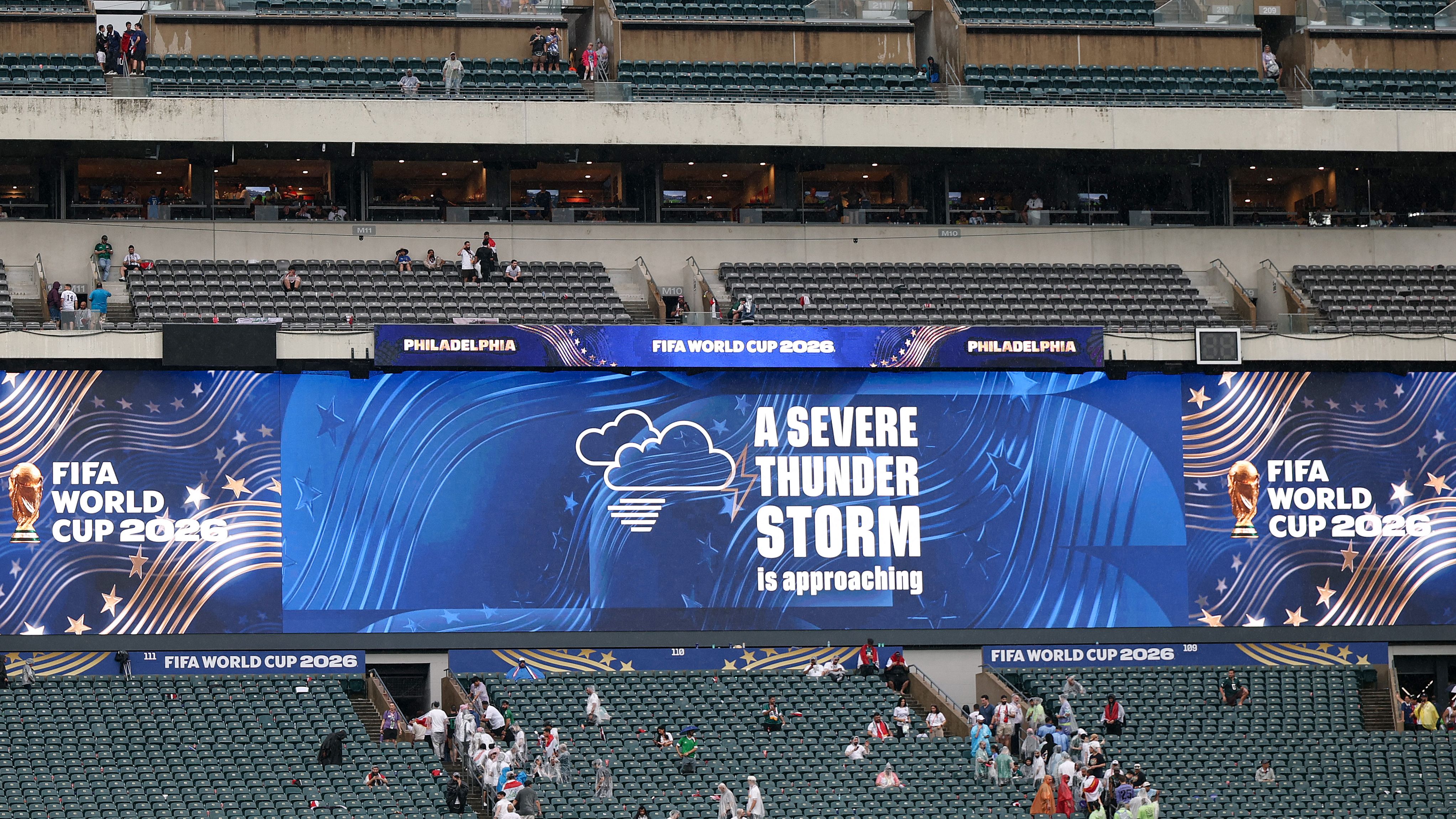
The suspension of the France-Iraq match due to severe weather alerts has activated FIFA’s established emergency protocols designed to manage extreme environmental conditions during international competition. The decision to halt play involves a coordinated response between match officials, medical staff, and stadium authorities to mitigate risks to player health and spectator safety.
Under the FIFA Laws of the Game, the referee holds the ultimate authority to suspend or abandon a match due to any outside interference, including hazardous weather conditions. However, this authority is exercised through a structured consultation process involving the Match Commissioner and the stadium’s designated safety and medical officers.
The Hierarchy of Match Control and Decision-Making
When weather conditions deteriorate, the decision-making process follows a specific chain of command to ensure that no single individual bears the sole responsibility for a high-stakes postponement. According to FIFA’s regulatory framework, the referee is the primary official responsible for the conduct of the game, but they must act in consultation with the Match Commissioner.
The Match Commissioner serves as the official representative of FIFA on-site, ensuring that the tournament’s regulations are strictly followed. In the event of a weather alert, the Commissioner coordinates with the stadium manager to assess the structural safety of the venue and the security of the pitch. This collaboration ensures that the decision to pause play is based on both the immediate playing conditions and the broader safety of the thousands of spectators in attendance.
Simultaneously, the medical officer plays a critical role in assessing the physiological impact of the weather on the athletes. Whether the threat is extreme heat, humidity, or a sudden drop in temperature, the medical officer provides a technical assessment regarding the risk of heatstroke, dehydration, or other weather-related injuries. This medical input is a mandatory component of the consultation process before the referee makes a final ruling on whether to delay or abandon the fixture.
Lightning Safety and Electrical Protocols
One of the most immediate threats during a match suspension is lightning. FIFA and most international football governing bodies follow strict electrical safety protocols to prevent strikes on the pitch or within the stadium. These protocols are typically triggered by lightning detection systems that monitor the proximity of strikes to the venue.

The standard procedure for lightning involves a mandatory waiting period. If lightning is detected within a specific radius—often cited as 8 to 10 kilometers from the stadium—the match is immediately suspended. Players, officials, and coaching staff are required to leave the pitch and move to secure, indoor locations. Spectators are often advised to remain in their seats or move to designated safe zones within the stadium concourse.
The “30-minute rule” is a common benchmark used in professional sports. This rule dictates that play cannot resume until at least 30 minutes have passed since the last recorded lightning strike within the danger zone. This buffer period accounts for the unpredictable nature of storm cells and ensures that the electrical activity has sufficiently dissipated before athletes return to the open field.
Managing Extreme Heat and the WBGT Index
Heat-related illnesses present a different set of challenges, requiring a scientific rather than a purely reactive approach. To manage these risks, officials use the Wet Bulb Globe Temperature (WBGT) index. Unlike a standard thermometer, the WBGT index measures a combination of air temperature, humidity, wind speed, and solar radiation to provide a more accurate assessment of how the human body experiences heat stress.
The WBGT index is used to implement several layers of intervention:
- Hydration Breaks: If the index reaches a certain threshold, the referee may implement mandatory hydration breaks during play to allow players to replenish fluids.
- Cooling Breaks: In cases of extreme heat, FIFA may authorize “cooling breaks” at specific intervals (such as the 30th minute) to allow players to lower their core body temperatures.
- Match Postponement: If the WBGT index exceeds the safety limits established by the tournament’s medical committee, the match may be postponed entirely to prevent widespread heat exhaustion among players.
The use of the WBGT index is vital because high humidity can prevent the body from cooling itself through sweat evaporation, making even moderate temperatures potentially lethal for high-intensity athletes. By monitoring these metrics, officials can make data-driven decisions rather than relying on subjective assessments of the temperature.
Torrential Rain and Pitch Integrity
While lightning and heat are direct threats to life, torrential rain poses a significant threat to the integrity of the game and the physical safety of the players. Heavy rainfall can lead to pitch saturation, which creates several technical and safety issues.
First, water accumulation on the surface can lead to “hydroplaning” for the ball, making predictable movement impossible and degrading the quality of the match. Second, a saturated pitch becomes extremely slippery, significantly increasing the risk of ligament injuries and muscular strains as players struggle to maintain footing during rapid changes of direction.
The decision to suspend play due to rain is often a matter of assessing the pitch’s drainage capacity. Modern stadiums are equipped with advanced sub-surface drainage systems designed to whisk water away from the playing surface. However, if the rate of rainfall exceeds the drainage capacity, the referee must assess whether the surface remains safe for professional competition. If the ball cannot roll or if the pitch becomes a hazard, the match is paused to allow the surface to recover or for the storm to pass.
Rescheduling and Match Resumption Logistics
Once a match is suspended, the focus shifts to the logistical complexity of resumption. The protocol for restarting a match depends heavily on the timing and the reason for the suspension. If the match was suspended in the second half, officials must determine if the game can be completed in its entirety or if it must be rescheduled for a later date.
The following factors influence the resumption plan:
- The Remaining Time: Matches suspended late in the game are more likely to be completed in a single session if the weather clears quickly.
- Broadcasting Rights: Major international tournaments involve complex global broadcasting agreements. Rescheduling requires coordination with media partners to ensure coverage remains viable.
- Player Recovery: If a match is suspended due to extreme heat or physical exhaustion, the medical team must certify that players are fit to resume the contest.
- Tournament Schedule: In a tournament format, the window for rescheduling is narrow, as subsequent matches must follow a strict timeline to avoid cascading delays.
If a match cannot be resumed within a reasonable timeframe, FIFA’s competition regulations dictate how the result will be handled, which may include playing the remaining minutes at a later time or, in extreme cases, declaring a result based on the score at the time of suspension, though the latter is rare in major international competitions.
Comparison of Weather Intervention Protocols
| Weather Threat | Primary Metric | Standard Intervention | Primary Risk |
|---|---|---|---|
| Lightning | Distance/Radar Proximity | Immediate suspension; 30-minute delay | Electrical strike/Safety |
| Extreme Heat | WBGT Index | Hydration/Cooling breaks or postponement | Heatstroke/Dehydration |
| Heavy Rain | Pitch Saturation/Drainage | Temporary pause for drainage | Injury/Pitch integrity |
Frequently Asked Questions
Who makes the final decision to stop a match?
The referee holds the final authority under the FIFA Laws of the Game, but they do so after consulting with the Match Commissioner and the medical officer.
How long does a match stay suspended for lightning?
While specific rules can vary by tournament, the standard protocol is a minimum 30-minute delay after the last lightning strike is detected within the danger radius.
What is the WBGT index?
The Wet Bulb Globe Temperature (WBGT) is a composite index that measures heat, humidity, wind speed, and solar radiation to assess the thermal stress on the human body.
Can a match be rescheduled if it is abandoned?
Yes. If a match is abandoned due to weather, FIFA and the tournament organizers will determine a new time and date based on broadcasting, player safety, and the tournament schedule.
Official updates regarding the resumption of the France-Iraq match are expected following the next technical meeting between the Match Commissioner and the tournament’s weather monitoring team. We will provide further details as they are confirmed.
What are your thoughts on the current weather protocols in international football? Share your views in the comments below and share this article with your network.
Related reading